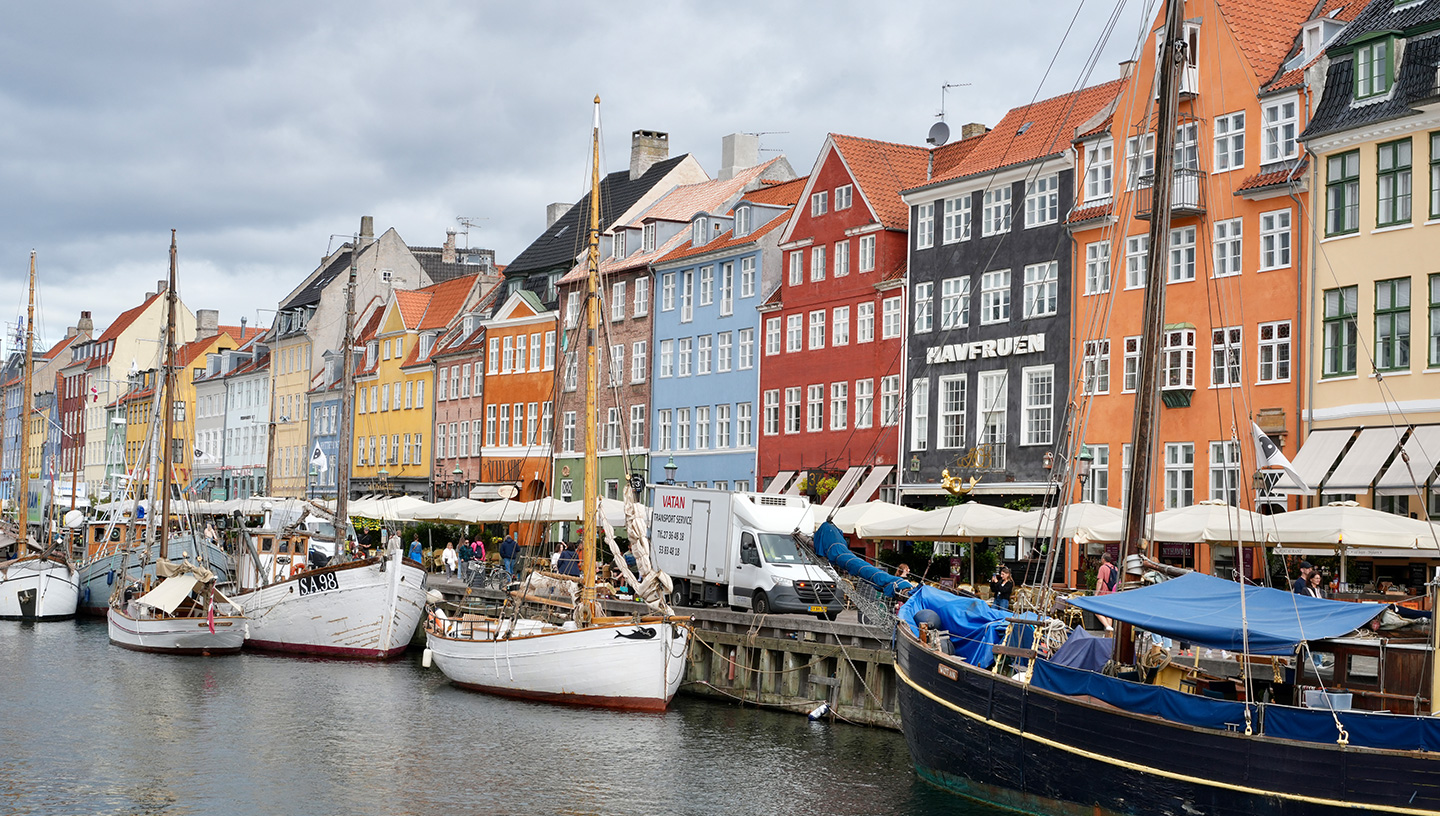
Overview of our trip
Copenhagen brings together so many things we love in a city: contemporary design, independent boutiques, inventive food and some excellent coffee and bakeries. Alongside all of this are the colourful historic buildings of Nyhavn and Magstræde, old royal palaces and a way of life that happens on the water.
We start with places to stay and restaurants worth booking for dinner. The Do section is then organised by area, with the shops, galleries and museums to visit in each, plus somewhere nearby for lunch, coffee or cake. Our 2 day itinerary you could borrow is as follows:
Day 1
Morning: Nyhaven, the archetypal Copenhagen area, with colourful houses along the water. Bike over the bridge to explore the quieter canals of Christianshavn.
Brunch/lunch: Head back to Nyhaven for lunch/brunch at Apollo in the courtyard of the Kunsthal Charlottenborg museum.
Afternoon: Central Design District for an amazing selection of design and interior stores compressed into a small area.
Drinks: Magstræde’s colourful streets, then Ruby cocktail bar.
Dinner: Barr.
Day 2
Morning: Nørrebro Jægersborggade for shops and coffee.
Brunch/lunch: Atelier Septembre, a Copenhagen brunch classic.
Afternoon: Nearby is Nyboder, a set of nearly 400-year-old orange buildings.
Drinks: Onto the island of Refshaleøen, a converted industrial area, with a colourful street-food market and buzzy beer garden.
Dinner: try one of Copenhagen’s finer dining options, like Esse
We also cover the Louisiana Museum of Modern Art, north of the city. Give it most of a day rather than trying to squeeze it into a busy afternoon. You can drive or take the train from Copenhagen.
We have also included a short list of the more classic sights at the end. We did not manage all of them on our latest trip, but they are easy to add if it is your first visit.
Getting around
Copenhagen is compact enough to explore on foot, but a bike makes it much easier to move between neighbourhoods and feels like the natural way to see the city. Shared electric and traditional bikes are available around town through apps including Donkey Republic, Voi and Bolt. Download and register for more than one before travelling, so you have options when you need a bike.
The canals offer a completely different view. GoBoat rents small electric picnic boats that you can steer yourself, with space for drinks and snacks, while Stromma runs guided canal tours past the city’s waterfront landmarks.
Stay
HOTEL SANDERS
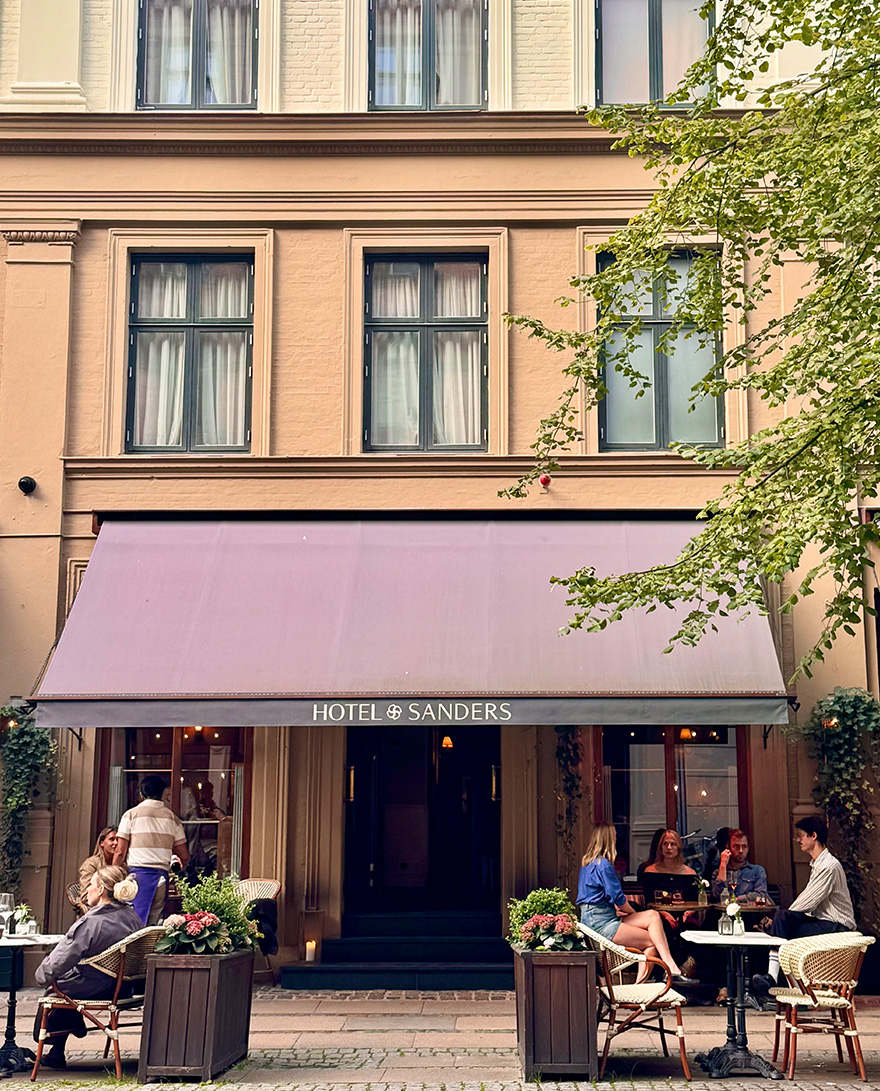
Hotel Sanders sits almost opposite the stage door of the Royal Danish Theatre, a few minutes from Nyhavn and the city centre. Former ballet dancer Alexander Kølpin opened the hotel in 2017, turning three connected 19th-century townhouses into a smart but comfortable city base. It’s the sister hotel to Helenkilde in the Danish Riviera, and it has the same friendly, family-run feel. It’s a great option if you want a boutique hotel with character, excellent service and a central location.
Downstairs, bespoke velvet chairs and carefully chosen antiques give the lobby the atmosphere of a well-designed home, while the staff are efficient but informal and friendly too.
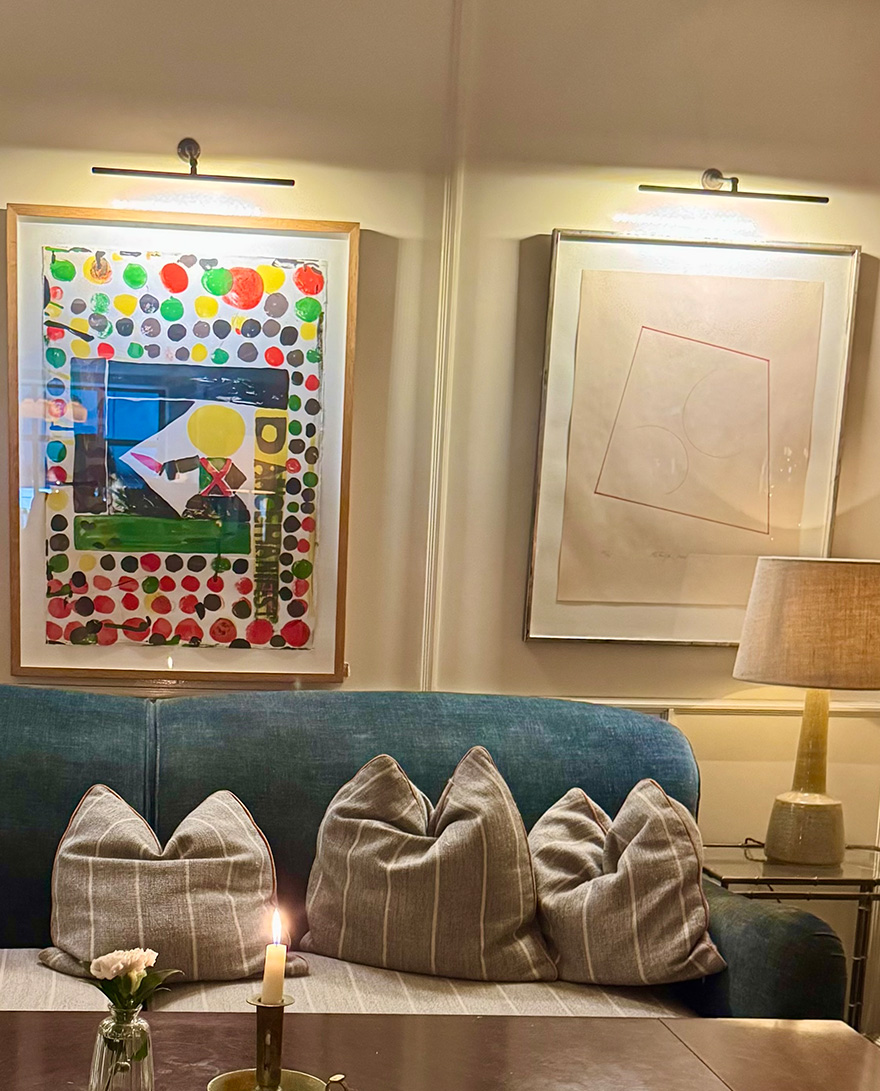
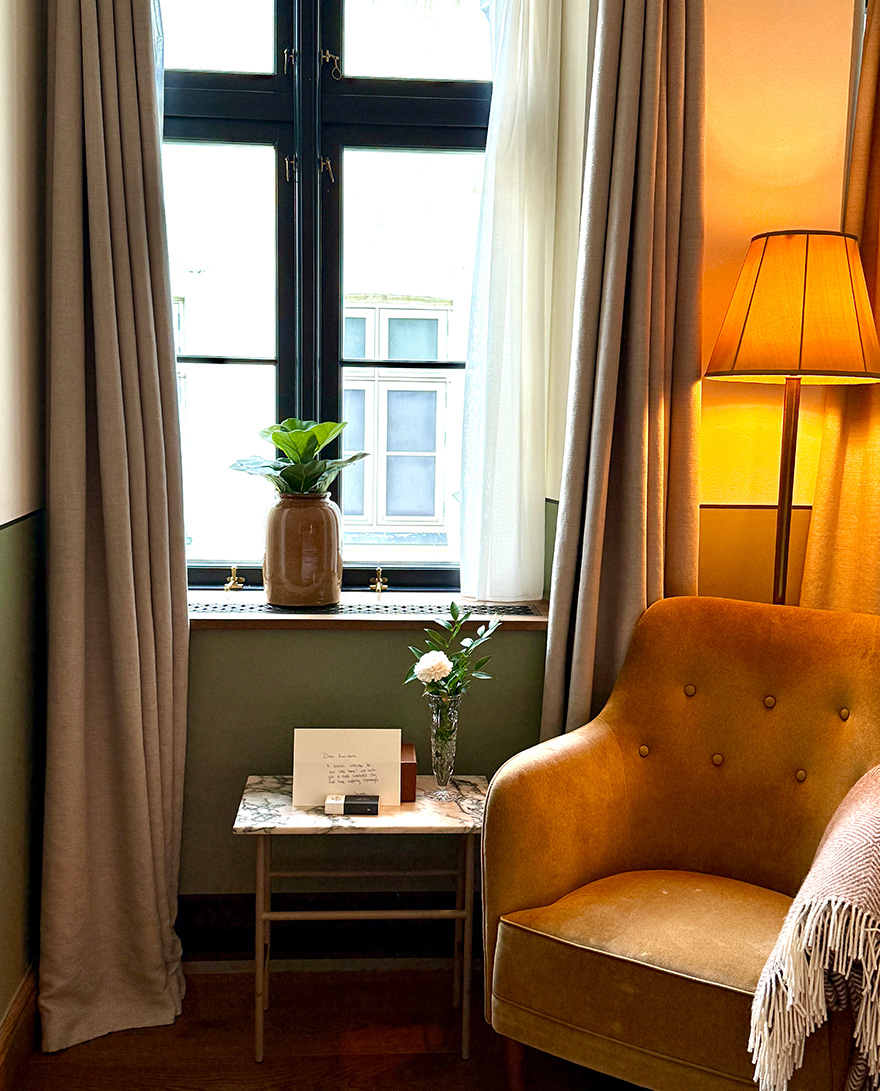
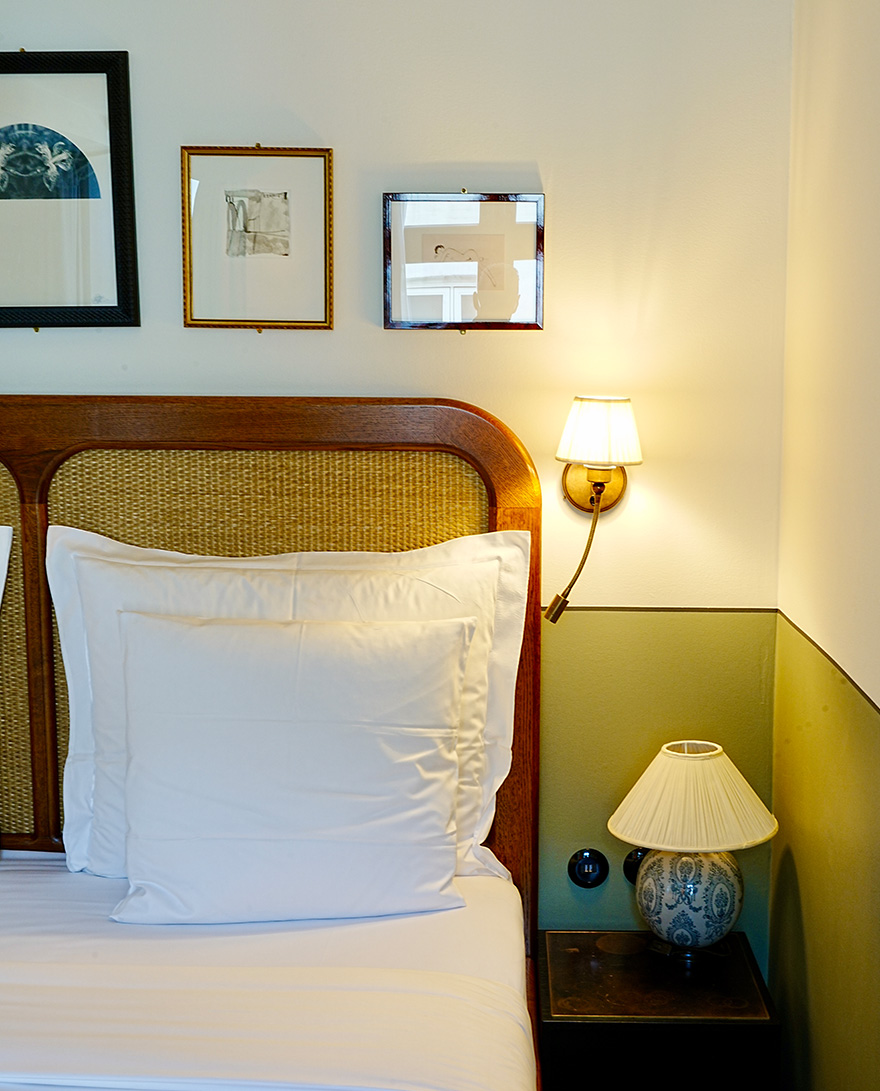
There are 54 rooms and suites, with mid-century furniture, vintage Danish lamps, textured walls, marble panelling and patterned wallpapers. The bedrooms feel warm and residential rather than like standard luxury hotel rooms.
The public spaces are a big part of the appeal. TATA, named after the nickname for the Royal Theatre’s red curtain, is a small cocktail bar with low lighting, brass details and deep velvet seating. There is also a nice terrace outside the front of the hotel, open all day, for tea and coffee in the afternoon or cocktails in the evening.
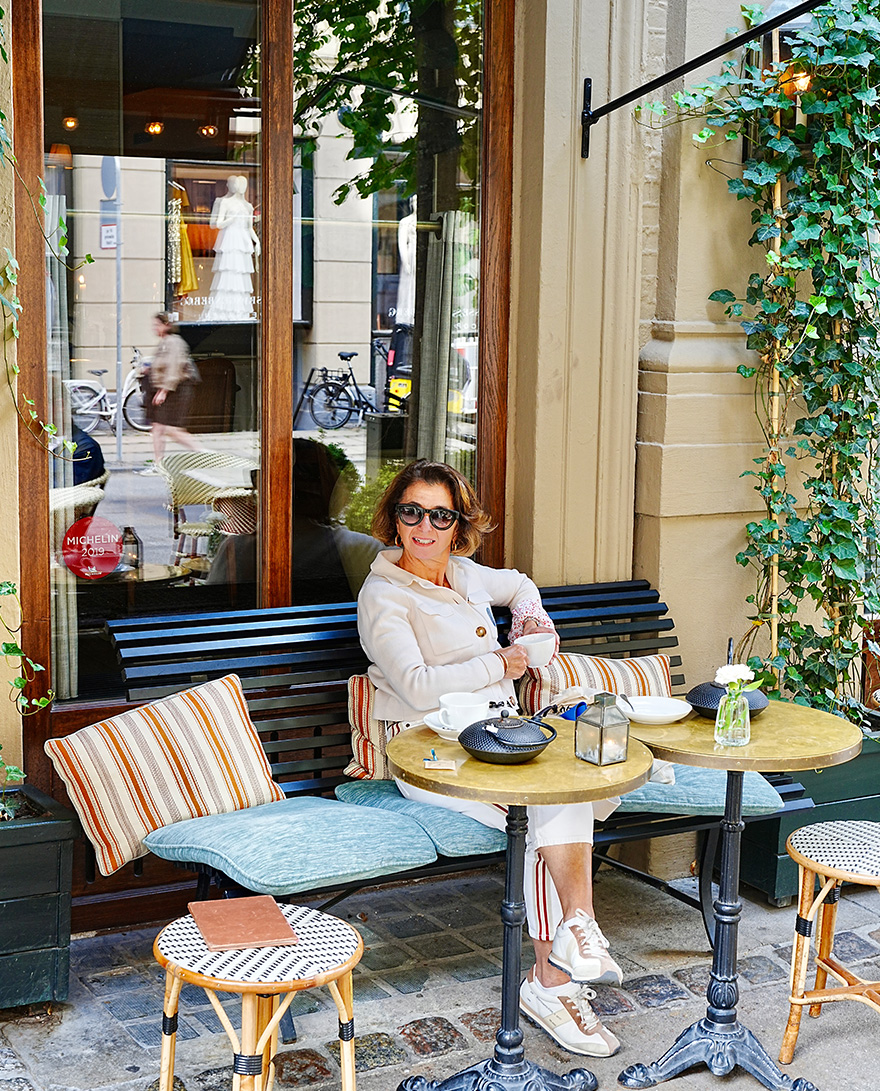
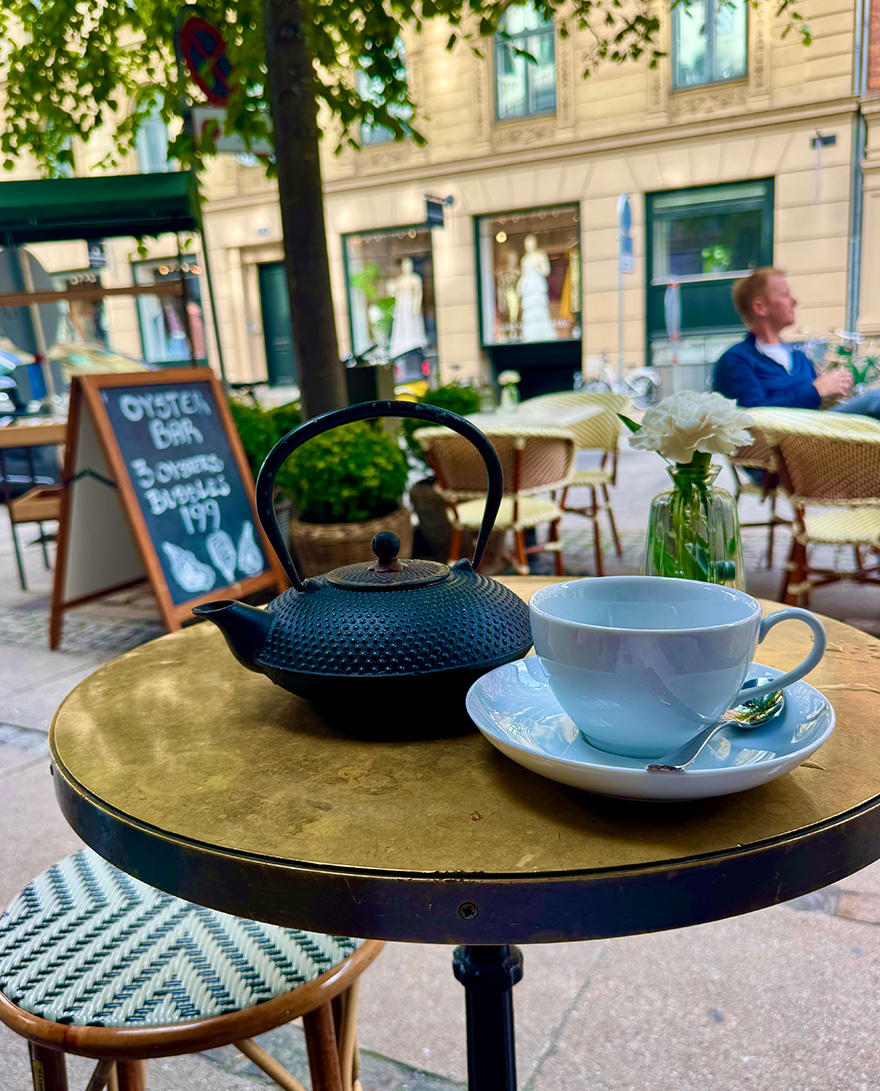
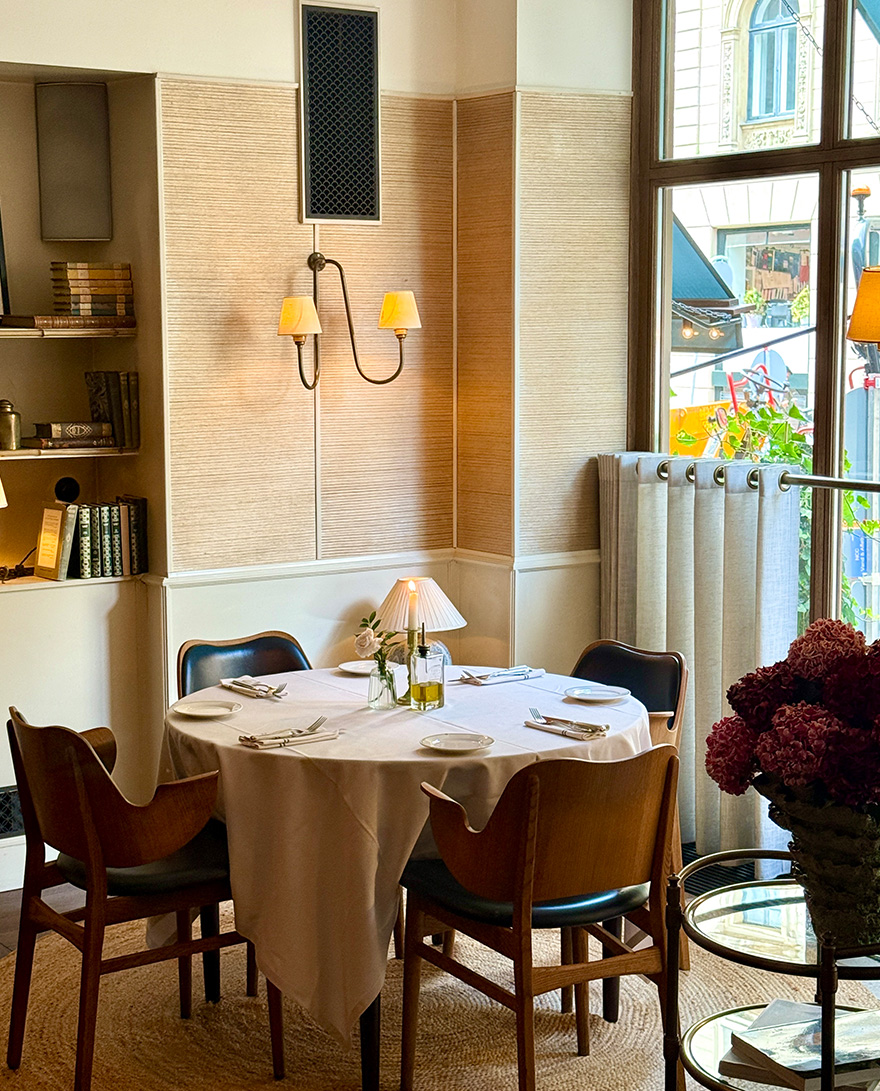
Sanders Kitchen is a relaxed restaurant with a simple bistro menu and is also where the generous breakfast buffet is served. We liked in the indoor, plant filled courtyard where we started most days.
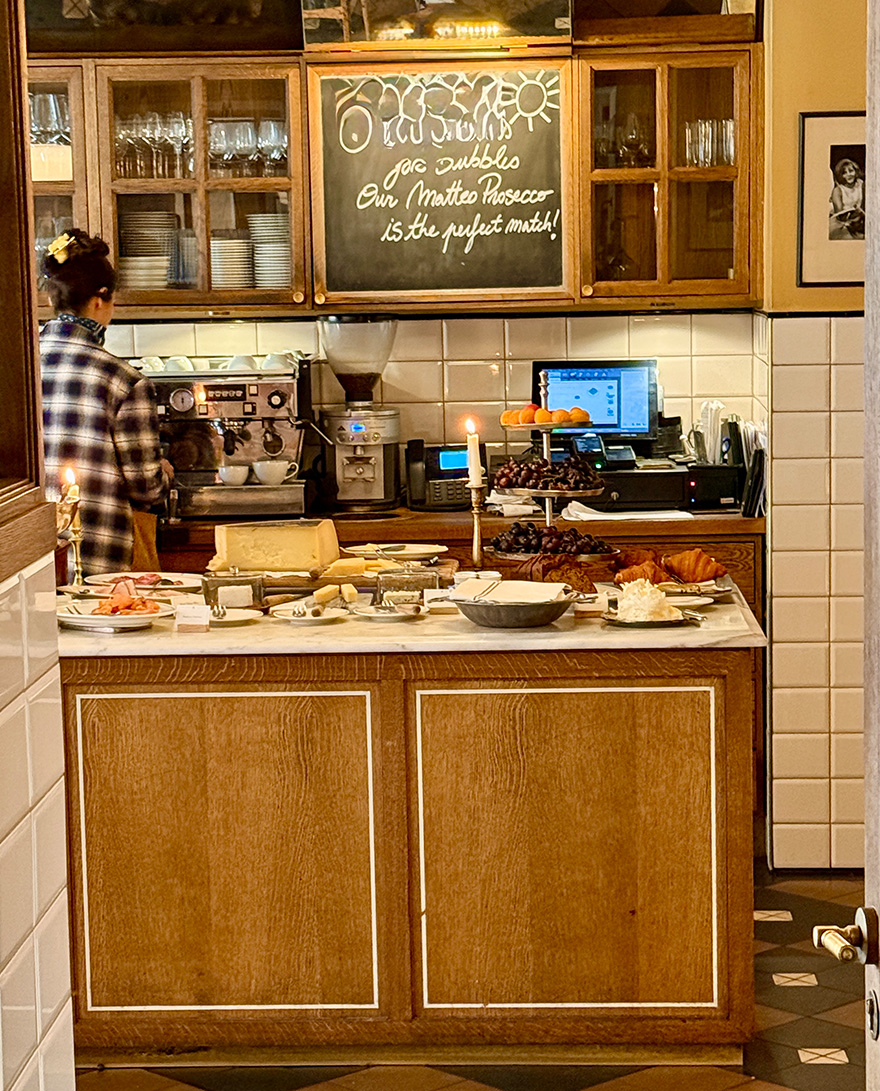
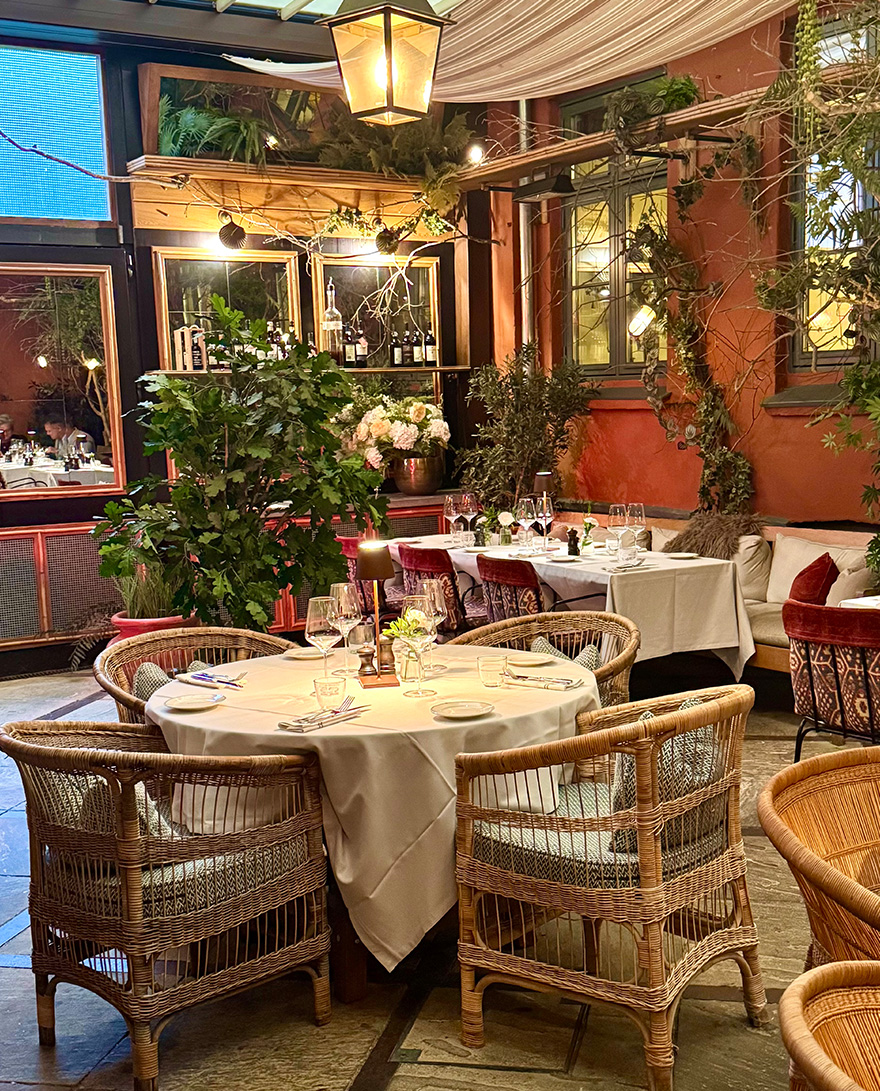
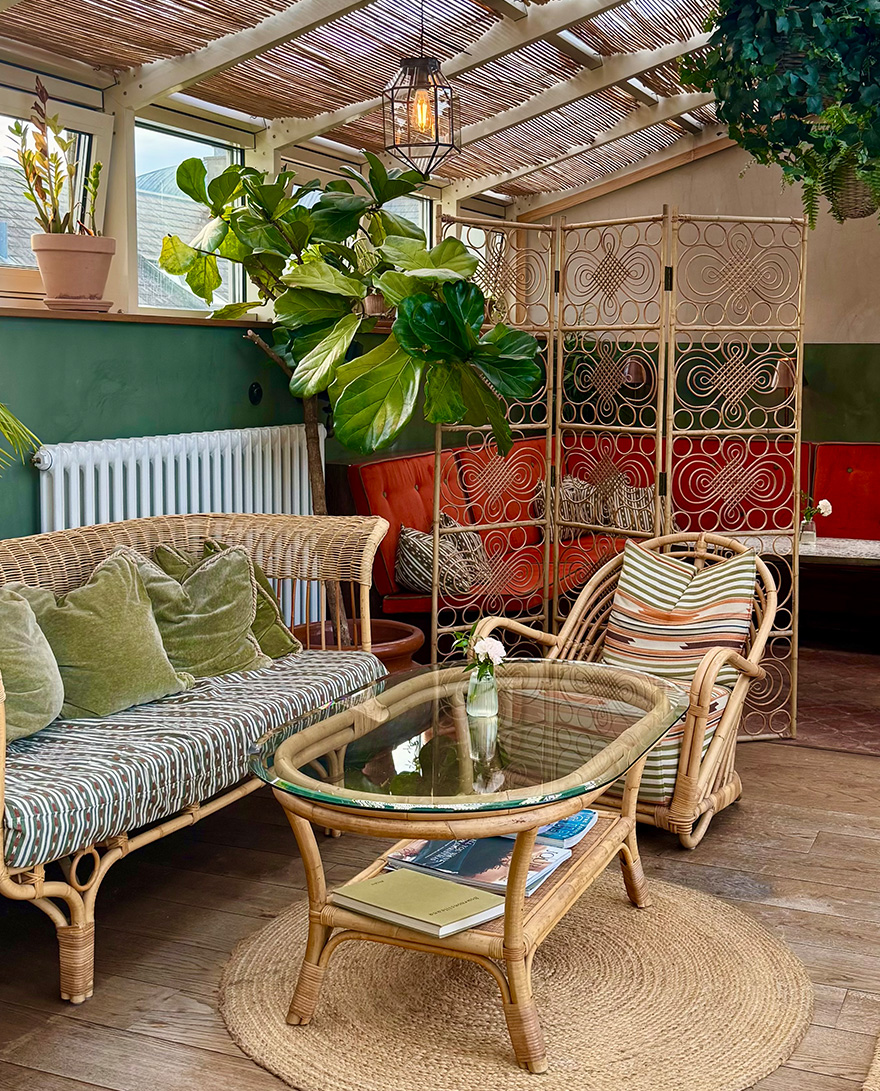
There is also a rooftop conservatory and terrace, filled with rattan furniture, woven rugs, plants and Moroccan lanterns. It’s a lovely place for sundowners after a day in the city.
HOTEL D’ANGLETERRE
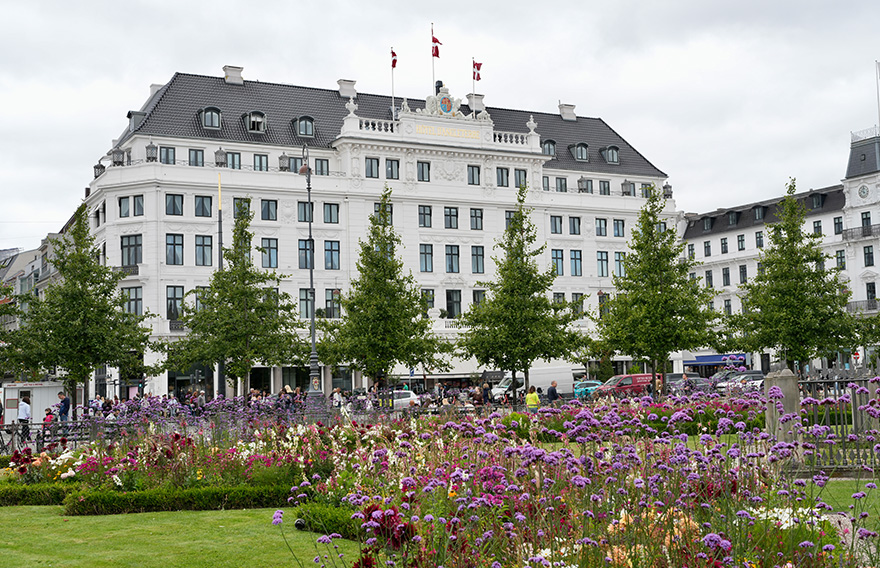
We stayed at Hotel d’Angleterre on a previous visit. It’s a very different proposition from Sanders: larger, more formal and a good choice when you want the reliability and facilities of a classic luxury hotel. Copenhagen’s grand dame occupies one of the city’s best positions on Kongens Nytorv square, close to Nyhavn, the Royal Theatre and the central shopping streets. The white 18th-century façade and formal entrance set a traditional but classy tone.
Inside, the style is classical but not heavy, with pale colours, chandeliers, polished stone and fresh flowers throughout the public rooms. Bedrooms and suites are individually designed and generously proportioned, combining elegant furniture with modern bathrooms and the technology expected at this level. Rooms facing Kongens Nytorv have the strongest sense of place, although those looking inwards are likely to be quieter. The hotel also has a rare city-centre swimming pool, along with a spa and fitness facilities. Marchal is the main restaurant, and Balthazar is the hotel’s champagne bar
Dine
BARR
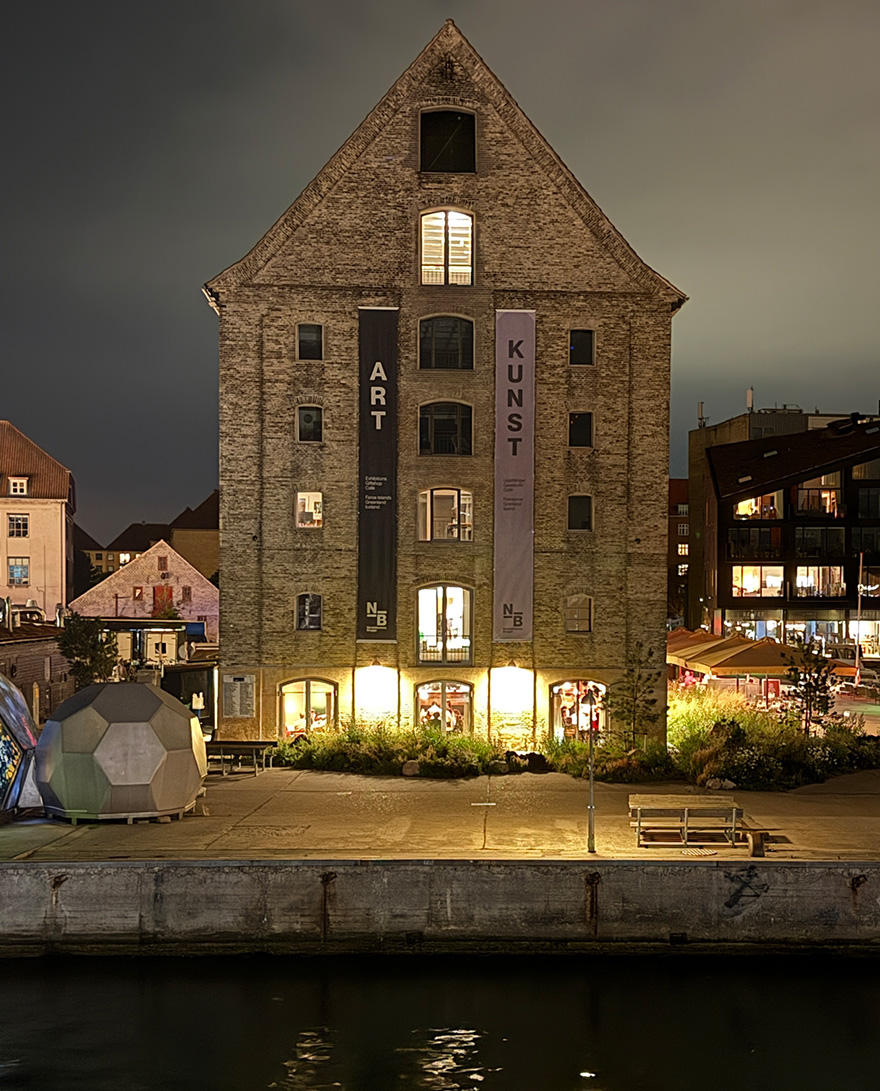
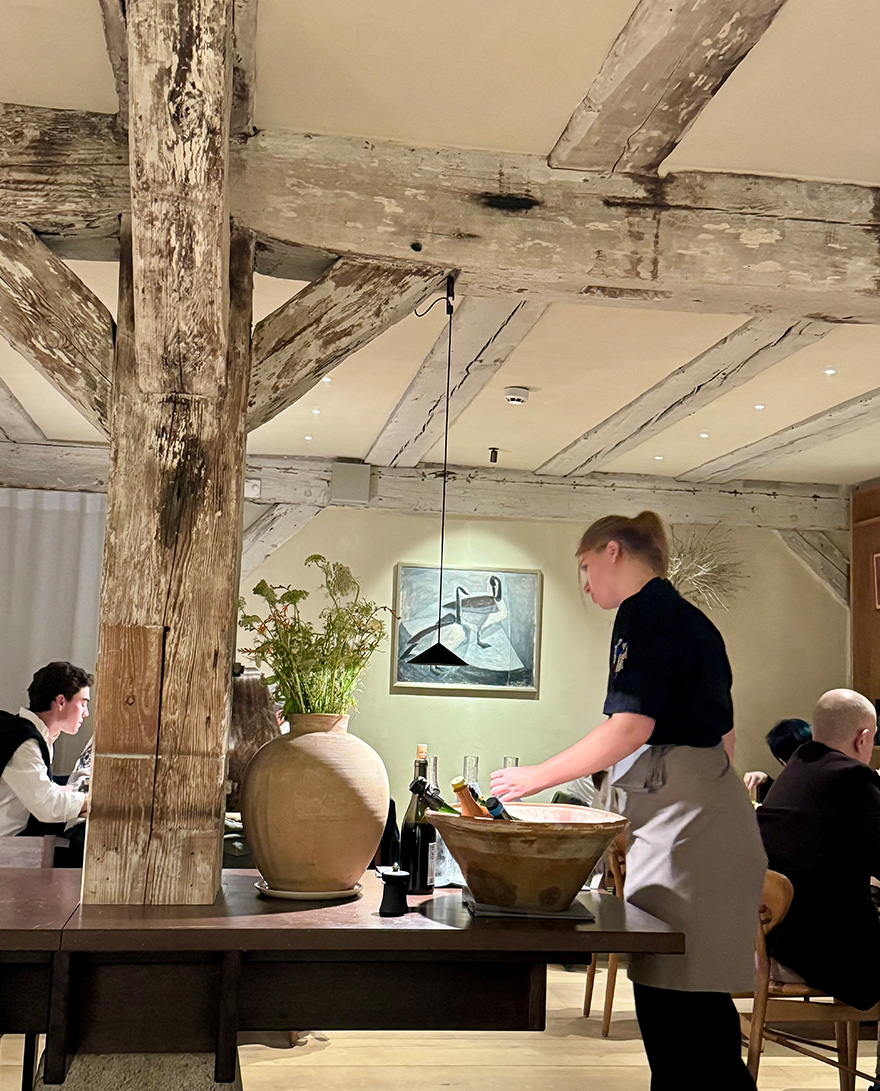
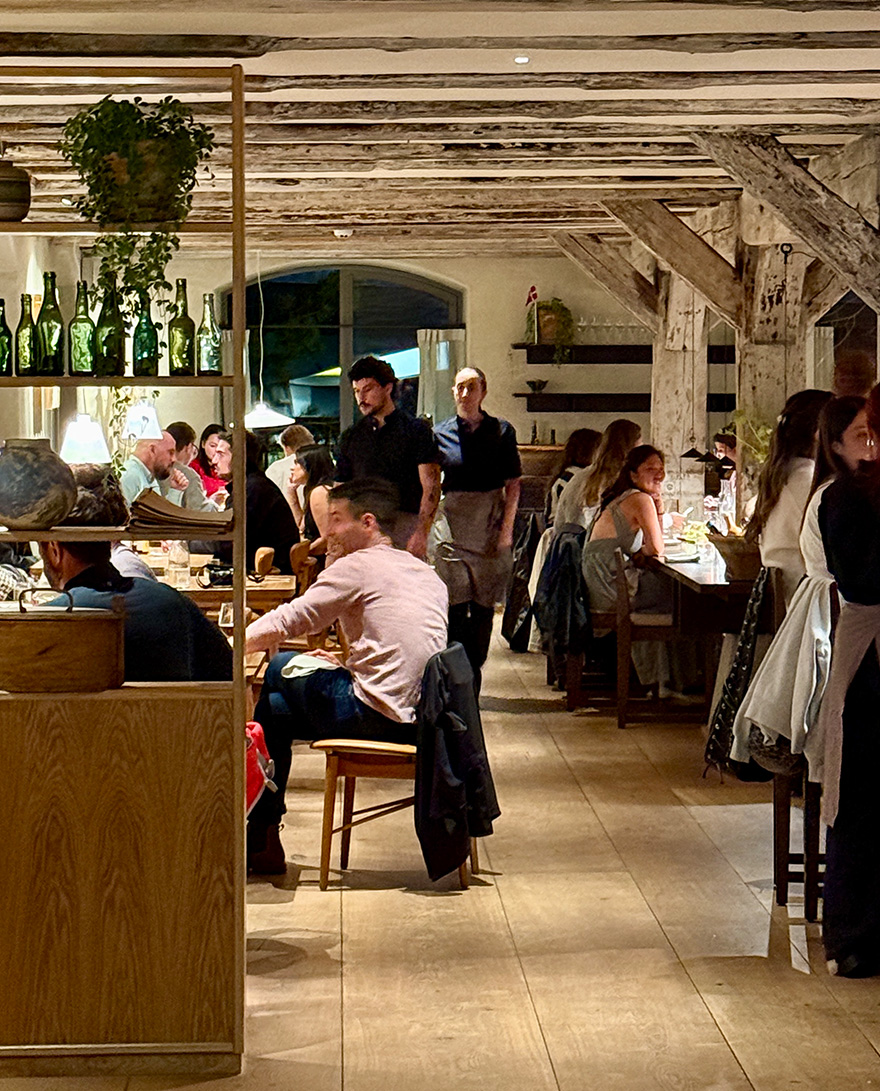
Barr occupies Noma’s former waterside dining room, just across the Inderhavnsbroen pedestrian and cycle bridge from Nyhavn. The restaurant looks towards the harbour from an old warehouse, with timber, brick, leather and warm lighting inside and a buzzy vibe. The cooking draws on the food cultures around the North Sea, so dishes are Nordic in origin. Expect excellent bread, fish, vegetables and richly flavoured meat dishes. You can book for a full dinner, have lunch beside the water or simply stop at the bar for a drink. It was our choice when we wanted grounded Nordic cooking in a room that still feels special.
SANKT ANNÆ 8
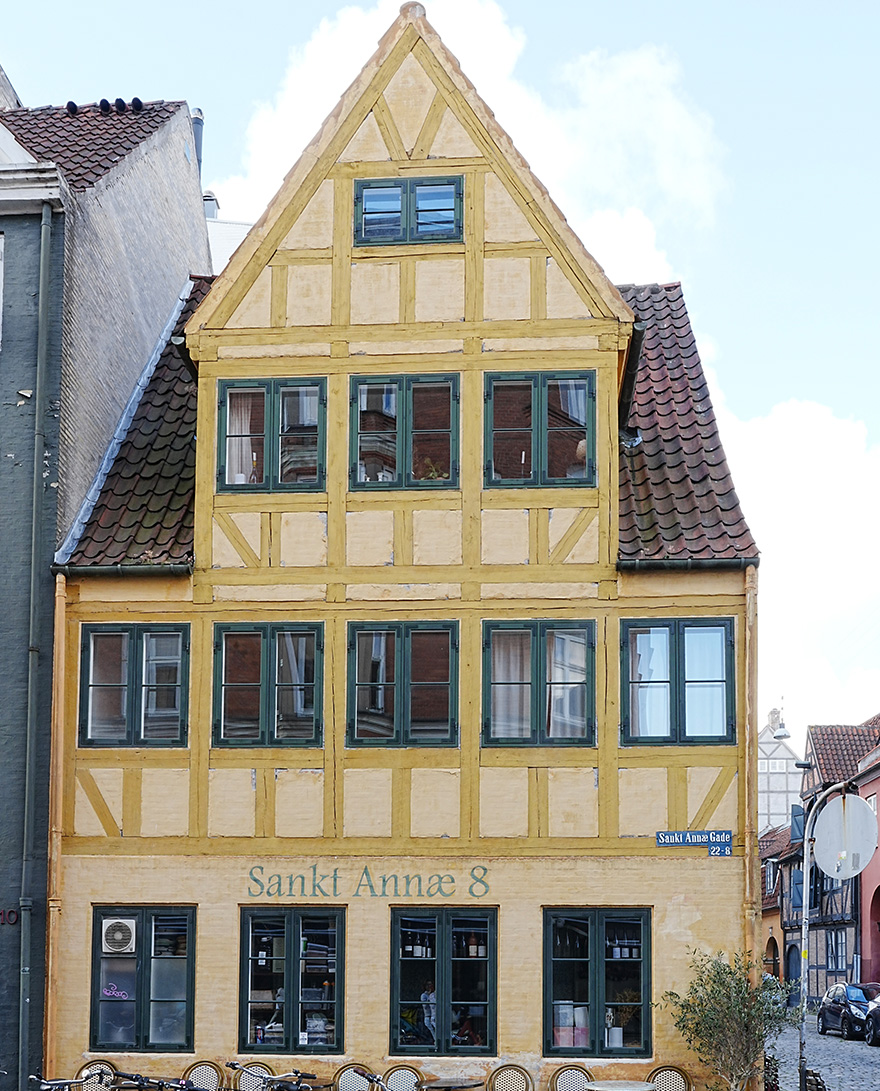
Friends who live in Copenhagen took us to Sankt Annæ 8 as it is one of their local favourites, tucked away on a quiet corner in Christianshavn, well off the usual tourist trail. It is a small, relaxed neighbourhood restaurant with a simple dining room and a very local feel. The menu changes with the seasons and is built around unfussy dishes made with good produce: freshly baked sourdough focaccia, charcuterie and French cheeses and a changing hot dish of the day. There is also a good selection of natural wines, with almost everything available by the glass. It felt exactly like the sort of place you hope friends will take you to in a city — informal, characterful and full of local regulars.
ESSE
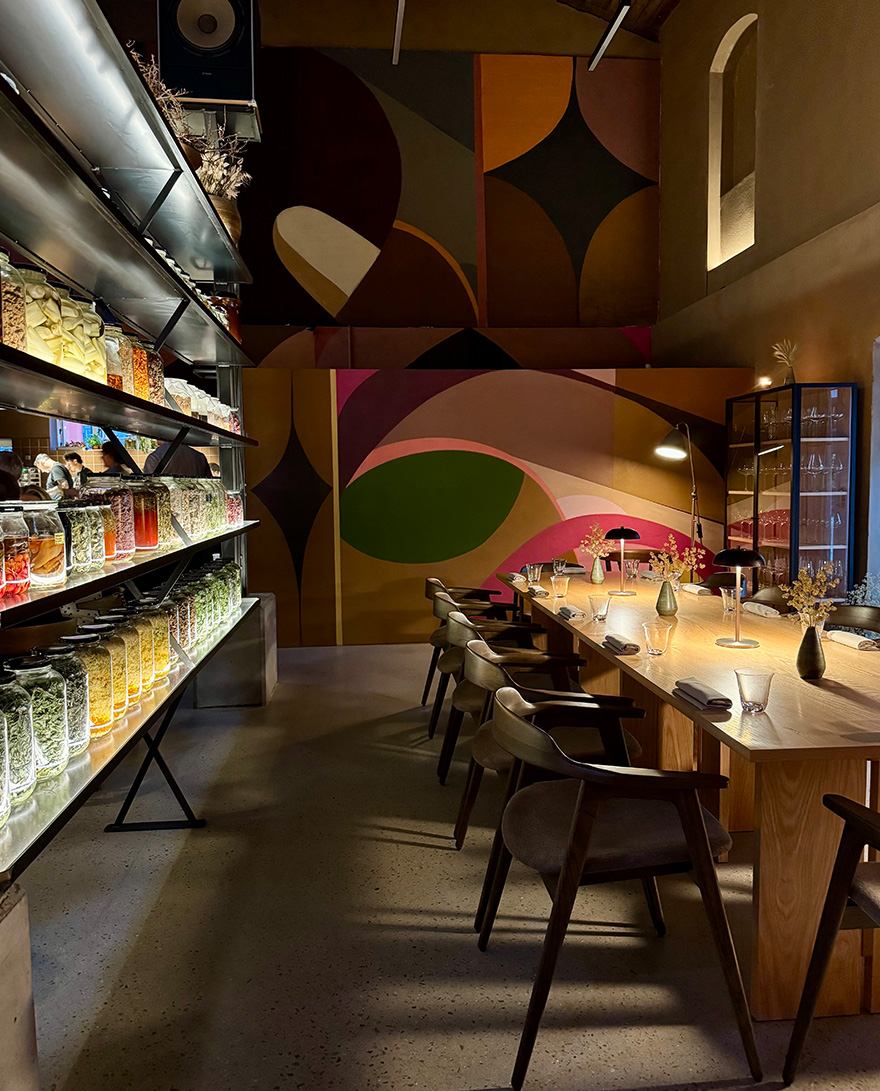
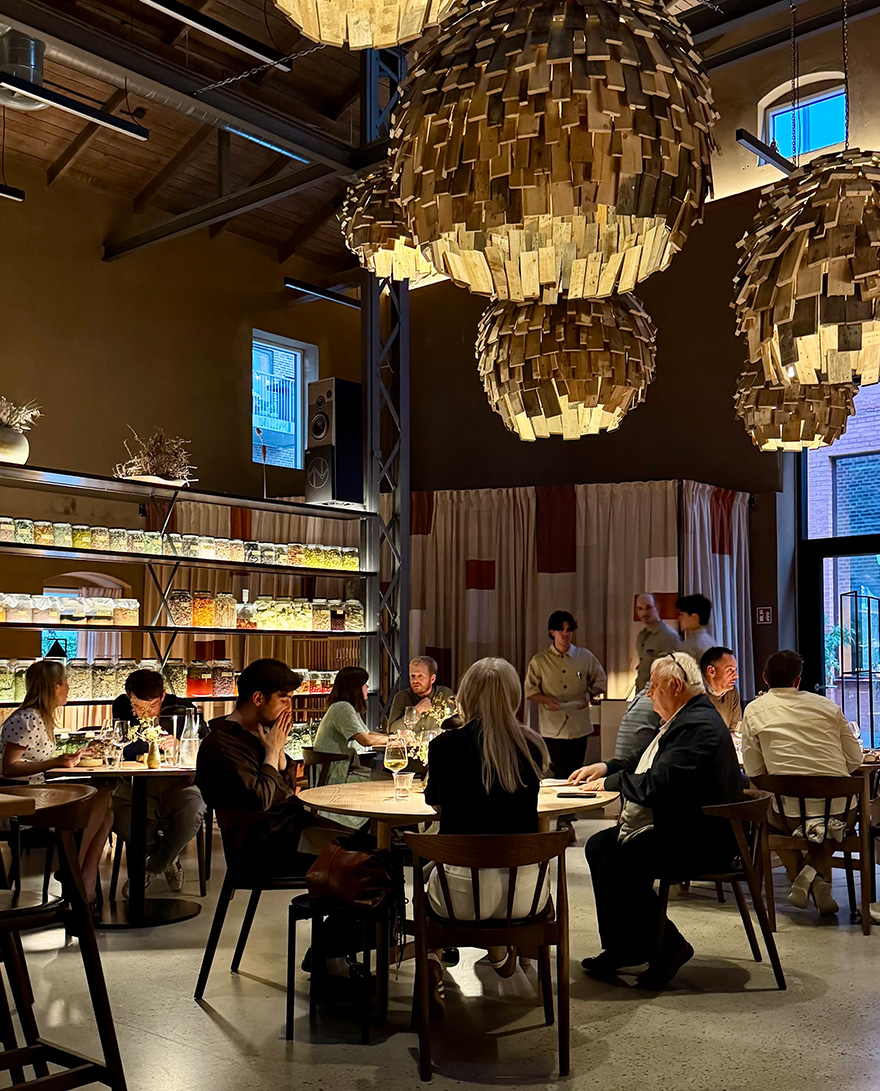
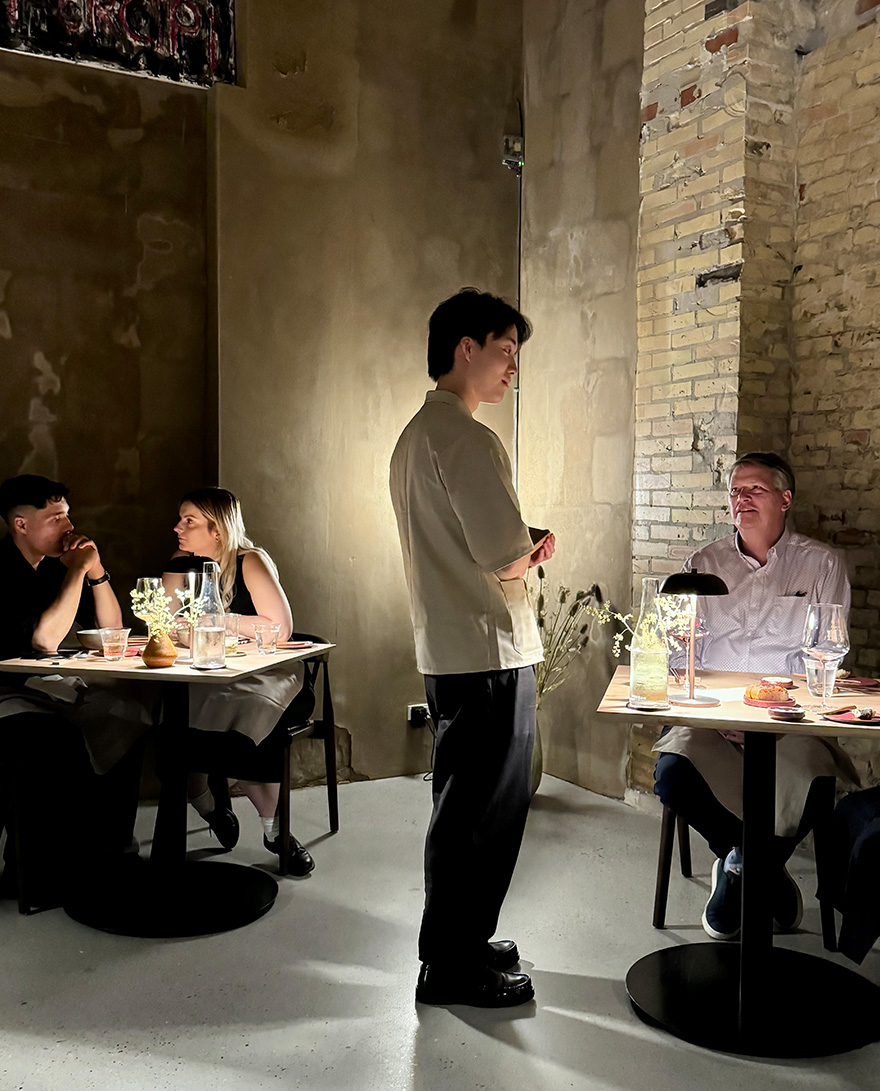
ESSE opened in 2025 in a restored 1895 warehouse in Nordhavn and received a Michelin star in 2026. It is run by Matt Orlando, the former chef-owner of Amass, who returned to Copenhagen after several years in Singapore developing his work around circular food systems. The industrial room is a brilliant setting: exposed brick and timber, an open kitchen, colourful murals, rows of jars holding ferments and preserved ingredients, and lights made from scrap wood by Danish artist Thomas Dambo. A rap soundtrack and the restaurant’s slightly irreverent personality stop the experience from feeling too serious.
The evening tasting menus begin with Danish produce and follow the seasons, adding global flavours and techniques without losing sight of the main ingredient. The staff explain the menu and the thinking behind it with enthusiasm. The restaurant’s current menus might include Danish seafood, chilled buckwheat noodles, fermented potato bread, celeriac with spruce, chicken with walnut and kombu, and desserts using ingredients such as noble fir and beetroot. The result is creative, detailed cooking served by a passionate team in a setting that could only really belong in Copenhagen. Book well ahead.
Do - Nyhavn
NYHAVN
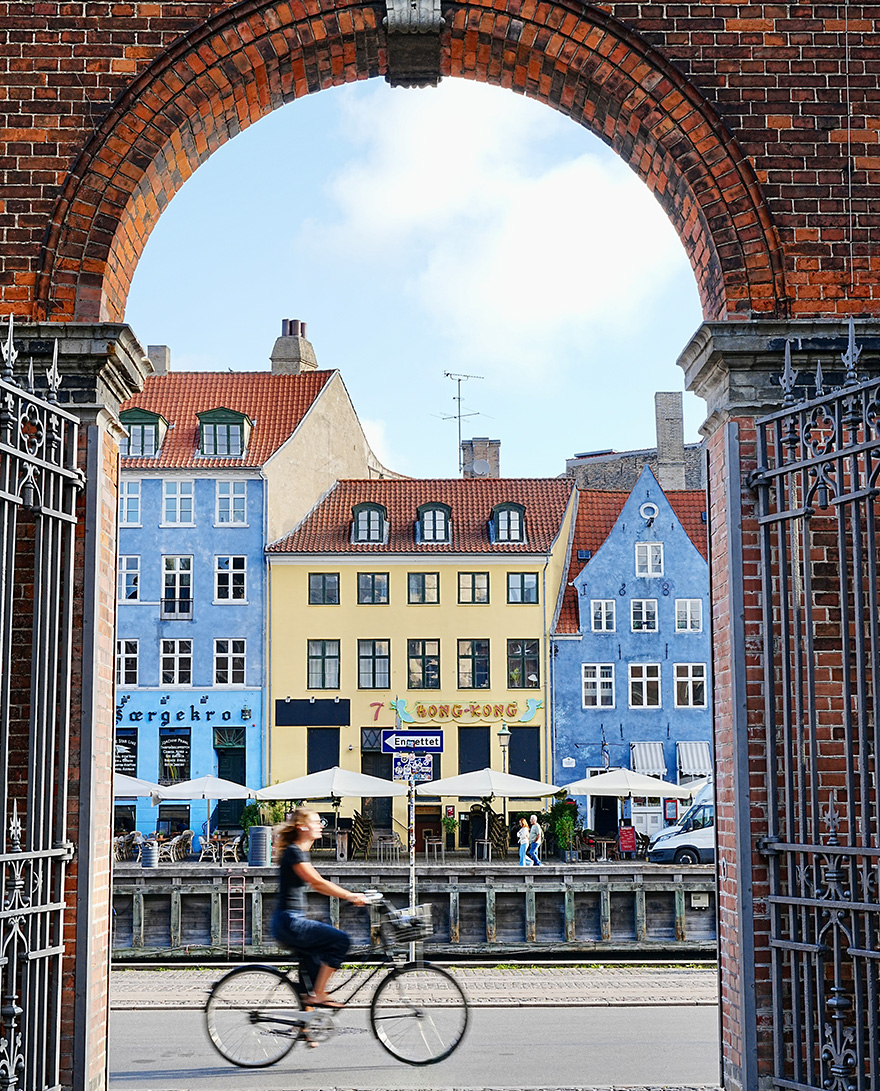
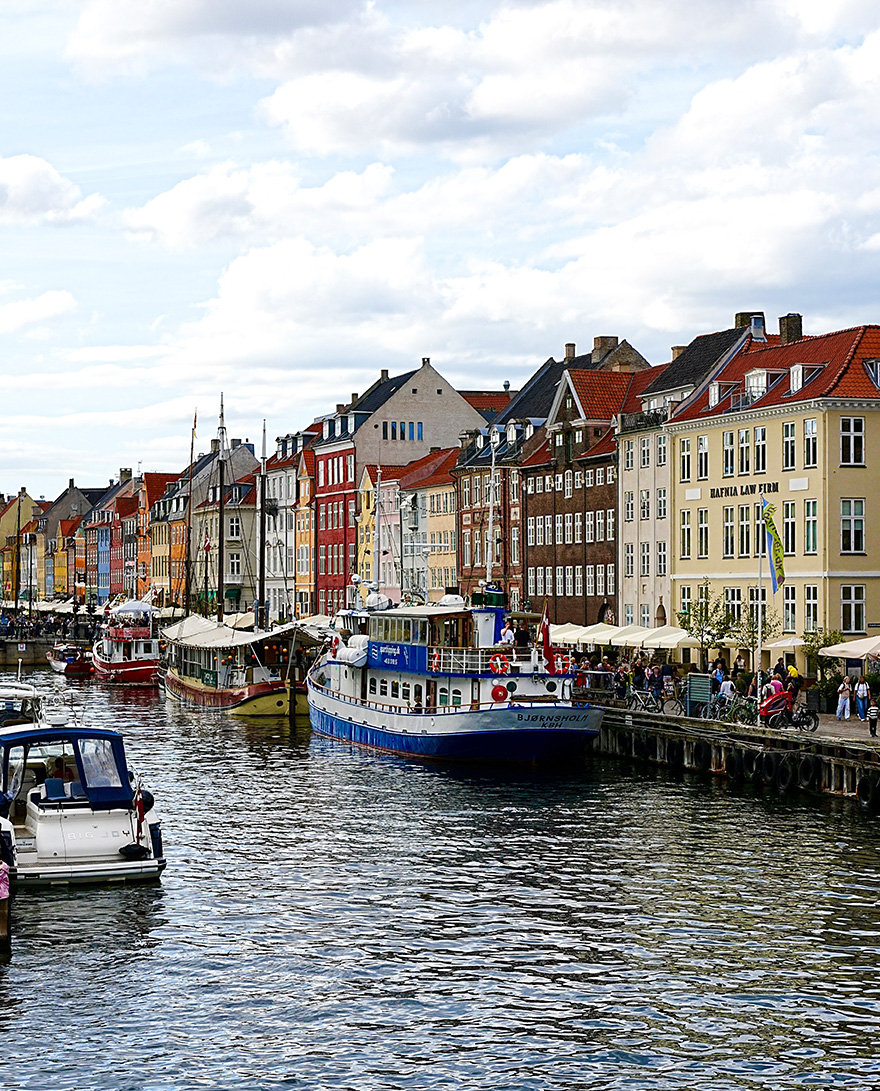
Nyhavn is the familiar postcard view of Copenhagen: brightly coloured townhouses, historic wooden boats and café tables lining the canal. It is crowded in summer, and the waterside restaurants are very touristy, but it is still worth an early walk for the architecture and harbour atmosphere. Go in the morning, before the tour groups fill the narrow pavements, then head into the adjoining streets or the courtyard of Kunsthal Charlottenborg.
Brunch/Lunch
APOLLO BAR
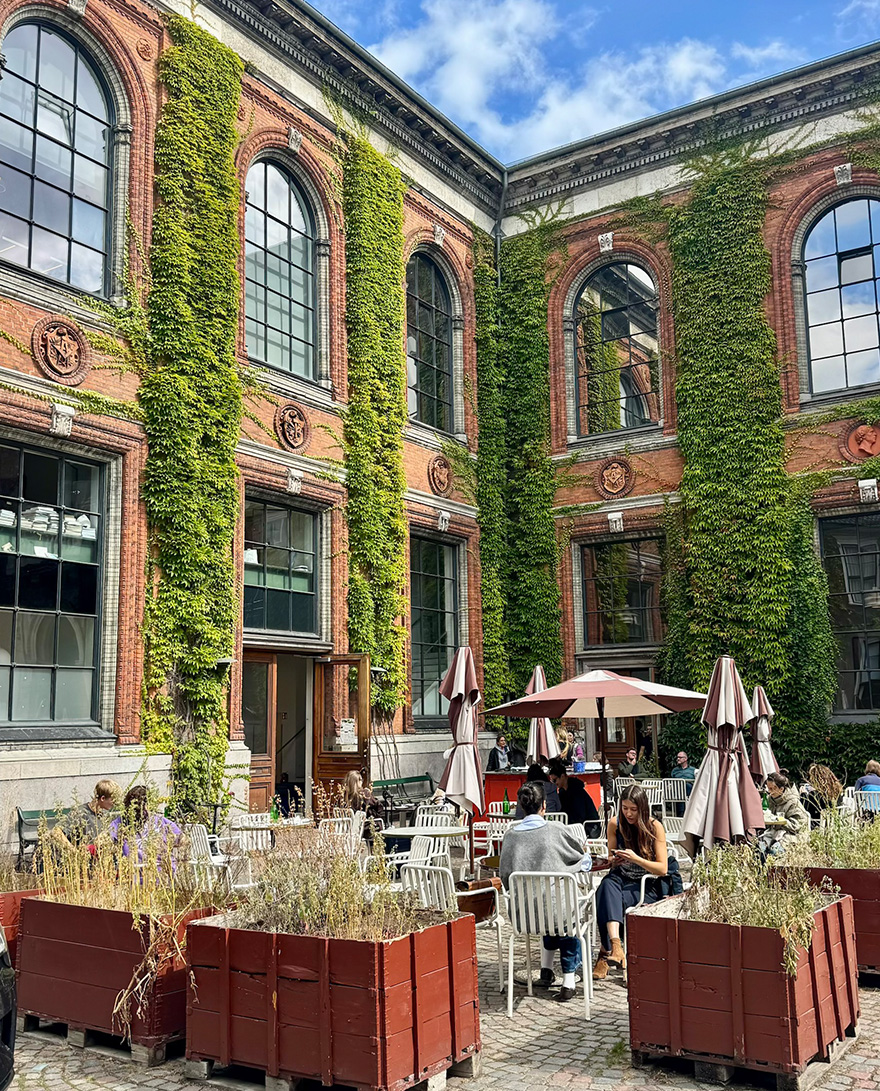
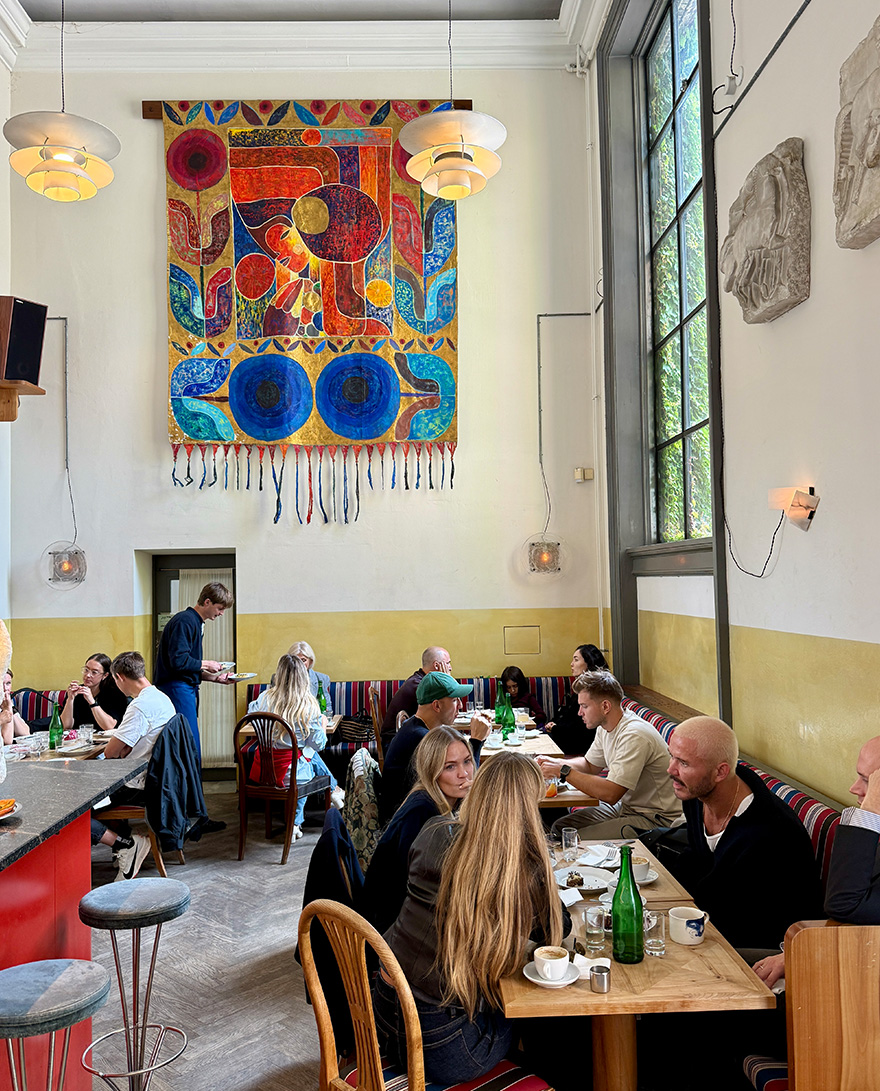
Apollo Bar is hidden inside the cobbled courtyard of Kunsthal Charlottenborg, almost beside Nyhavn but pleasantly detached from the crowds. The high-ceilinged interior combines white walls, art and sculpture with PH lighting, navy velvet, a red bar and blocks of strong colour. In good weather, the courtyard is the place to sit, with a mix of gallery visitors, local creatives and very good people-watching! Food is simple but beautifully executed, including omelettes, smoked salmon and burrata & sourdough.
Do - Christianshavn
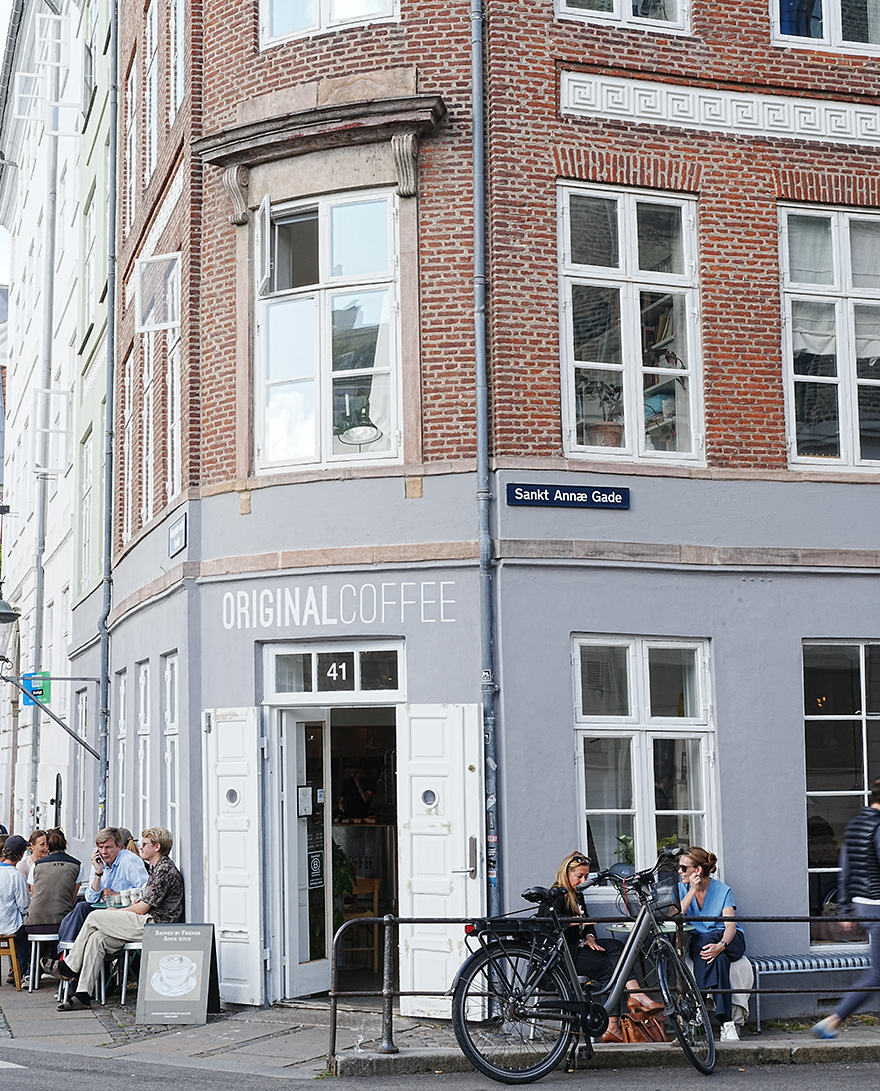
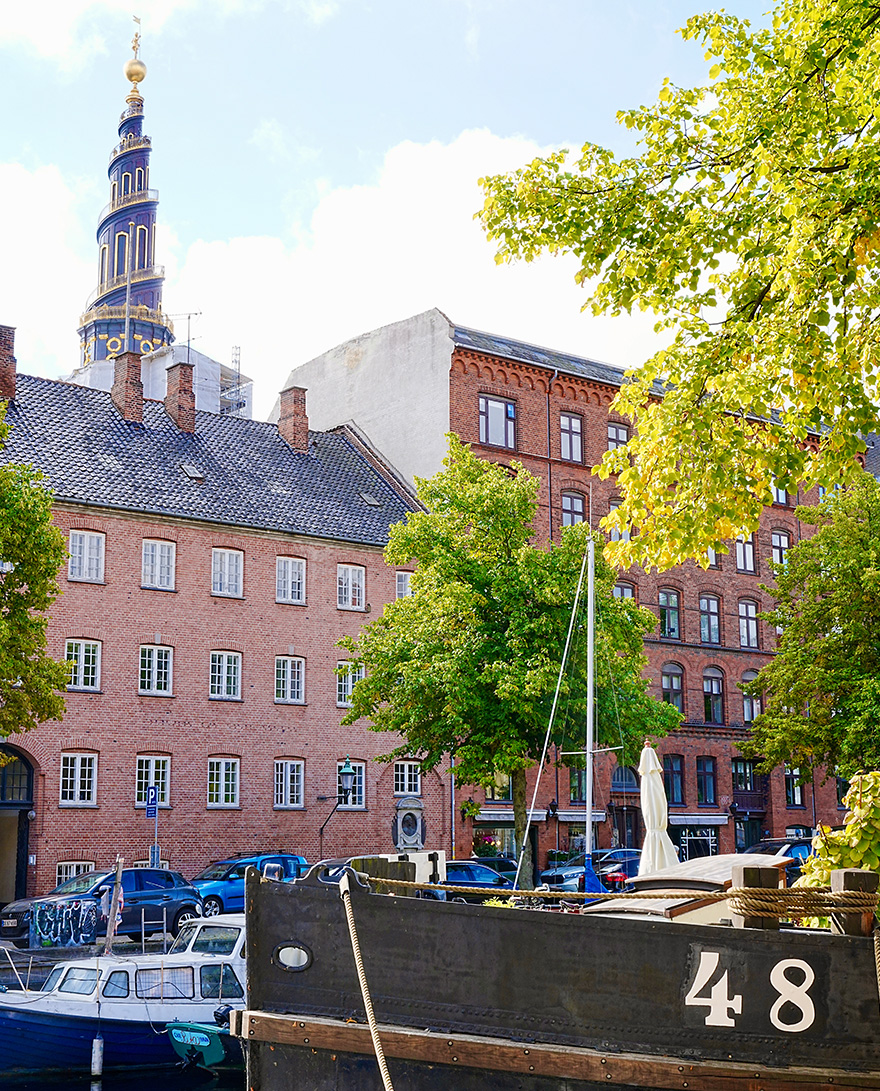
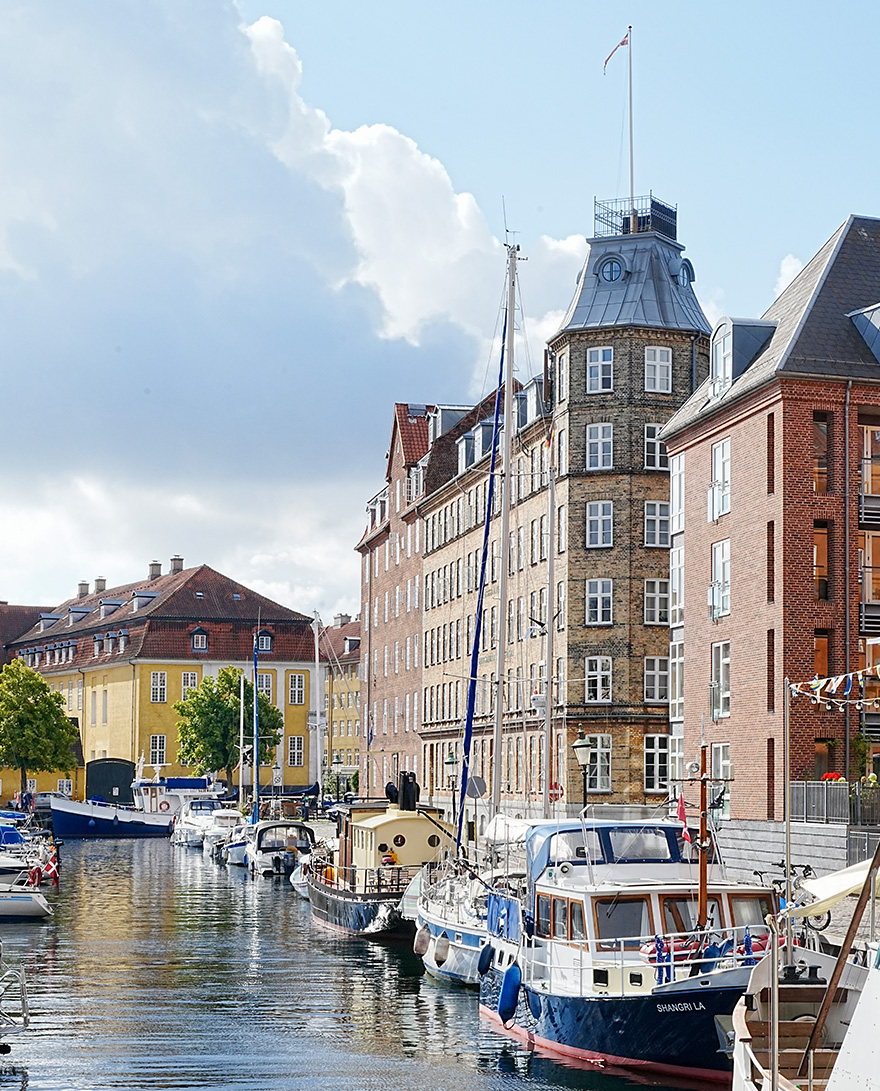
Just over the bridge from Nyhavn brings you to Christianshavn, a quieter part of Copenhagen built around canals, cobbled streets and handsome old townhouses. It has a more residential feel than the city centre, with boats moored along the water, small cafés, and independent shops. It’s a lovely, peaceful area to walk or bike around. The area was originally developed in the 17th century and still has a strong maritime character.
Do - Central Design District
Few cities have so many serious furniture, interior and fashion shops compressed into such a small area. From Nyhavn, walk up Kongens Nytorv, which then becomes Gothersgade and head off also into Ny Østergade. The stores below are roughly in the order you’ll walk past them. Within a relatively short distance, you can see original Danish modern furniture, contemporary homeware, fashion, books and galleries, with plenty of places nearby for lunch and coffee.
Shop
KLASSIK
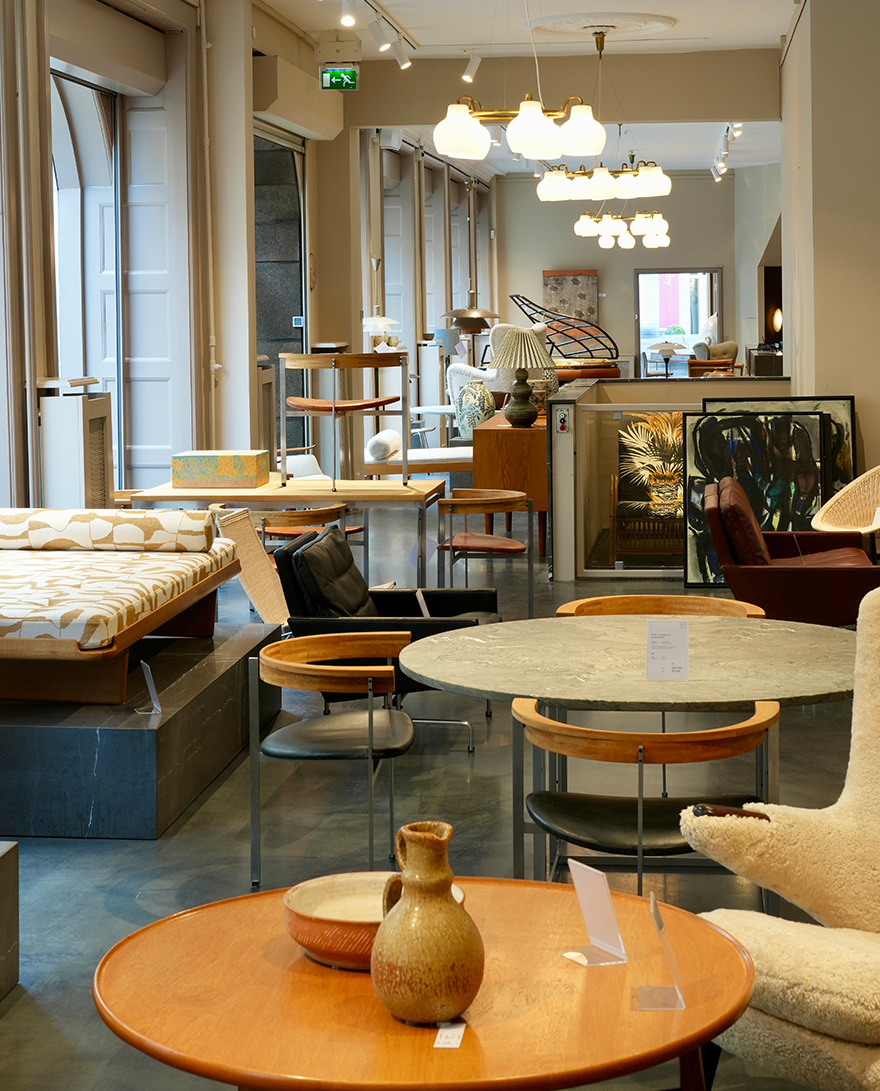
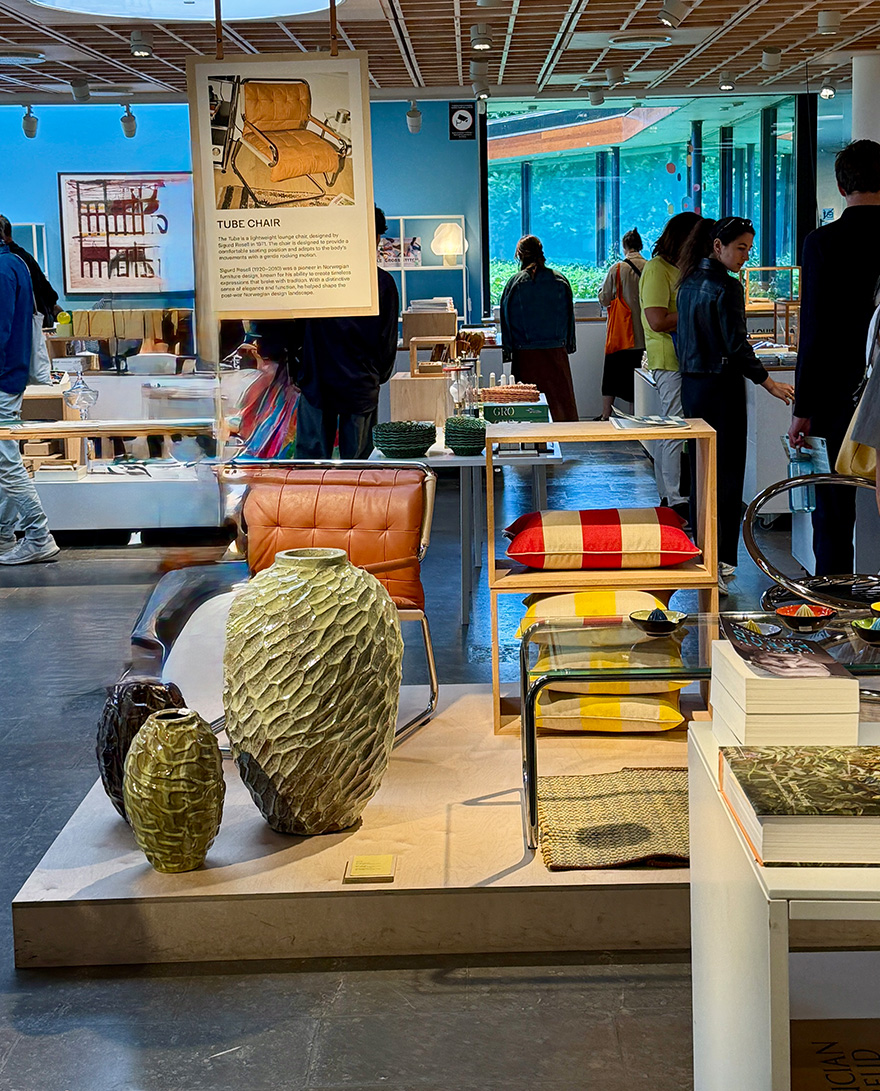
Klassik is one of Copenhagen’s best places to see original Danish furniture (below left). It’s on Bredgade just off Kongens Nytorv. The showroom brings together vintage pieces by Hans J. Wegner, Finn Juhl, Poul Henningsen and Poul Kjærholm, all beautifully presented and properly documented. Prices reflect the quality, but you do not need to be buying: it feels like a small commercial museum of Danish modernism and is essential for anyone serious about furniture design.
BINDESBØL (Kongens Nytorv 20)
Bindesbøl is a beautifully designed clothing shop recommended to use by a stylish Copenhagen friend! It has a tightly chosen collection of upscale international and Scandinavian brands. The edit is grown-up and understated, with strong fabrics, simple shapes and pieces that will last beyond one season.
HOUSE OF FINN JUHL (Gothersgade 9)
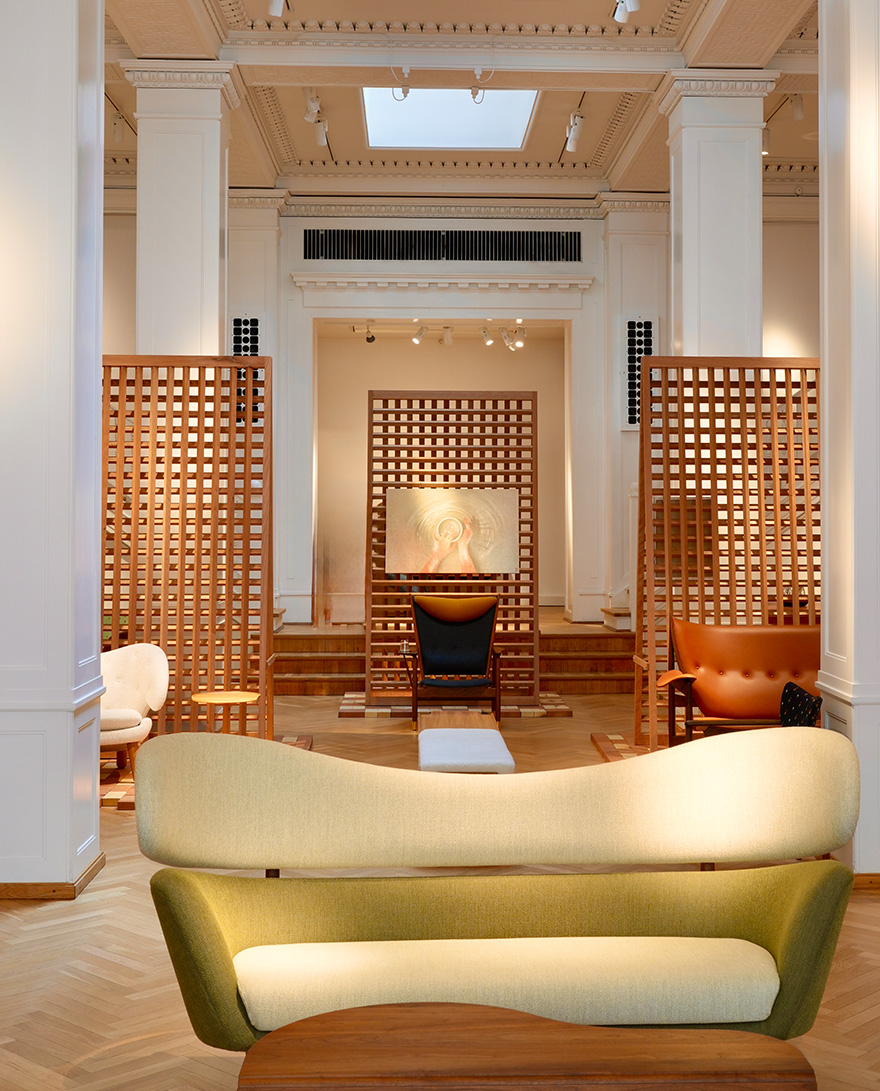
Finn Juhl is one of David’s favourite designers, so the House of Finn Juhl showroom was a highlight (below middle)! It gives his sculptural mid-century furniture enough space to appreciate the curved forms, timber and upholstery properly, with chairs, tables, sofas and accessories arranged as complete rooms. It is a useful chance to see how the pieces work together rather than viewing one chair in isolation.
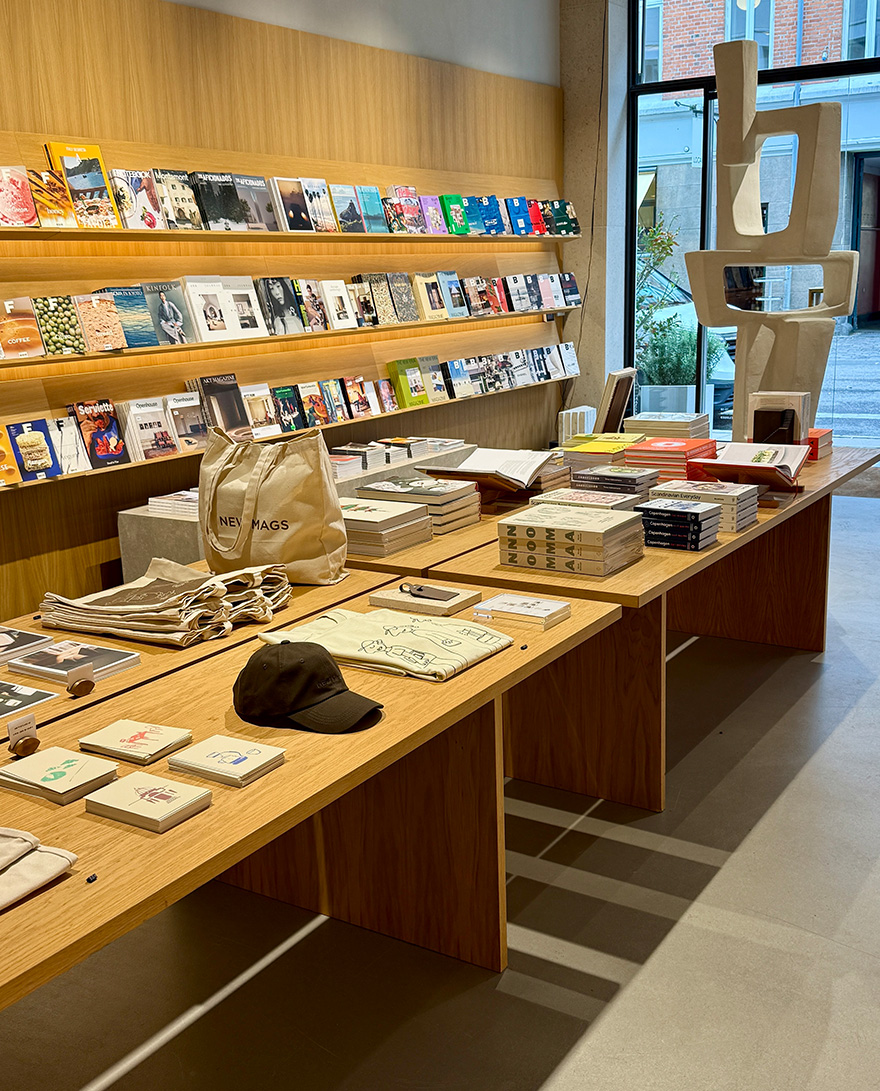
NEW MAGS (Ny Østergade 28)
New Mags is a bookshop for people who can lose an hour browsing. Its tables and shelves cover interiors, architecture, art, fashion, photography, food and travel, with a strong selection of large-format books and independent magazines. It is beautifully arranged and was one of our favourite shops in the area (below right).
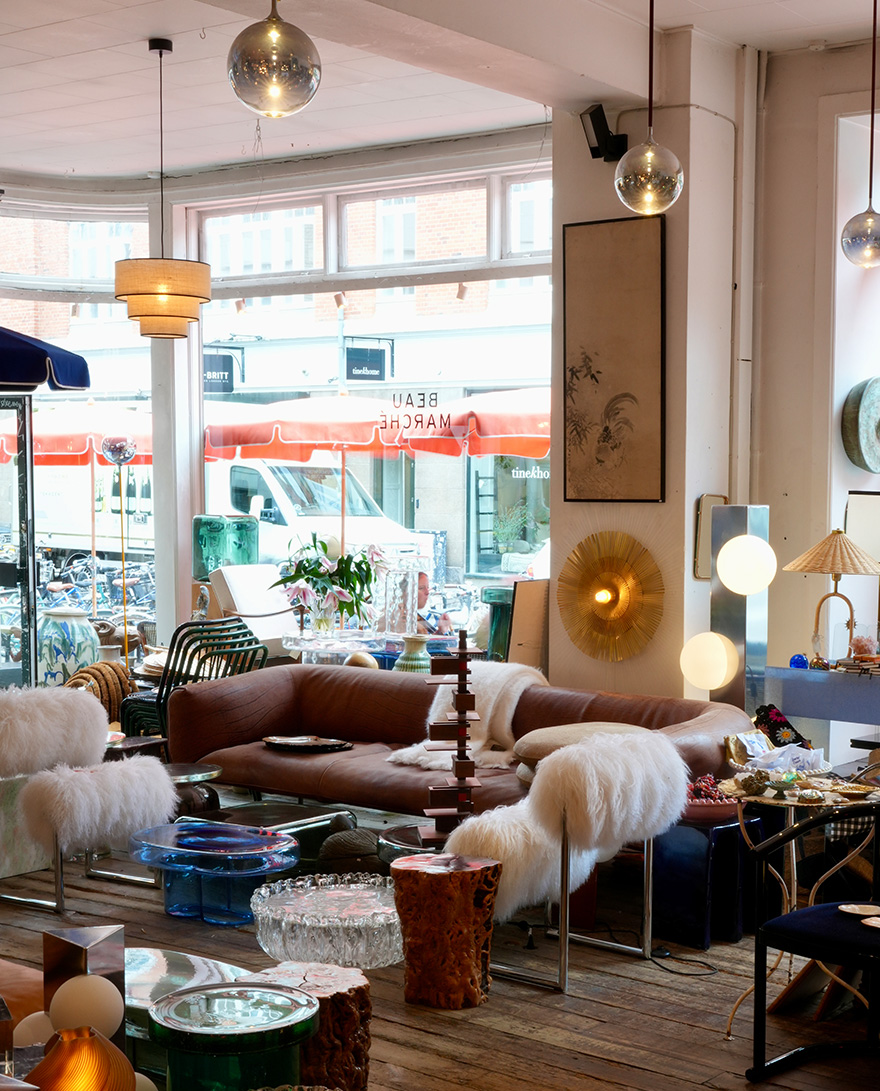
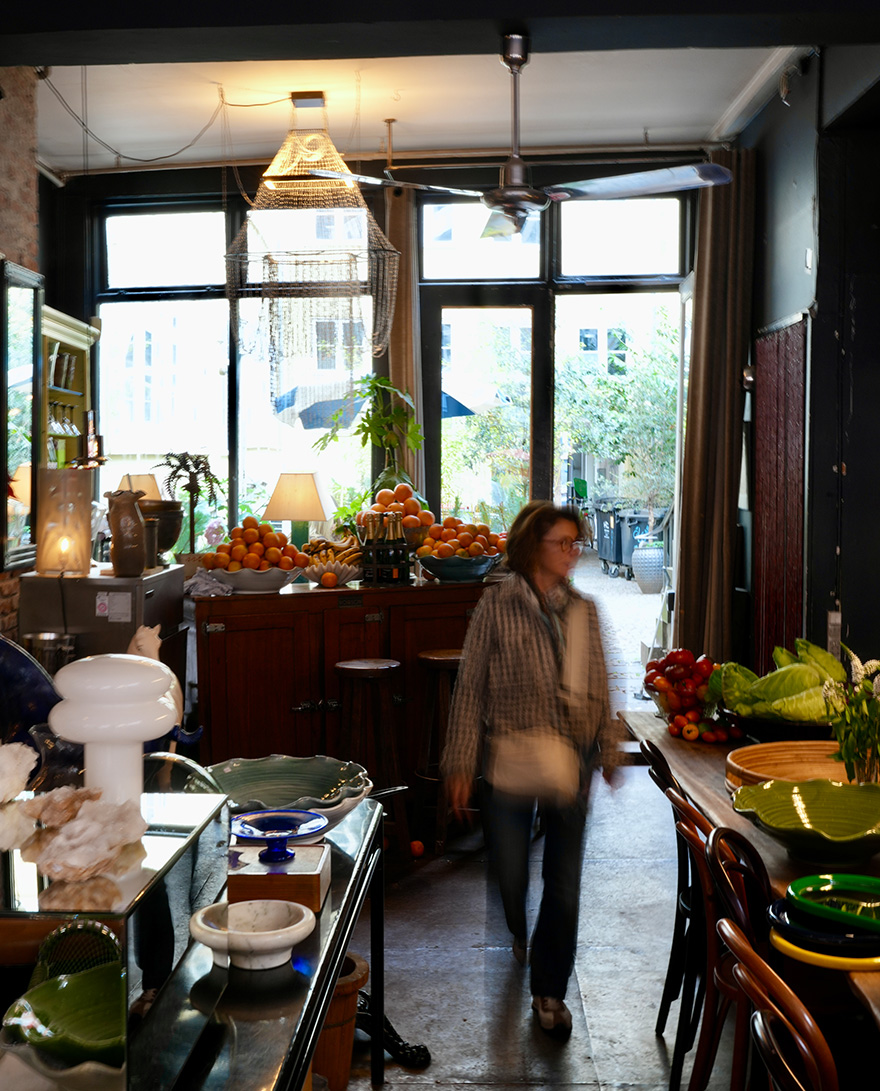
BEAU MARCHÉ (Ny Østergade 32)
Beau Marché combines a French-style café with a shop selling vintage furniture, lighting, mirrors and decorative objects. The pieces change constantly, which is part of the interest, and the mix is more eclectic and lived-in than the polished Danish showrooms nearby. Stop for a browse or combine it with coffee in the courtyard.
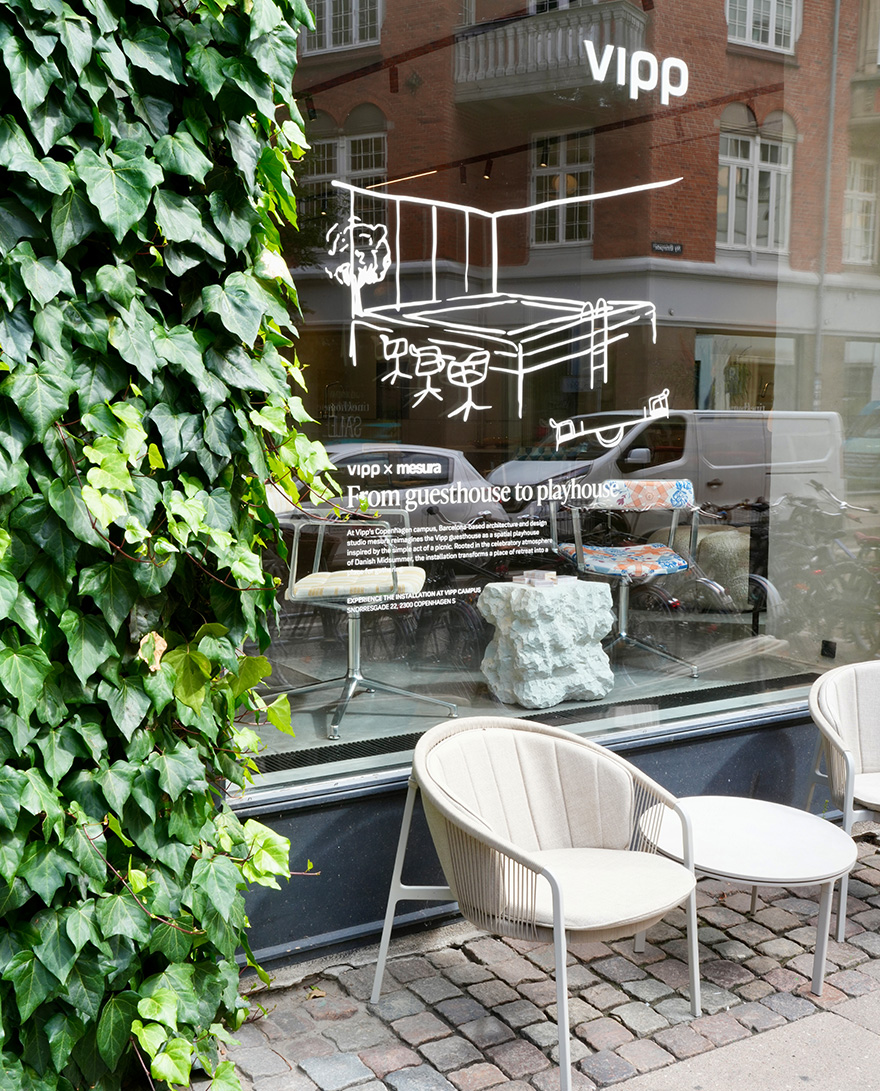
VIPP (Ny Østergade 34)
Vipp began in 1939 with Holger Nielsen’s pedal bin and has developed into a family-run design company producing kitchens, furniture, lighting and accessories, as well as a series of highly designed guesthouses. Its Copenhagen showroom is closer to a complete home than a conventional shop and shows how the same functional approach runs from the original bin through to an entire kitchen.
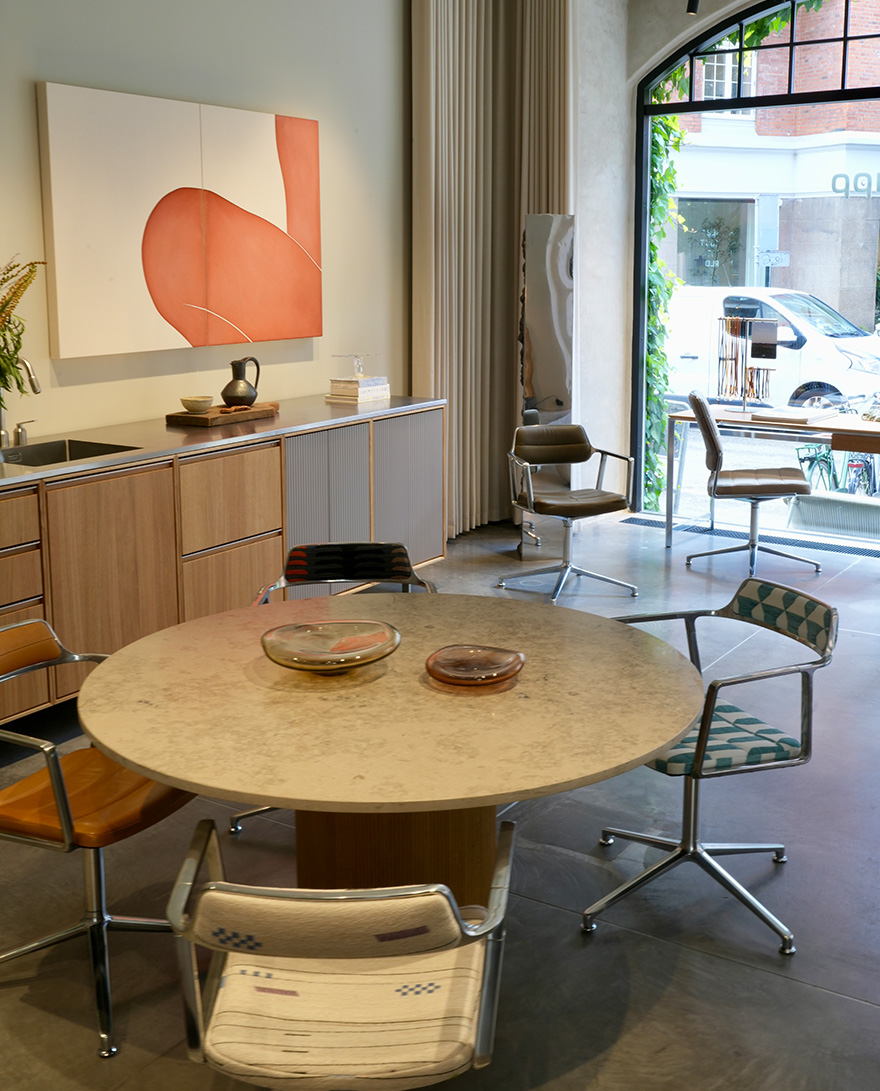
BOLIA (Christian IX's Gade 7)
Bolia is a contemporary Danish furniture brand with sofas, tables, chairs, lighting and smaller home accessories displayed in calm, neutral room sets. It is more accessible than the vintage collector showrooms and useful for seeing the softer, more relaxed end of current Scandinavian interiors.
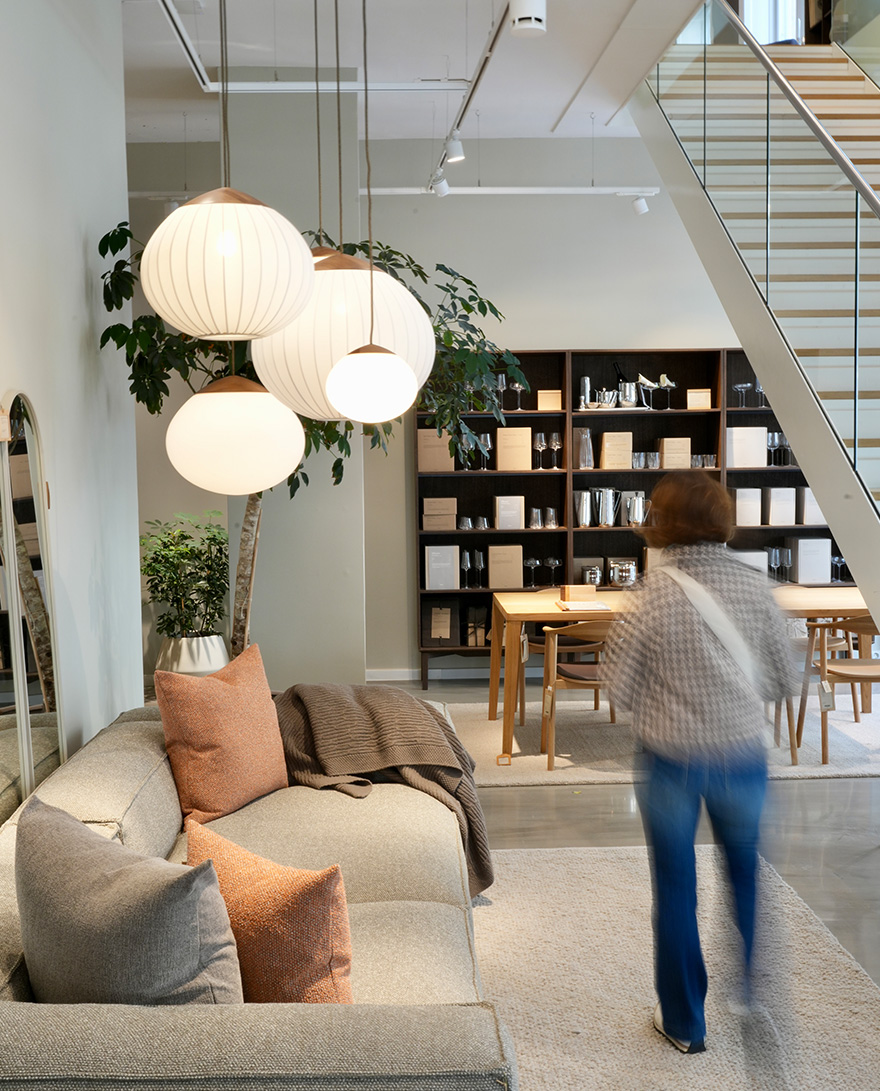
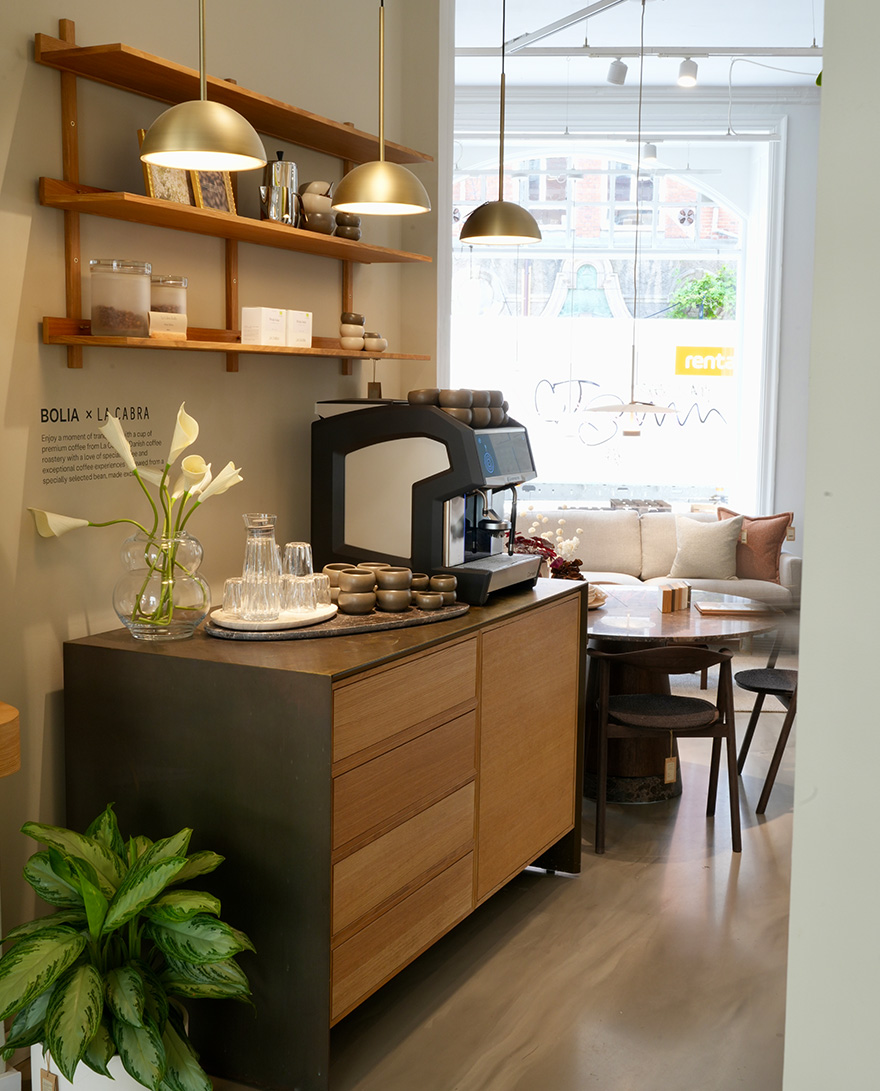
STOY (Landemærket 8)
STOY brings a strong multi-brand fashion edit to Copenhagen, mixing established international designers with newer labels across clothing, footwear and accessories. It is a useful stop if your interest in Danish design extends beyond furniture and objects, with a sharper and more directional selection than the big department stores.
HAY HOUSE
HAY House spreads the brand’s colourful, accessible take on Danish design across several floors overlooking the centre. Furniture and lighting sit alongside stationery, kitchenware, storage and textiles, with sherbet-coloured notebooks and small accessories making it easy to find something packable. It is a more playful counterpoint to the museum-quality pieces at Klassik.
Brunch and lunch
LOUISE ROE GALLERY
Louise Roe’s gallery and café offers a first-hand look at the Copenhagen tabletop and furniture brand: you sit on its chairs and eat from its ceramics and glassware. The monochrome palette, sculptural lighting and carefully spaced furniture make it one of the smarter lunch options in the district, with the food presented as thoughtfully as the room.
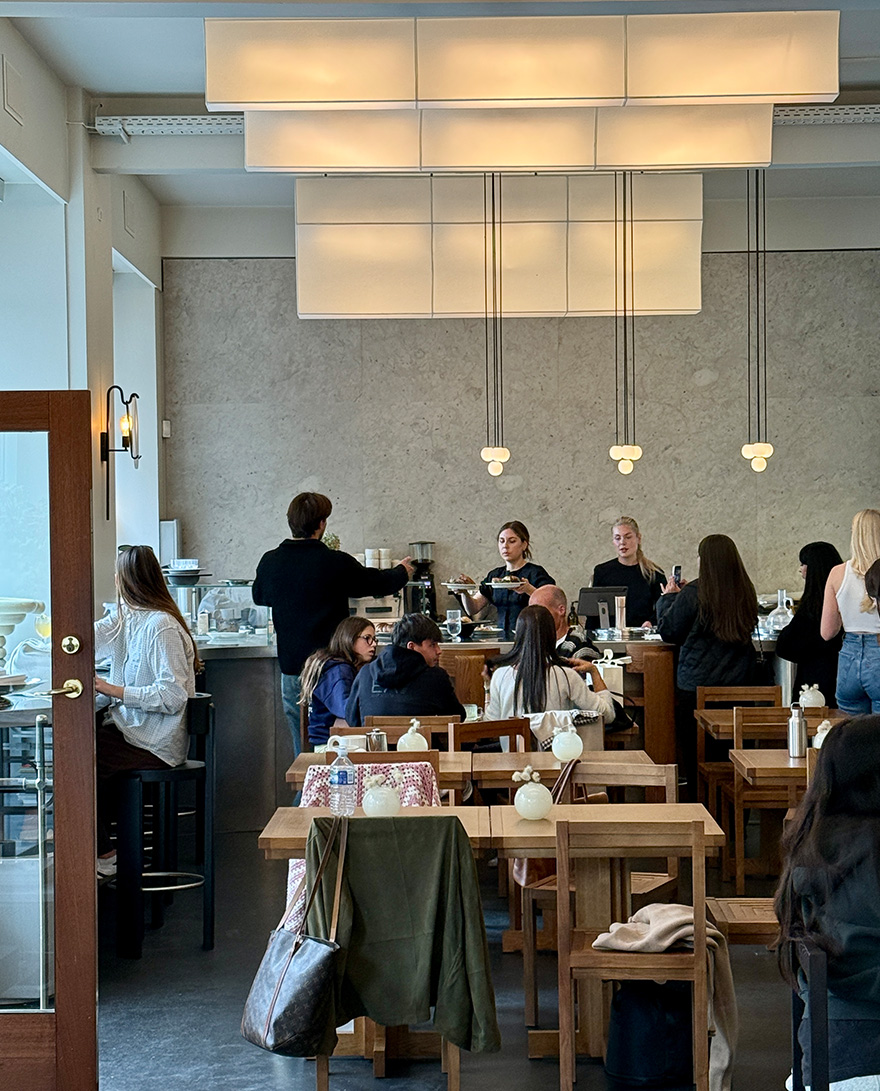
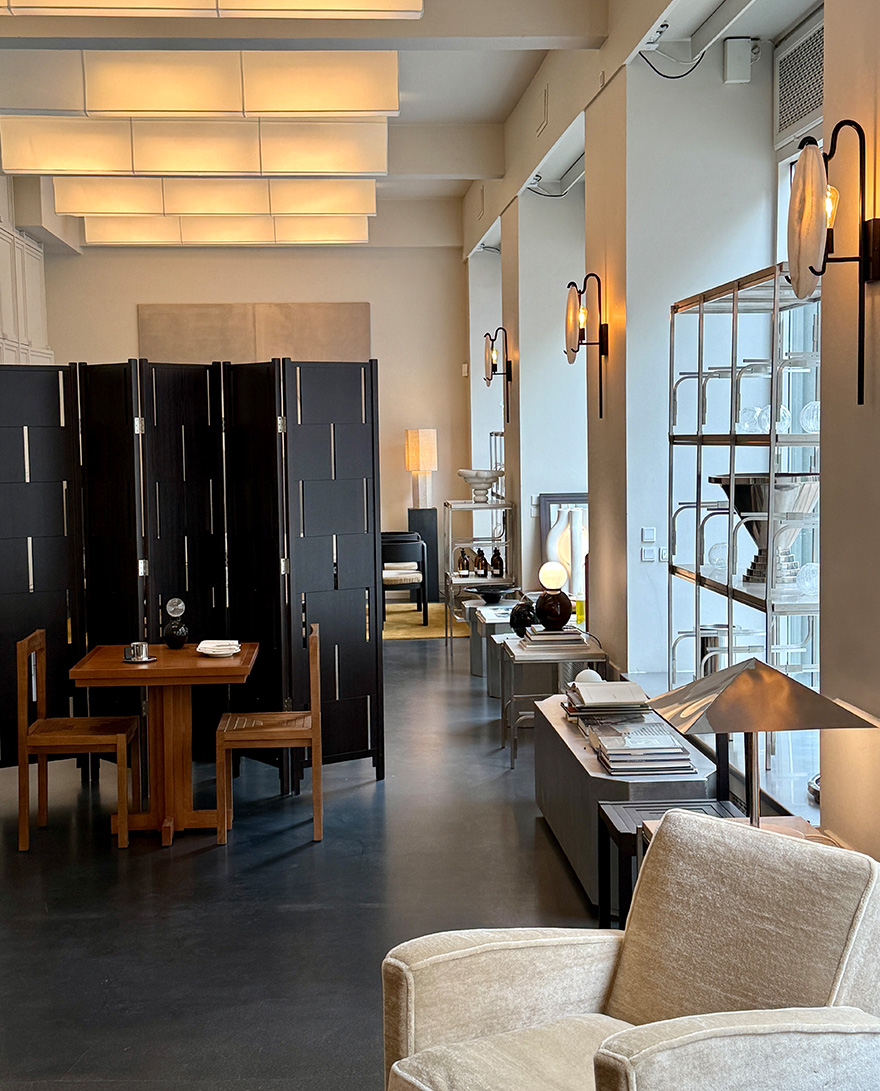
APOTEK 57
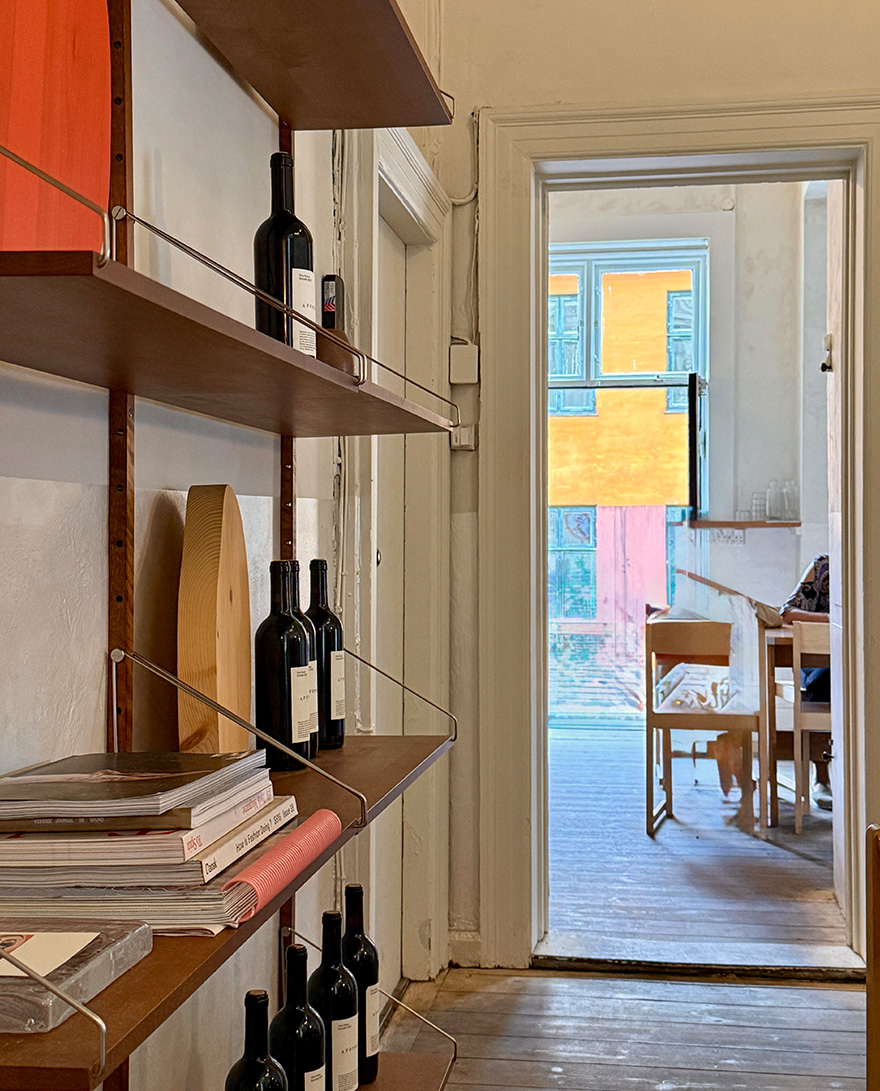
Apotek 57 carries the same restrained minimalist palette and architectural character as the FRAMA store next door. The café (below left) serves a simple, seasonal breakfast and lunch, with good bread, toasted sandwiches, tarts and changing cakes.
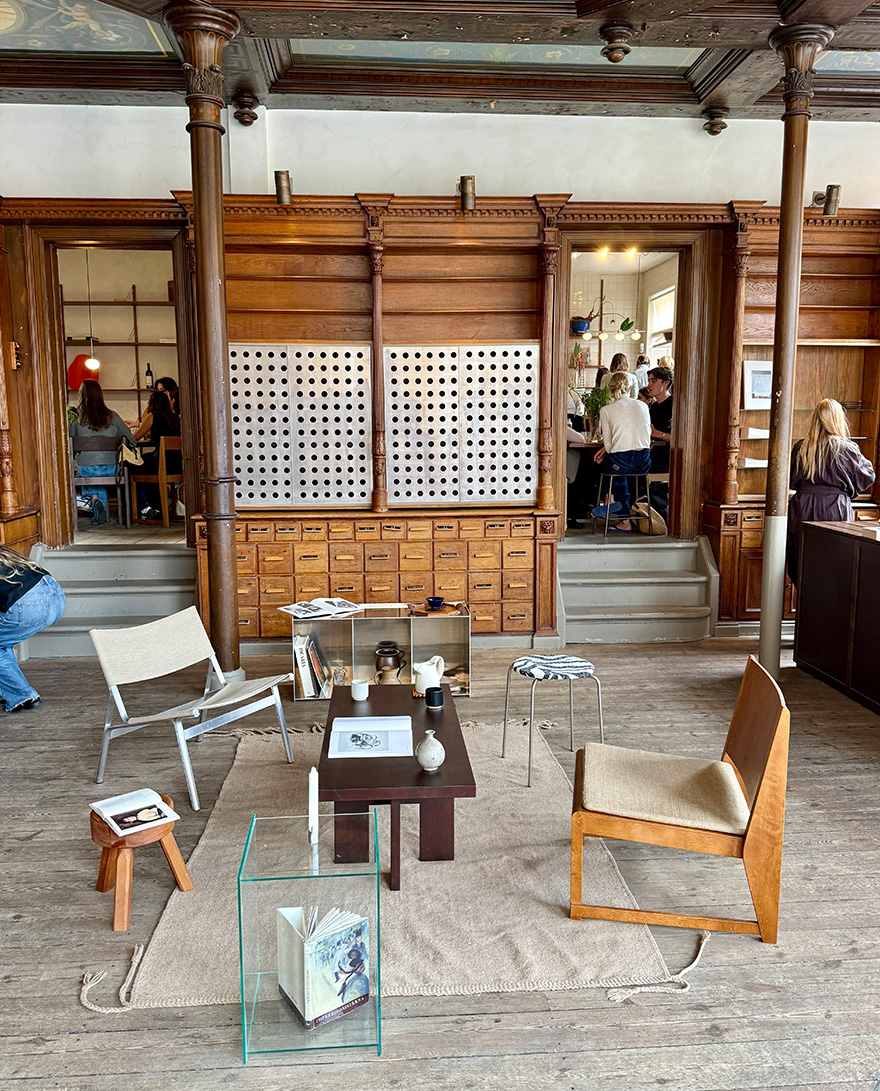
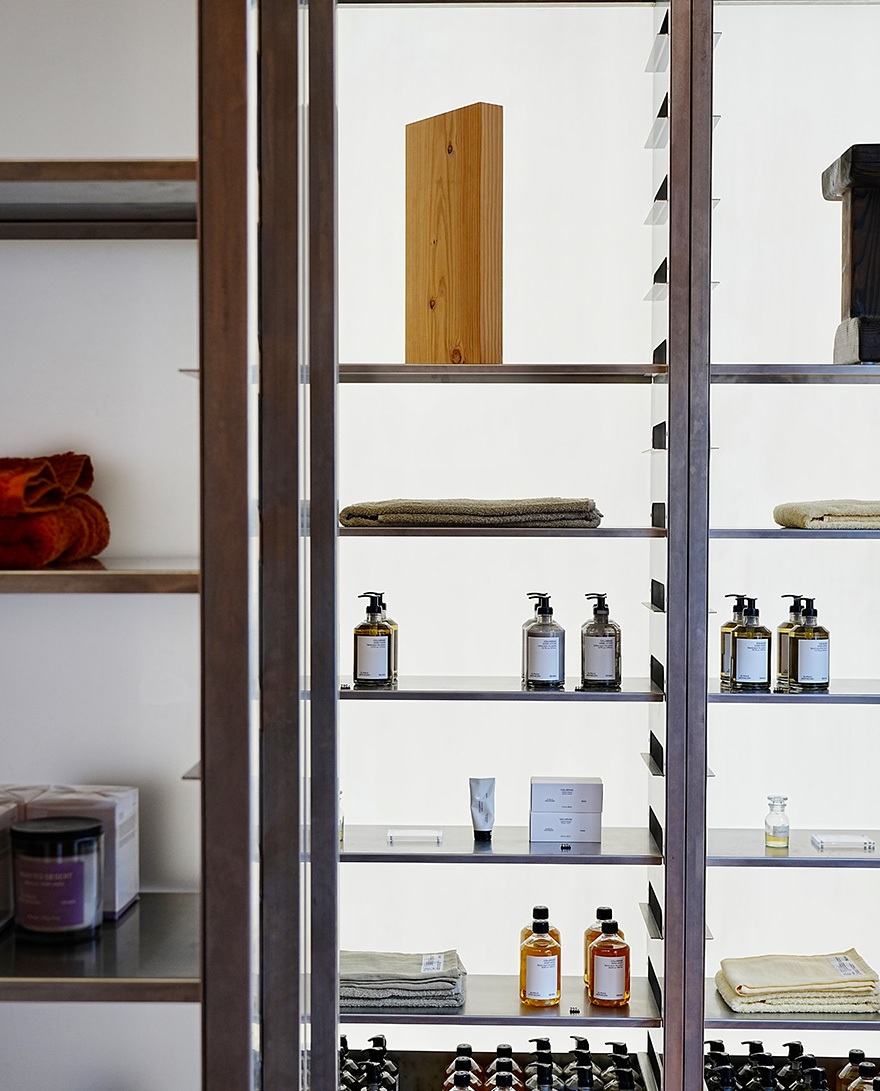
The FRAMA store occupies the beautifully preserved former St Paul’s Pharmacy, dating from 1878 (below middle and right). The old apothecary cabinets, dark wood and original details, provide an extraordinary backdrop to the brand’s restrained furniture, lighting and objects. The retail selection is relatively small, with fragrances, candles, skincare and a few accessories, but the building alone makes it worth seeing.
Coffee
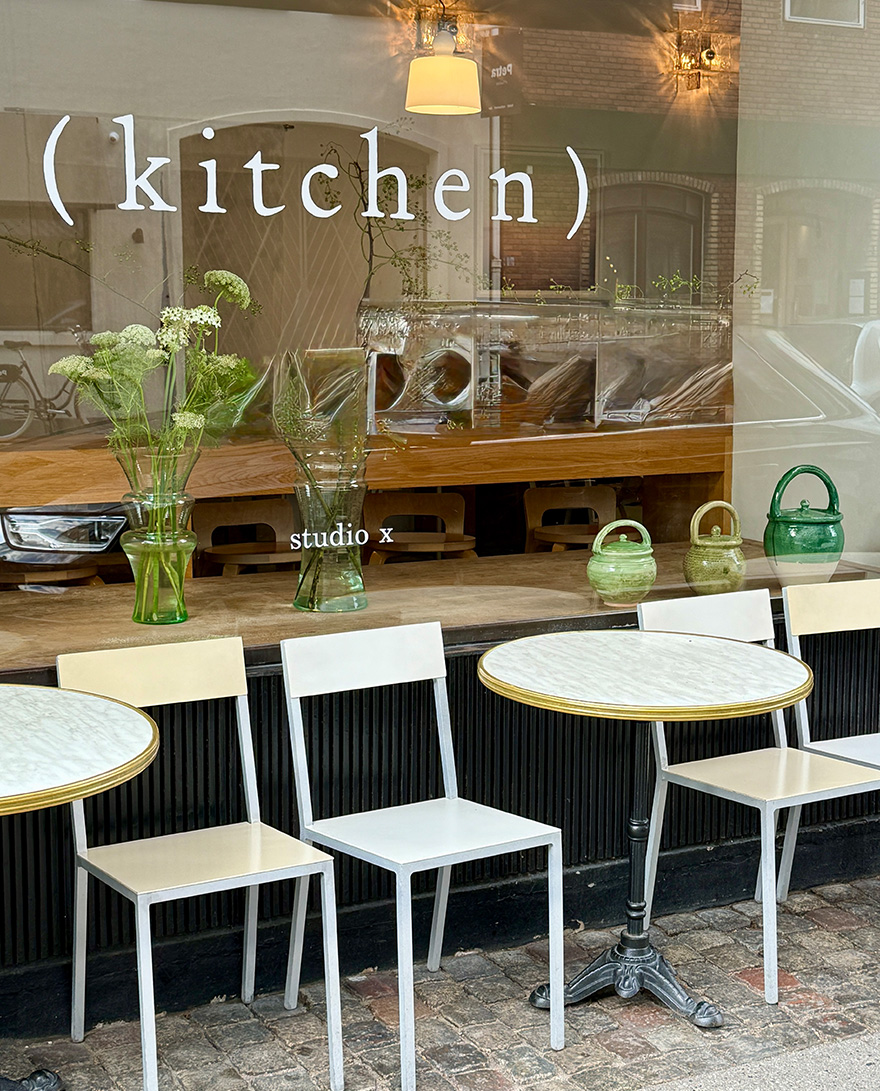
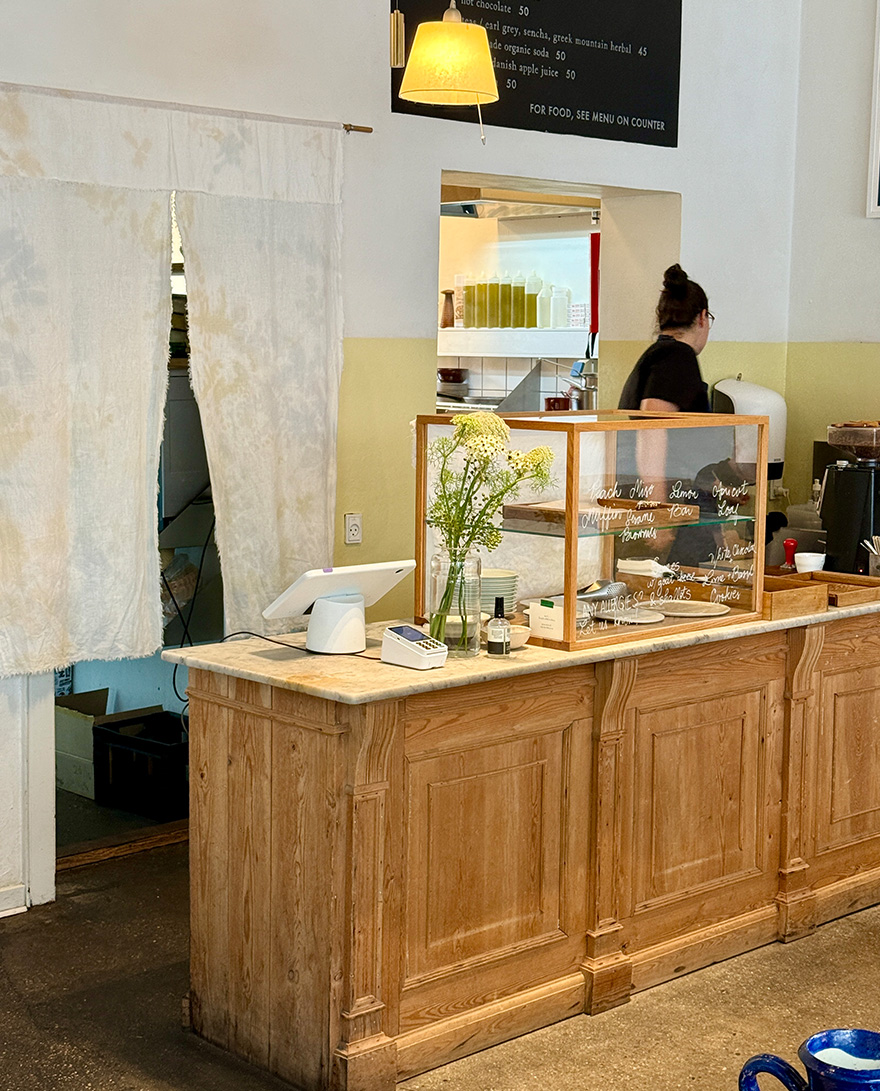
STUDIO X KITCHEN
Studio X Kitchen is a chic, minimal café and design space with a restrained palette, simple furniture and neatly presented seasonal plates. It is a calm option for coffee or a light lunch.
Bakery
ANDERSEN & MAILLARD
Andersen & Maillard is small, but the baking is excellent. It is best known for laminated pastries, croissants and carefully made cakes, alongside properly serious coffee. The pastries are beautifully formed without becoming fussy; arrive earlier in the day for the best choice.
Museum
DESIGNMUSEUM DANMARK
Designmuseum Danmark gives useful context to everything in the surrounding shops, tracing Danish furniture, craft, fashion and product design through historic and contemporary collections. The displays help explain why figures such as Kaare Klint, Arne Jacobsen, Hans J. Wegner and Poul Kjærholm remain so influential.
Do - Nyboder
NYBODER
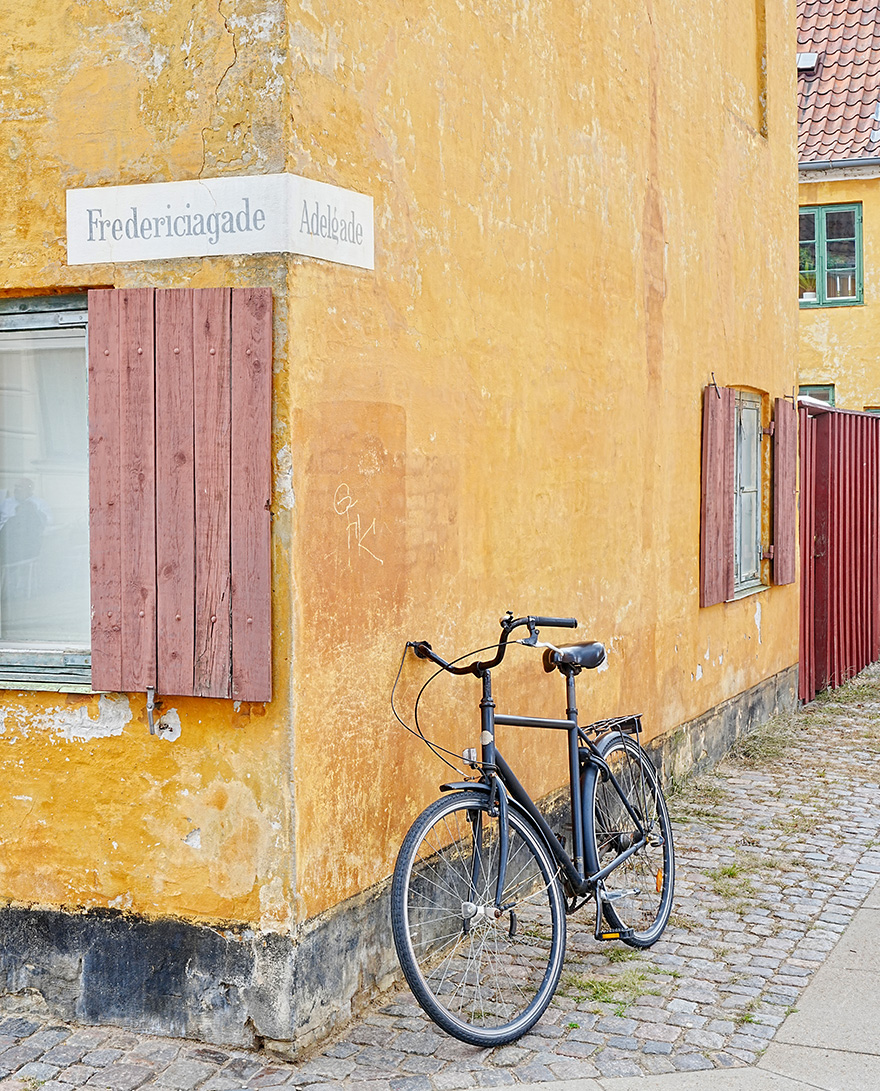
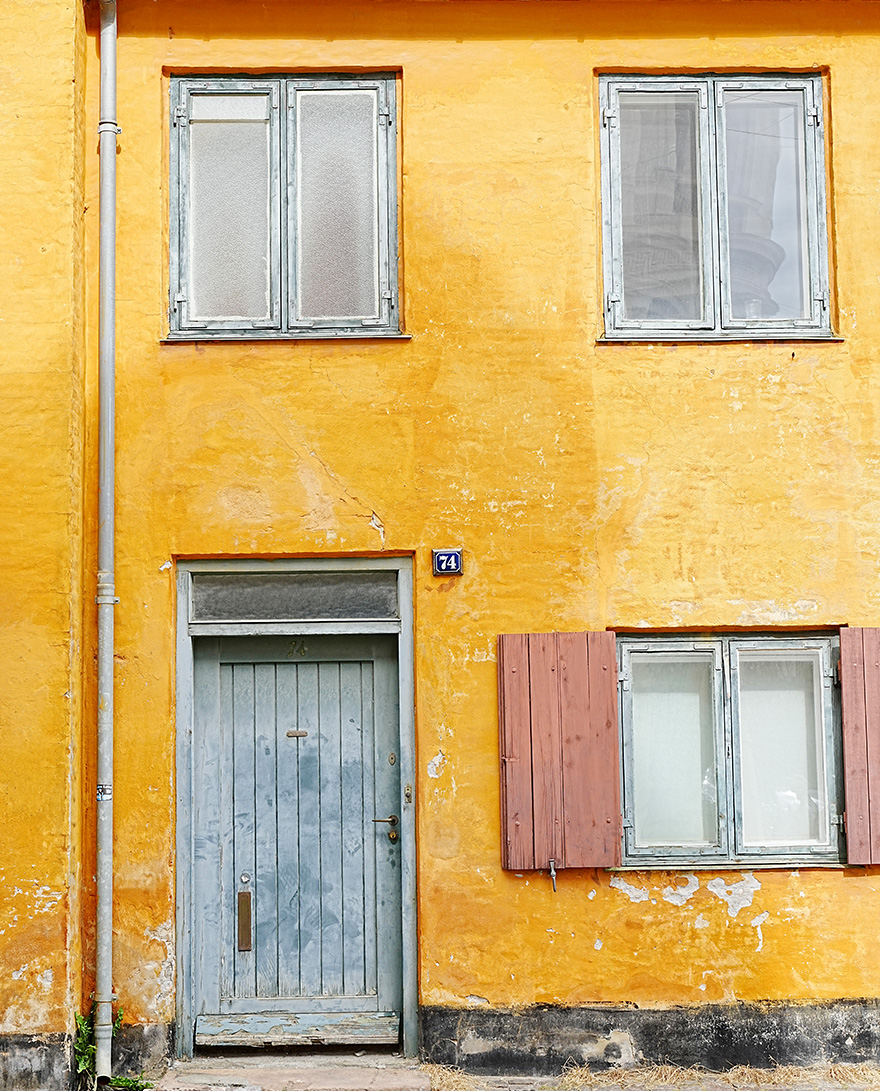
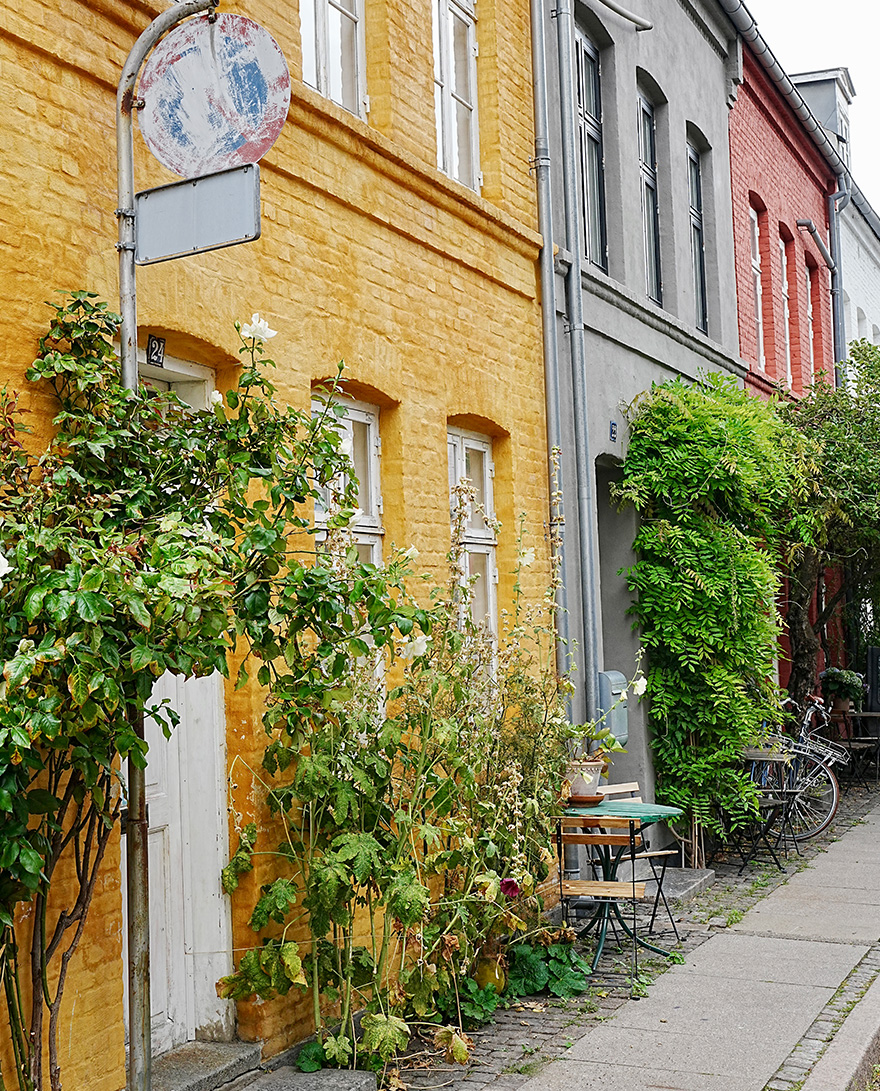
Nyboder is formed by long rows of distinctive ochre houses first built in the 17th century as accommodation for naval personnel (below left and middle). The repeated façades, small windows and cobbled streets feel almost village-like despite being close to the centre. Nearby Krusemyntegade (below right) is a tiny residential street lined with houses in different colours. Both are quietest and most photogenic early or late in the day.
Brunch and lunch
ATELIER SEPTEMBER
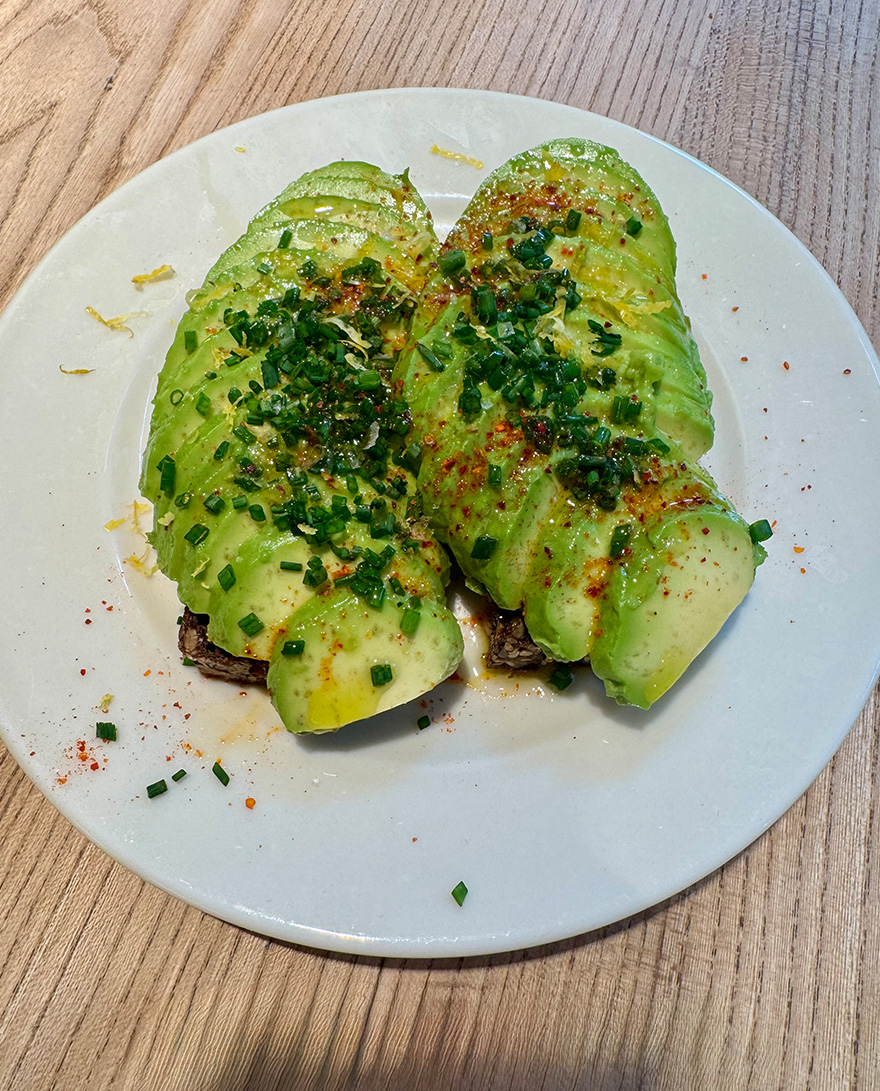
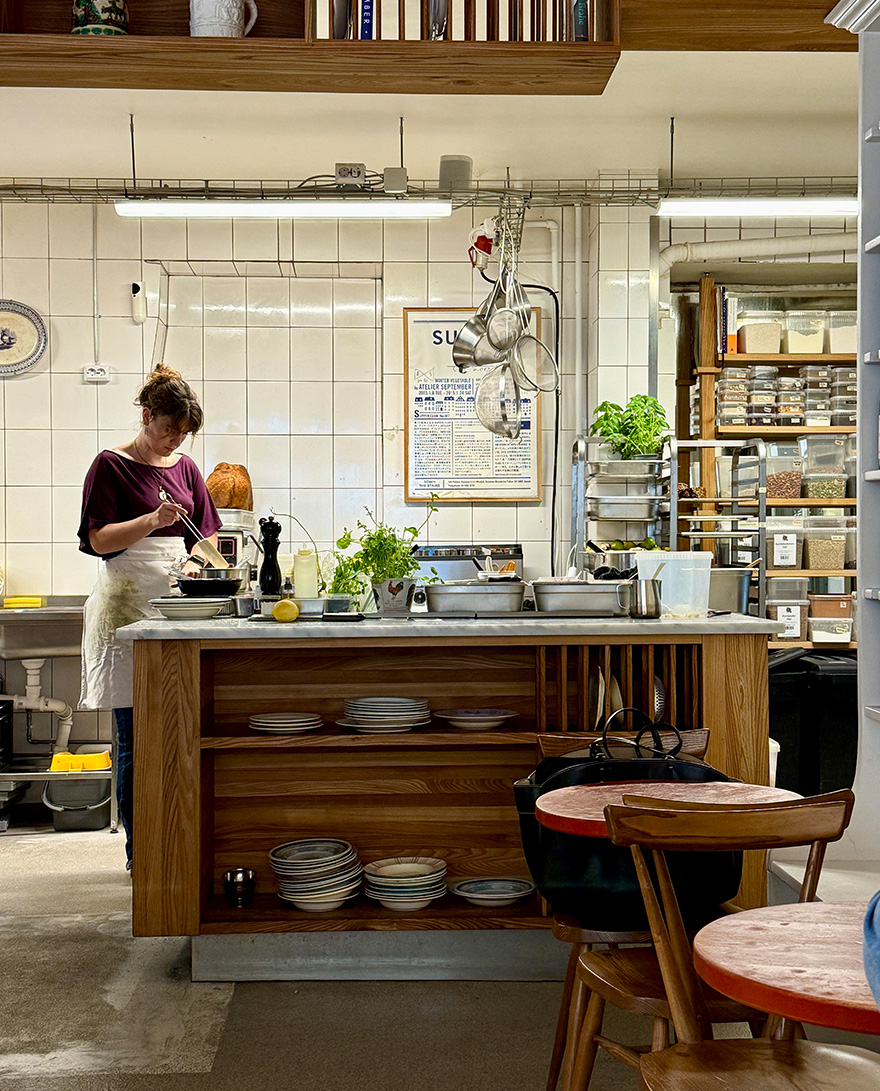
Atelier September has become one of Copenhagen’s best-known cafés and can be very busy, but its avocado on rye remains the city’s benchmark breakfast/brunch in our book! The rooms are pale, simple and filled with well-chosen furniture, ceramics and flowers. Go early, accept that there may be a queue and keep the order classic: rye bread, eggs, yoghurt, coffee and something sweet.
BOTTEGA BARLIE
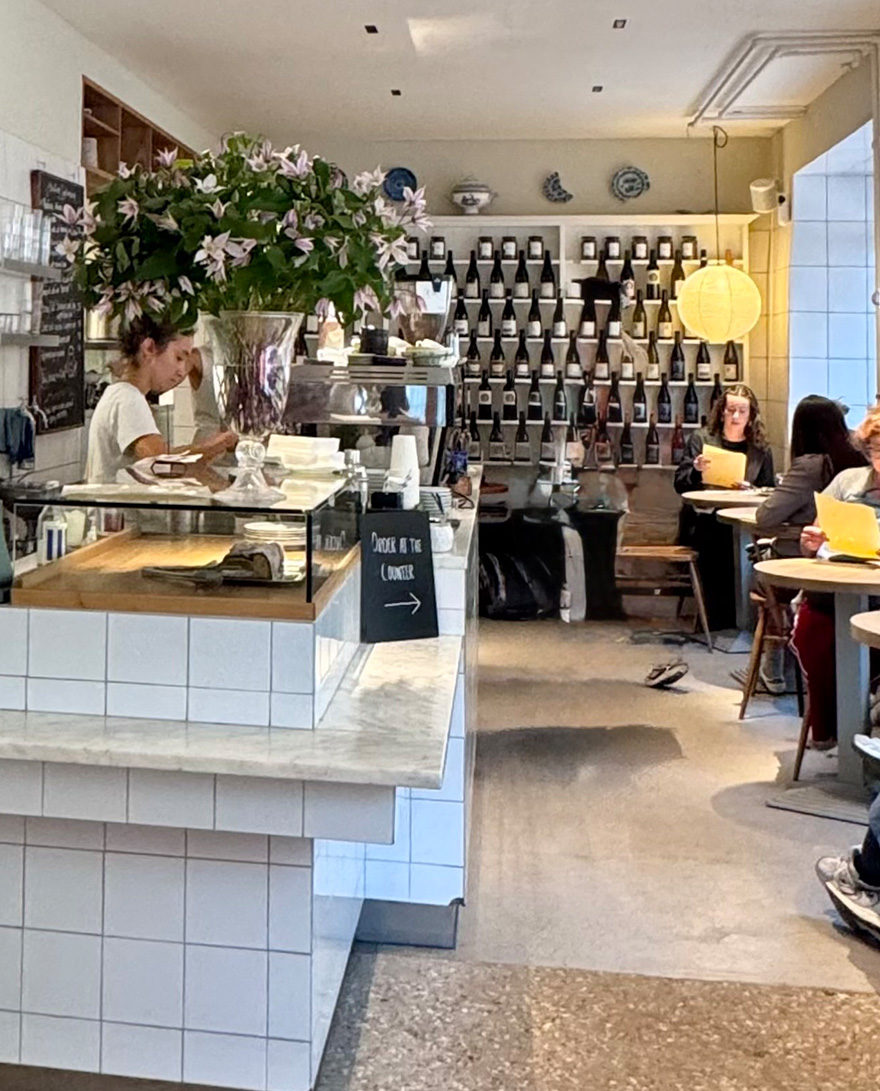
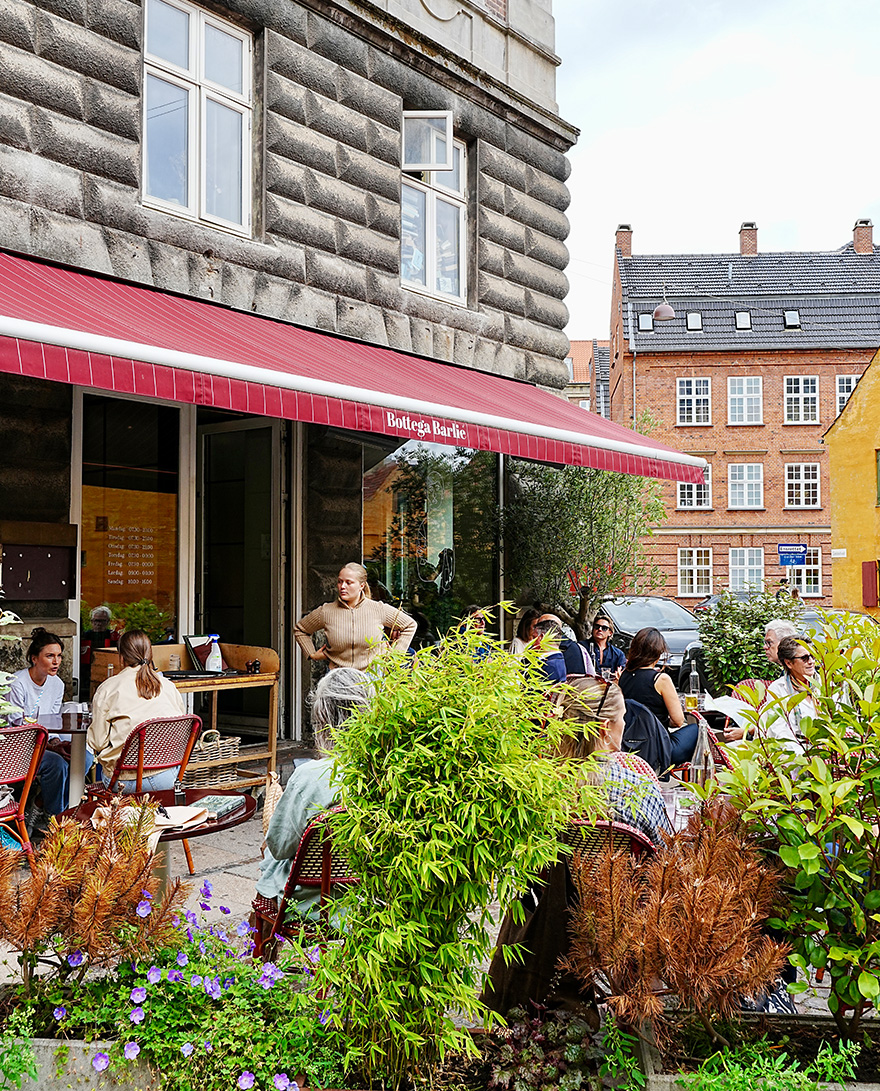
Bottega Barlie is a lively neighbourhood restaurant and wine bar that works from breakfast through to the evening that our daughter loved on her visit to Copenghagen. The room is informal, with bare walls, flowers and closely packed tables, and the mood is usually full of conversation.
Do - Magstræde
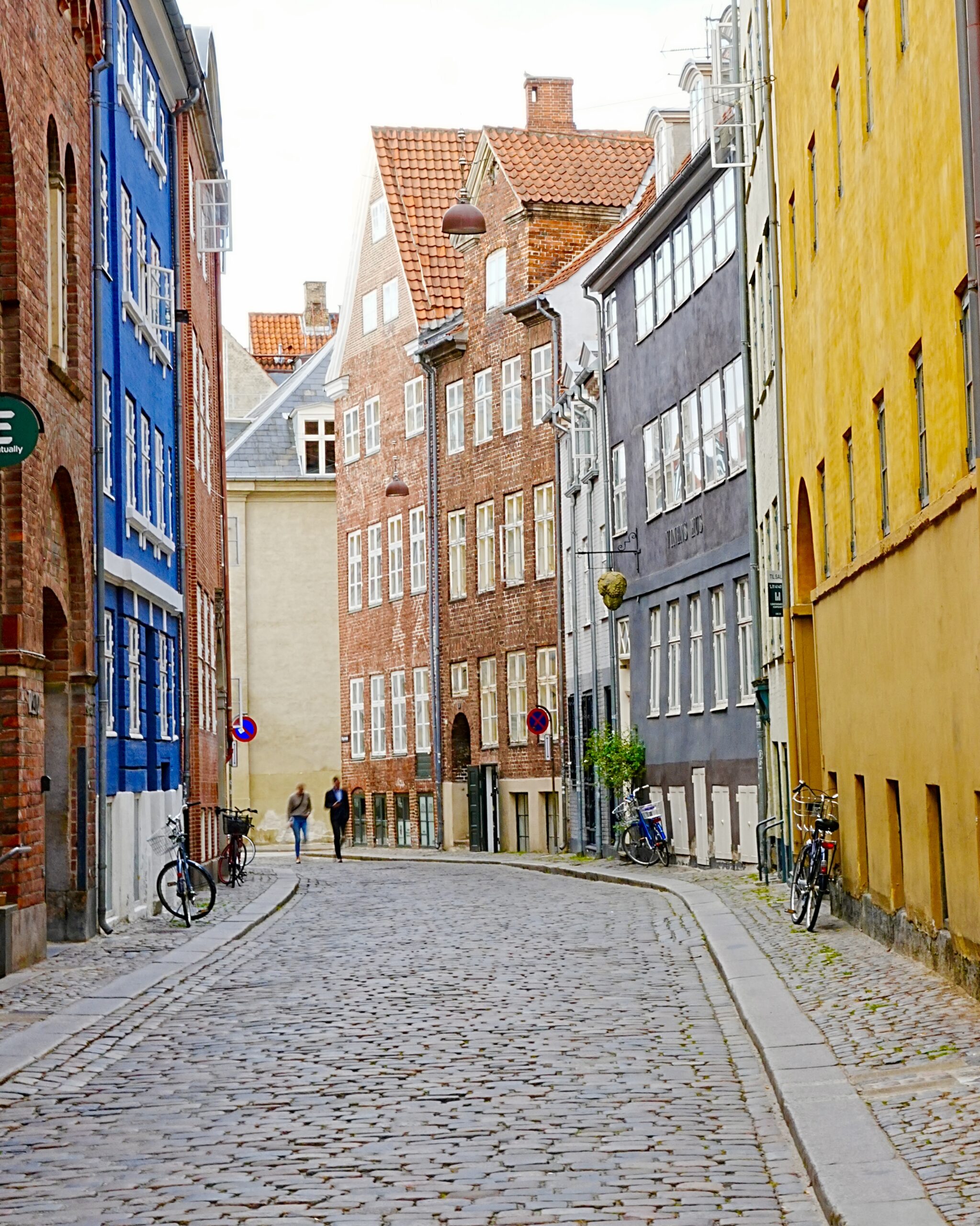
Magstræde is one of Copenhagen’s oldest streets, lined with irregular historic buildings in ochre, pink and red. Together with nearby Snaregade and the small surrounding squares, it gives a compact view of old Copenhagen away from the grander royal streets. We went at the end of the day, when the walking tours had thinned out, then continued to Ruby for a drink.
Drink
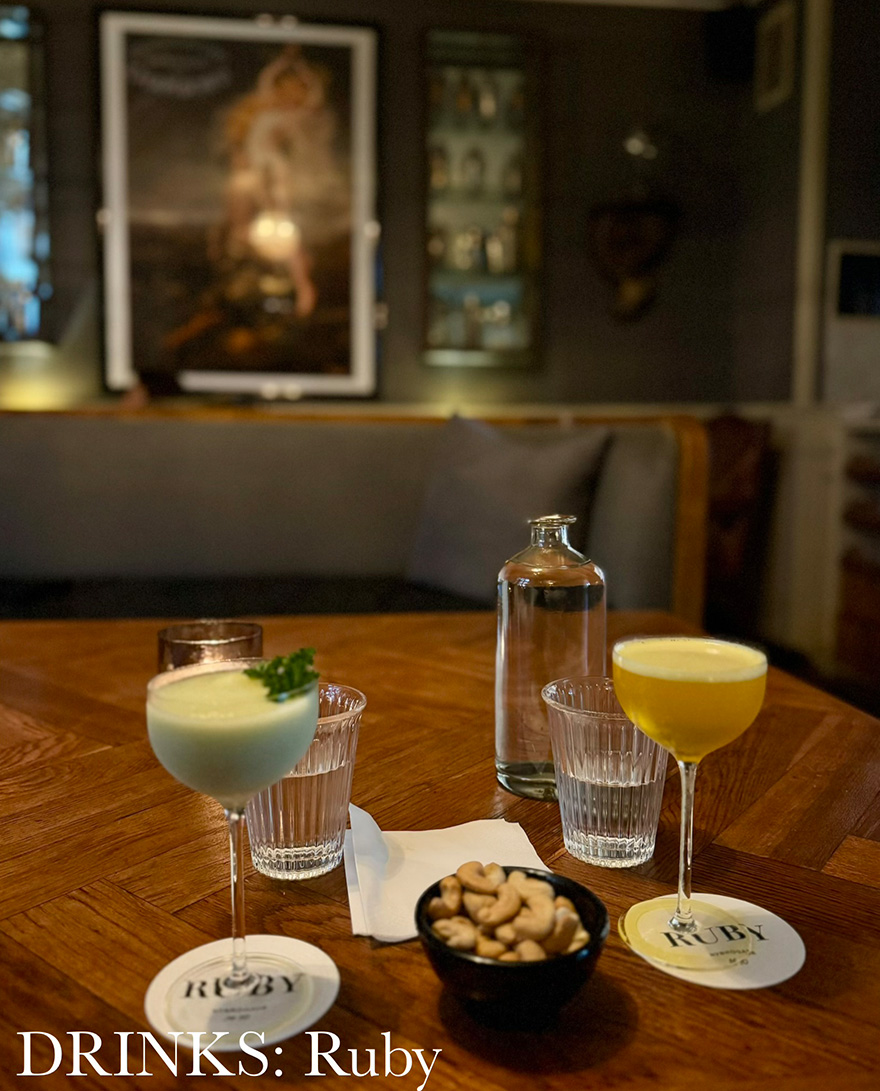
RUBY
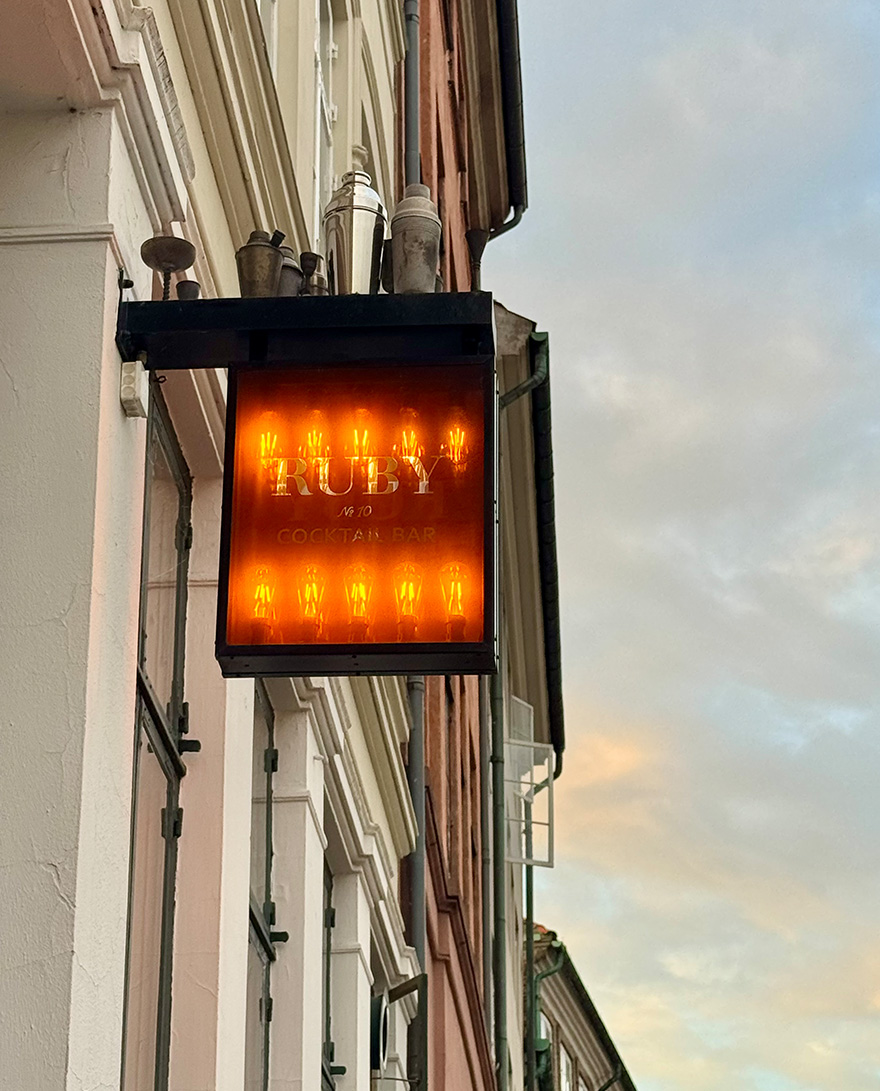
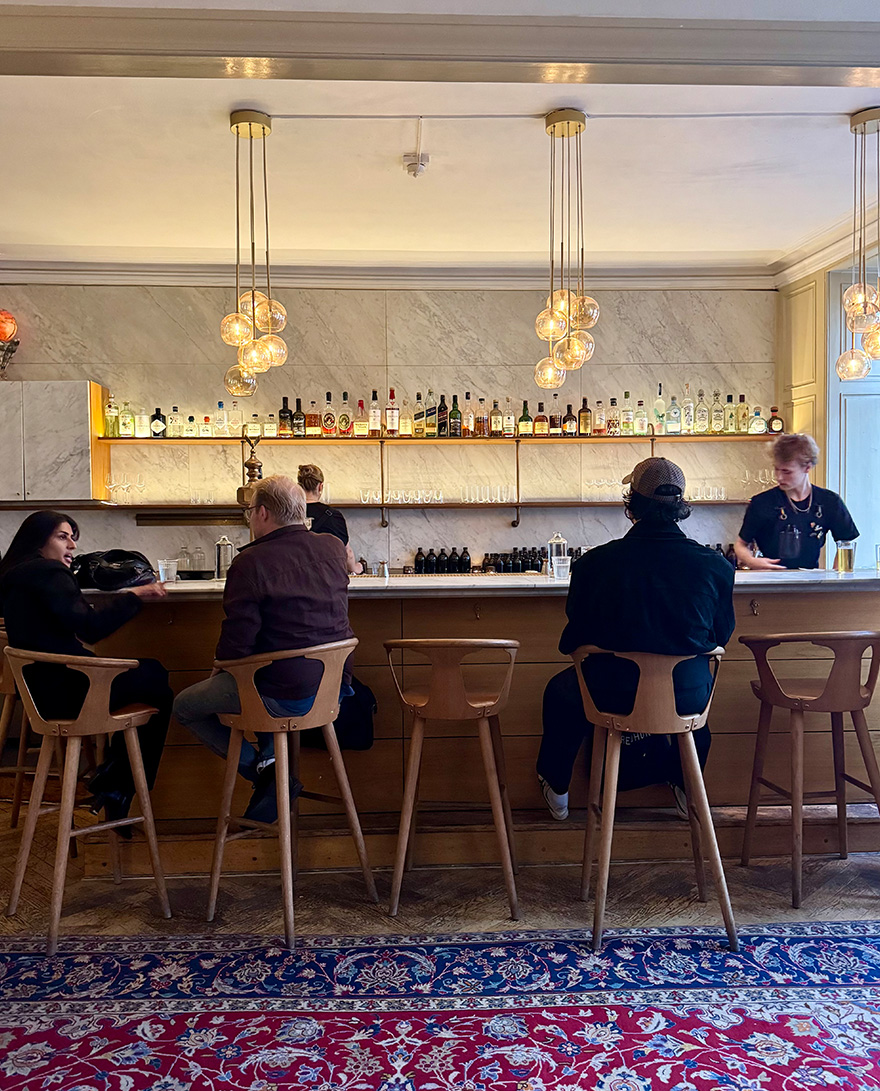
Ruby is hidden inside an 18th-century townhouse close to the canal, with no obvious cocktail-bar entrance. Inside, it feels like a series of intimate sitting rooms, with parquet floors, fireplaces, soft lighting and a lively mixed crowd. The drinks are inventive but balanced, and the bartenders are very good at guiding you through the menu. It remains one of Copenhagen’s essential cocktail bars and pairs perfectly with an early evening walk around Magstræde.
Do - Nørrebro
JÆGERSBORGGADE
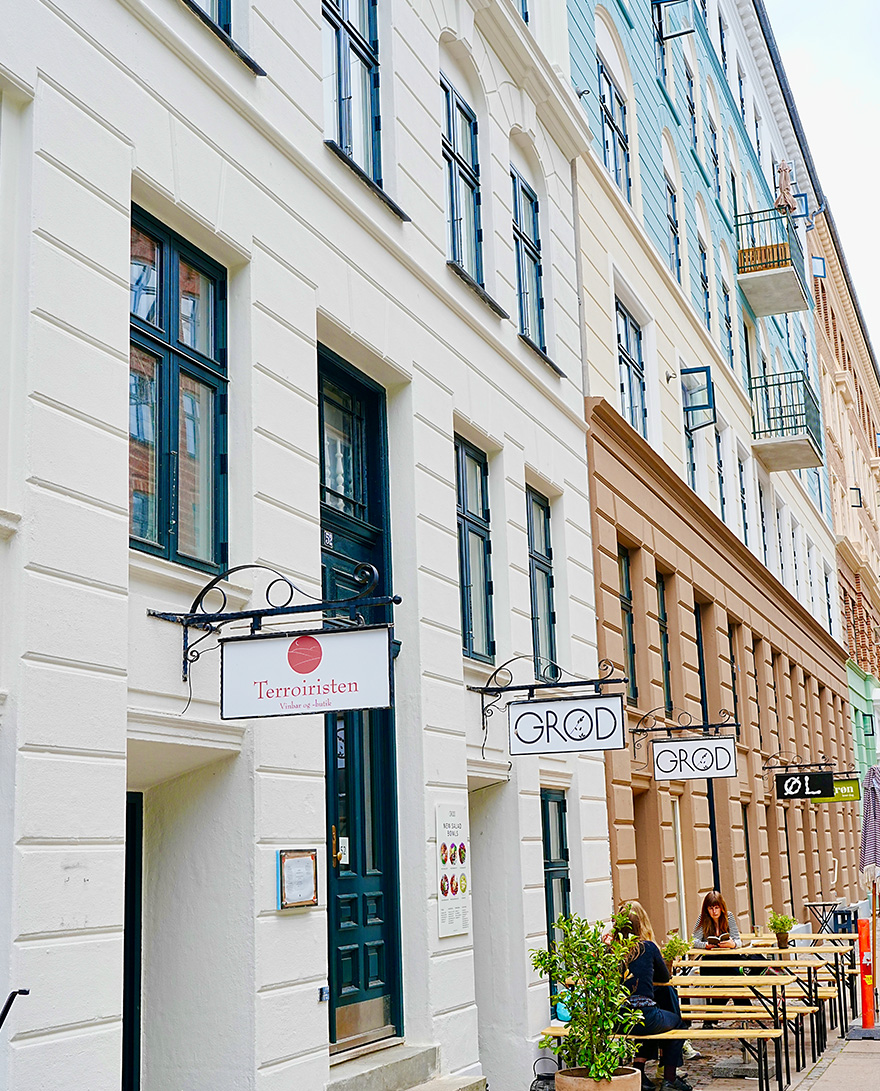
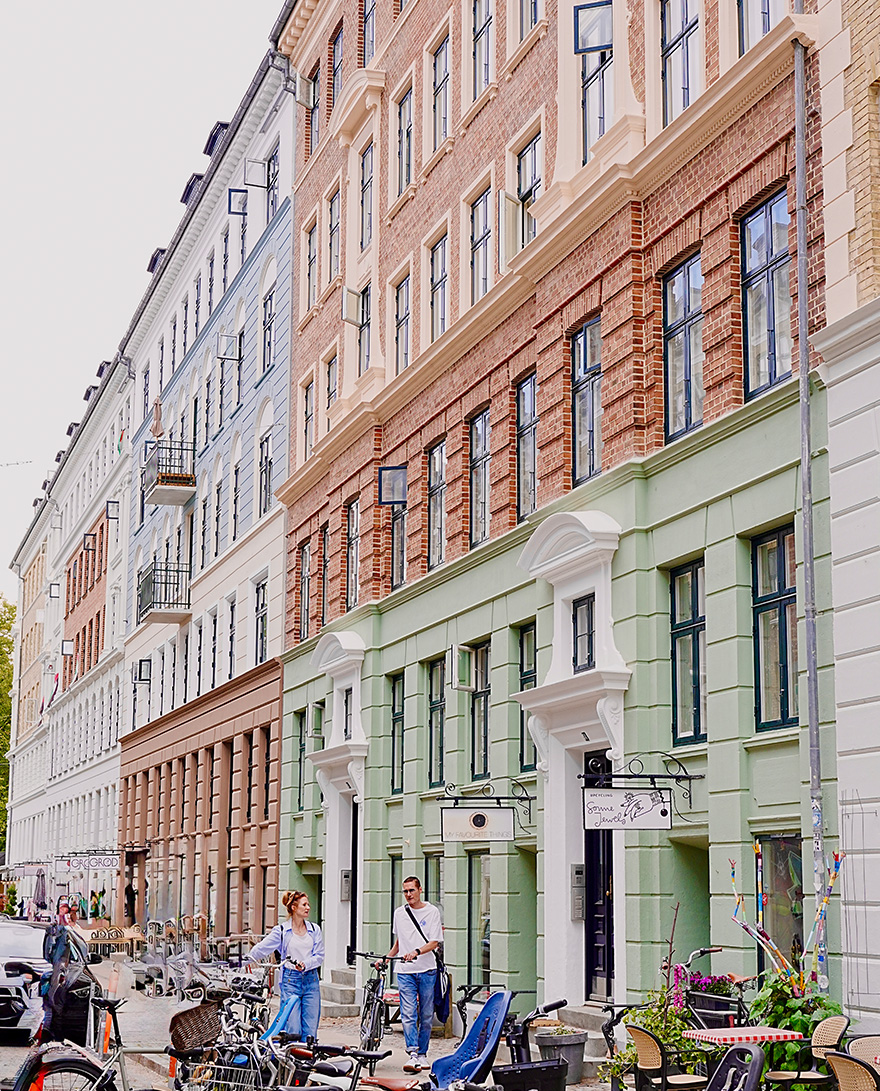
Jægersborggade is about 10” bike ride from the centre of town, with Nørrebro the main street to head for. Pretty pastel-painted buildings hold small independent fashion boutiques, ceramic studios, jewellers, bakeries, coffee shops and wine bars. It has a a more local and individual feel to the centre of Copenhagen. The street is compact, but it is easy to spend a couple of hours browsing and stopping for coffee along the way.
Shop
DAMERNES MAGASIN
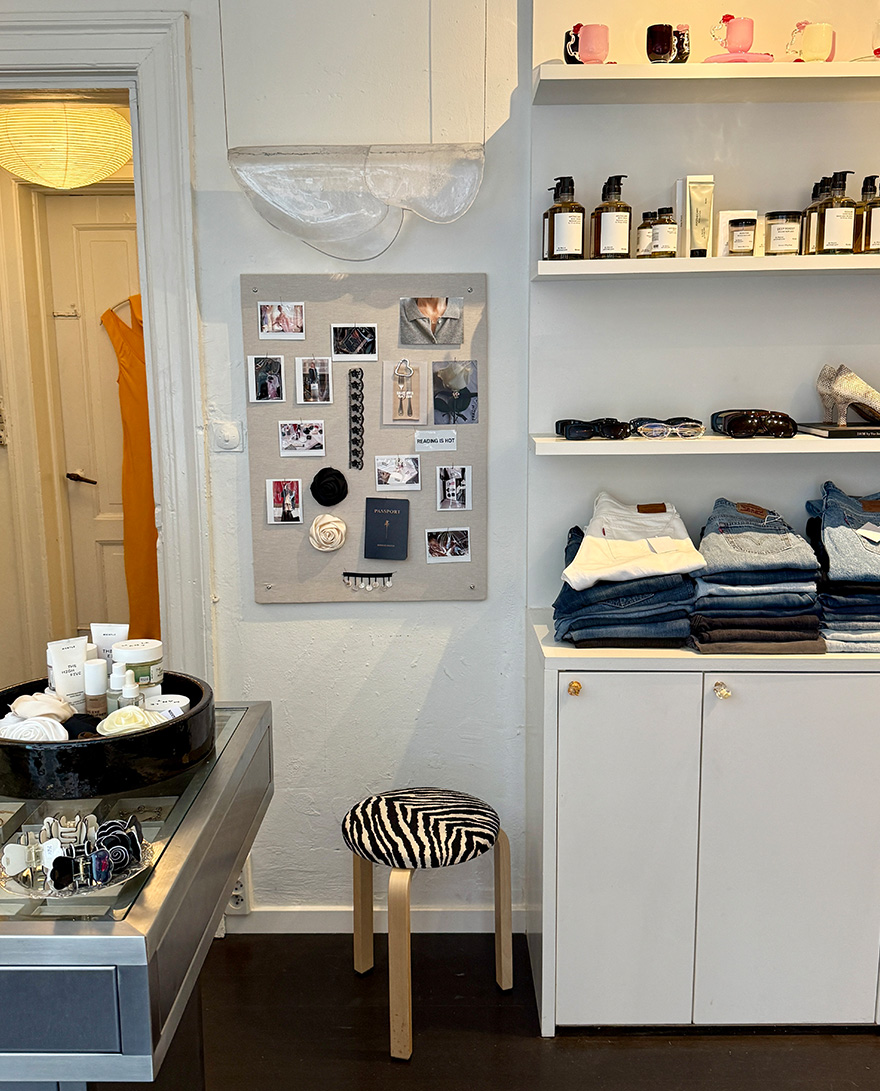
Damernes Magasin at number 29 is a small women’s boutique with an independent edit of clothing, accessories and useful everyday pieces. It has the personal feel that makes shopping on Jægersborggade more interesting than visiting another chain.
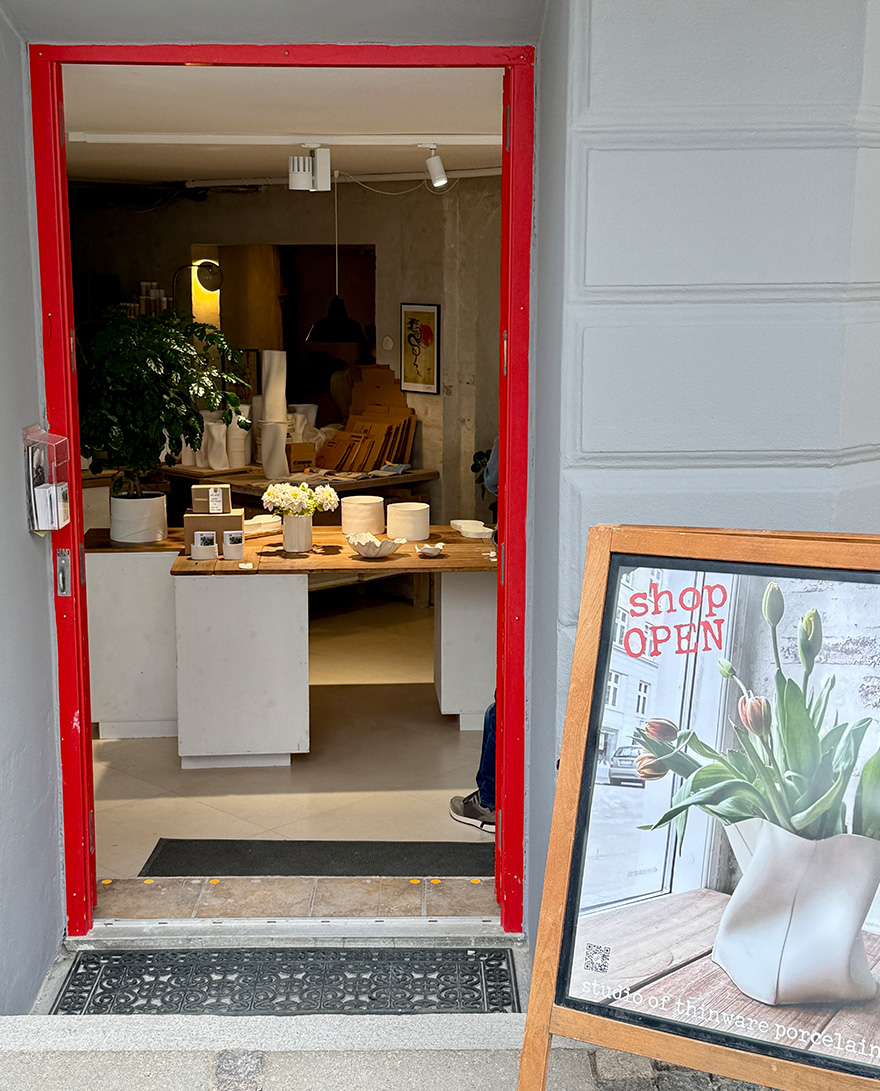
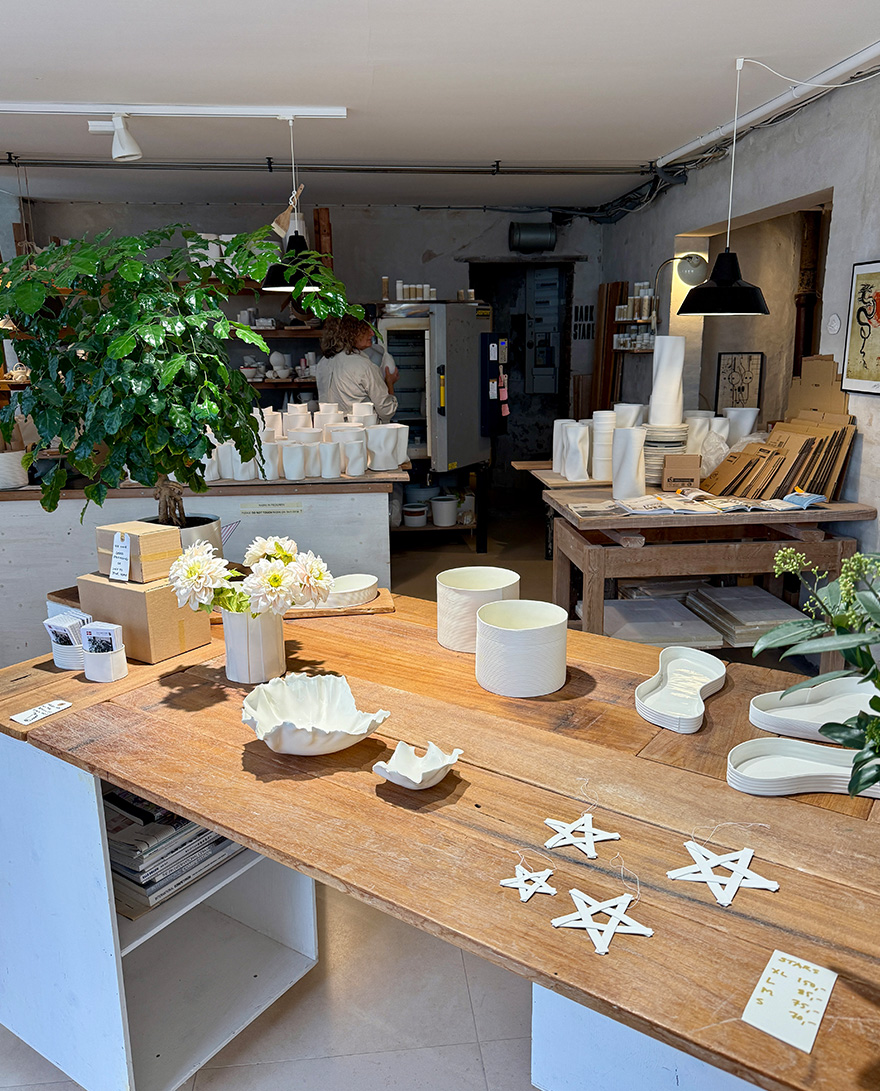
KERAMIKER INGE VINCENTS
Inge Vincents at number 43 is a Copenhagen-based ceramicist known for her incredibly thin, almost paper-like porcelain pieces. Each one is handmade, with delicate irregular edges and a slightly translucent quality that makes them feel more like folded paper than traditional ceramics. The simple white forms are beautifully understated and very Scandinavian, ranging from small bowls and cups to larger sculptural vessels.
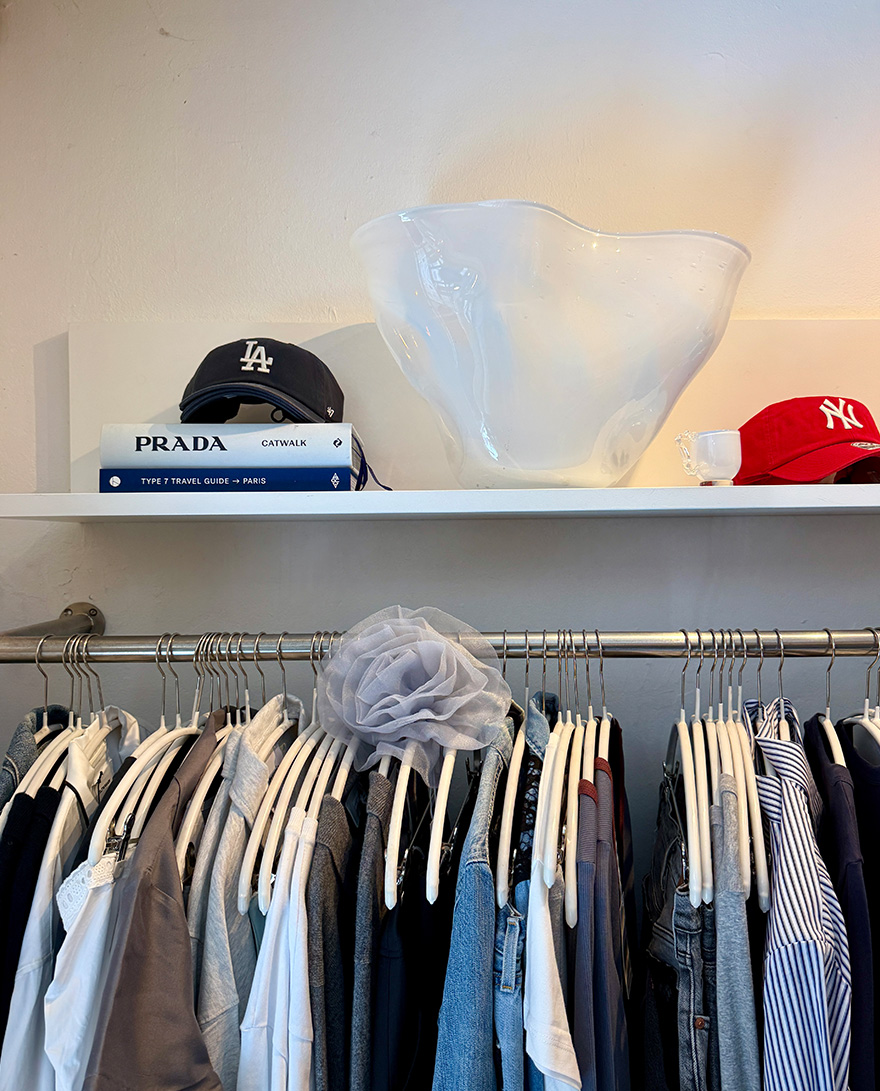
MY FAVOURITE THINGS
My Favourite Things at number 44 mixes understated clothing from brands such as Soeur, Barena and Studio Nicholson with shoes, bags, fragrance and beauty products. It is a grown-up, useful collection rather than a trend-led one, with plenty that works as part of an everyday wardrobe.
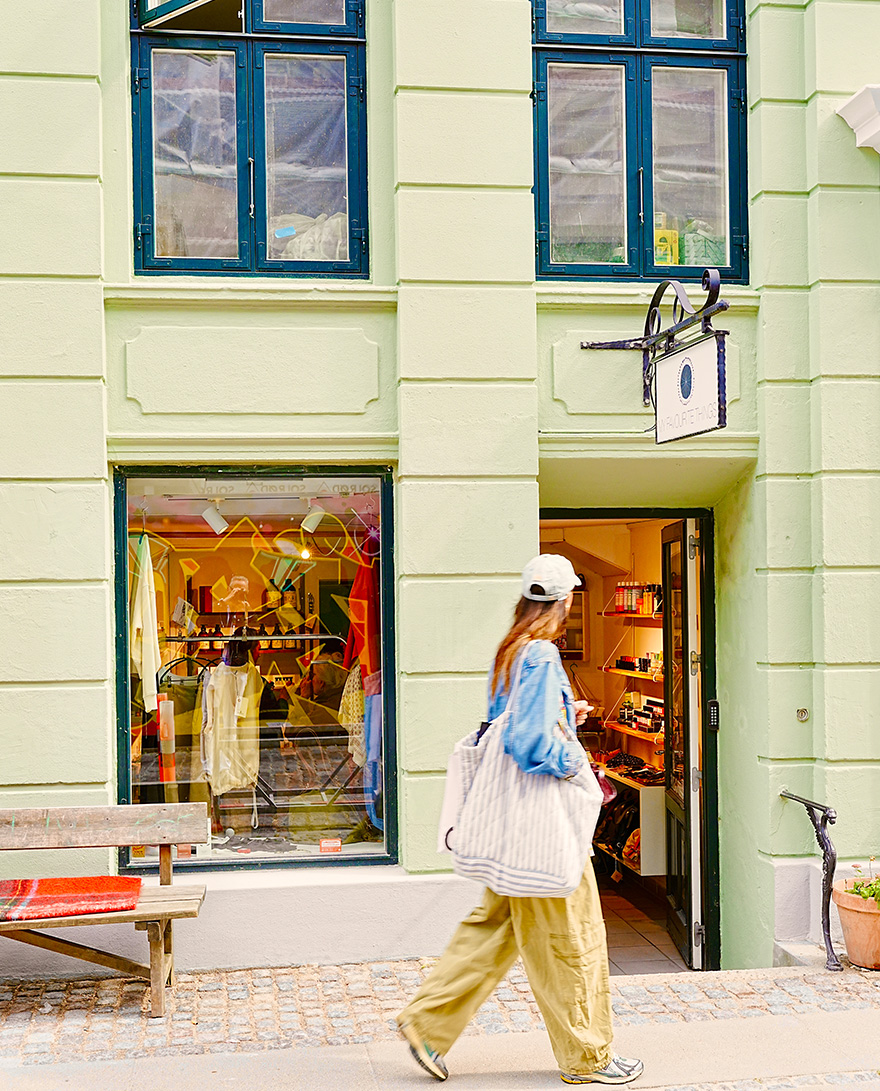
Breakfast and brunch
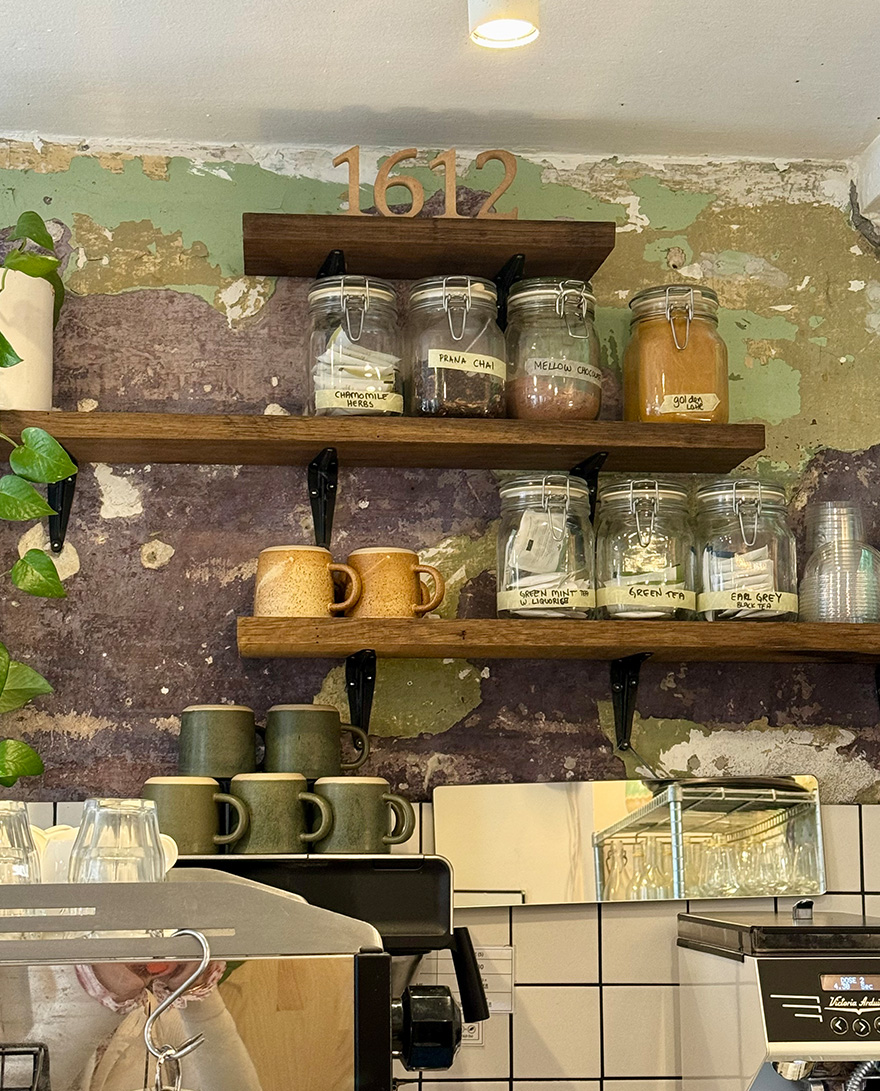
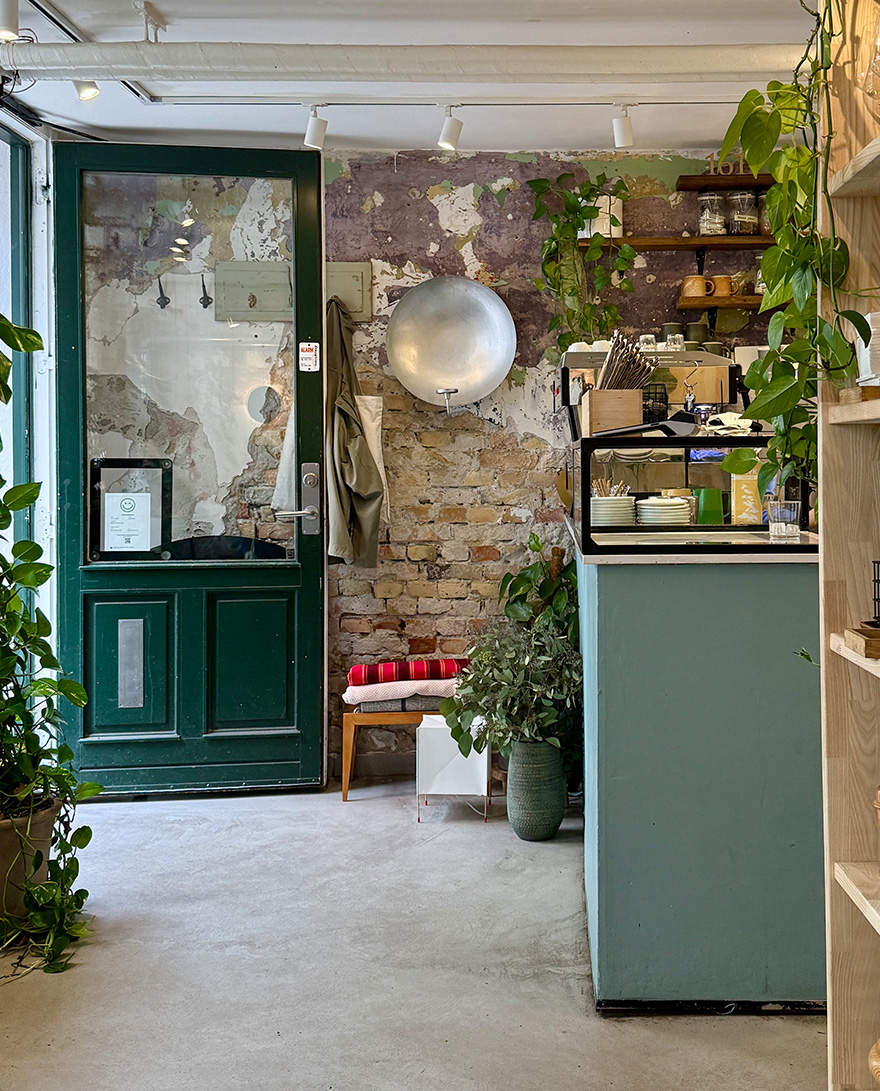
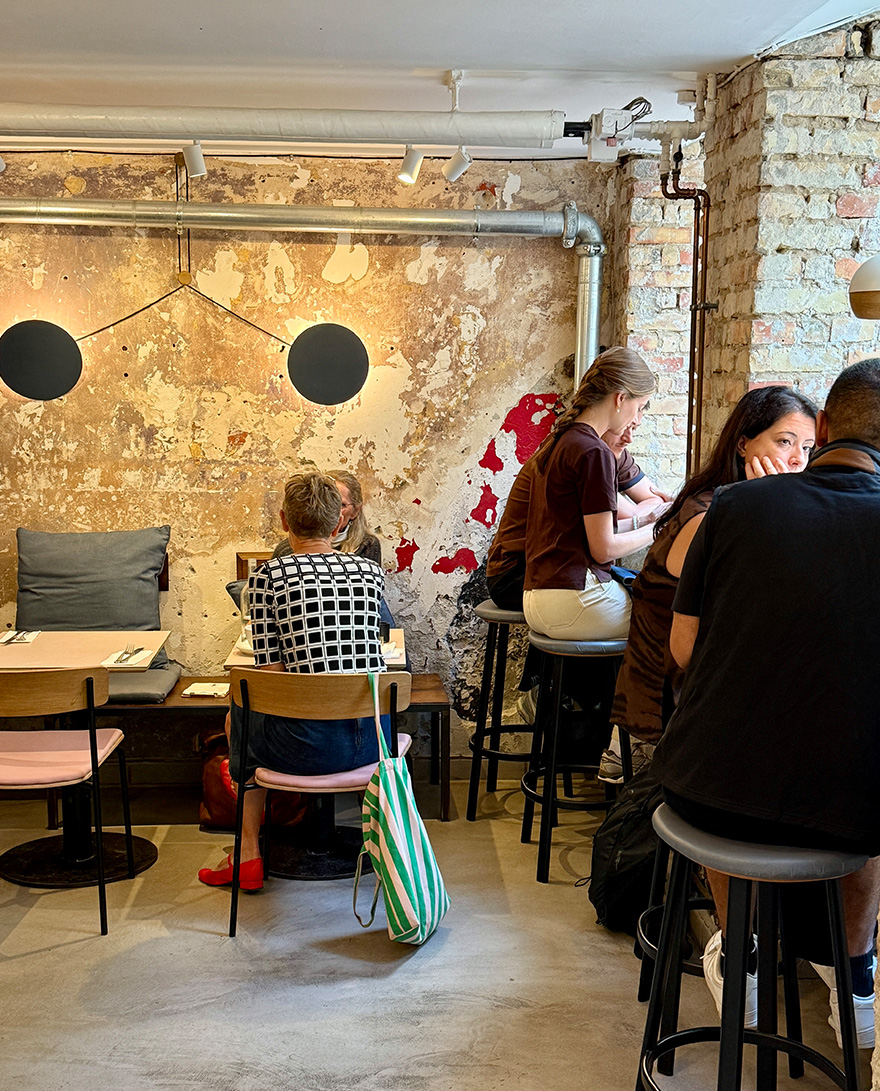
THE SIXTEEN TWELVE
The Sixteen Twelve is a cosy brunch restaurant with exposed brick, warm lighting and a menu that goes beyond standard eggs and toast. Fermentation features heavily, including sourdough, cultured ingredients and plenty of sharp, fresh flavours. It is a good place to start before the shops open on Jægersborggade.
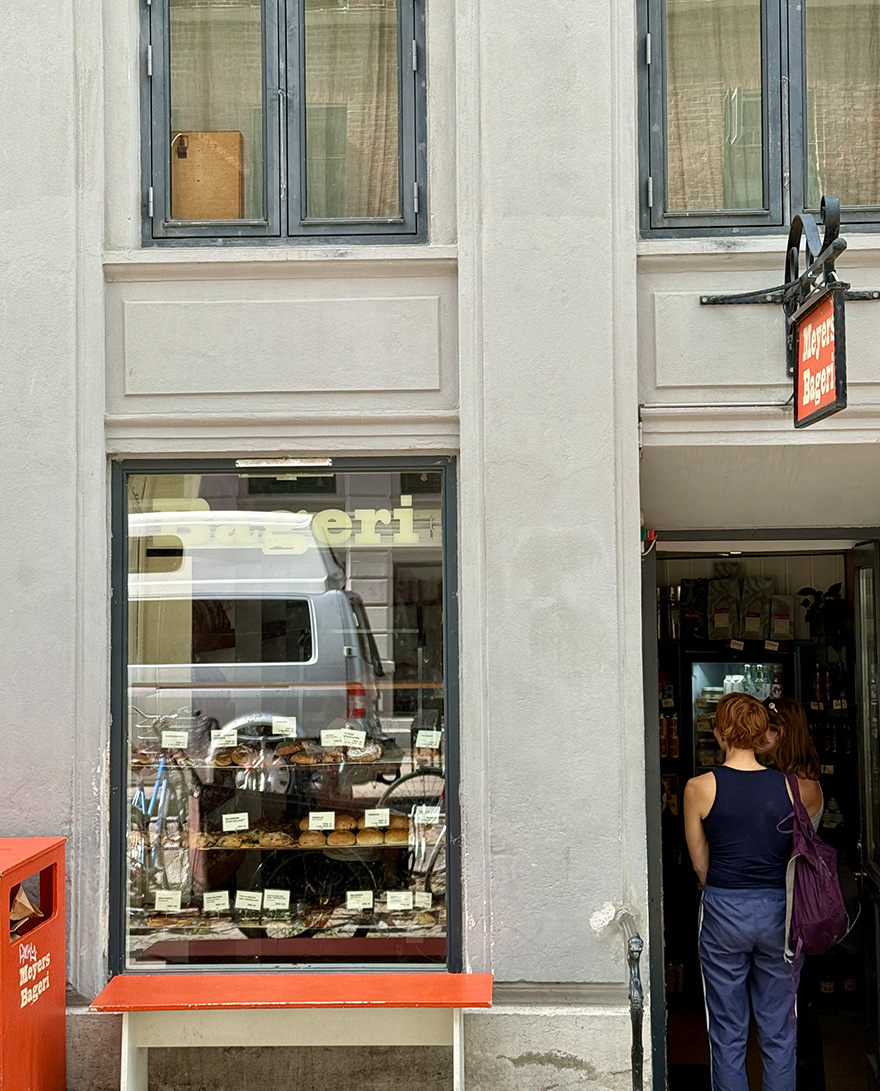
MEYERS BAGERI
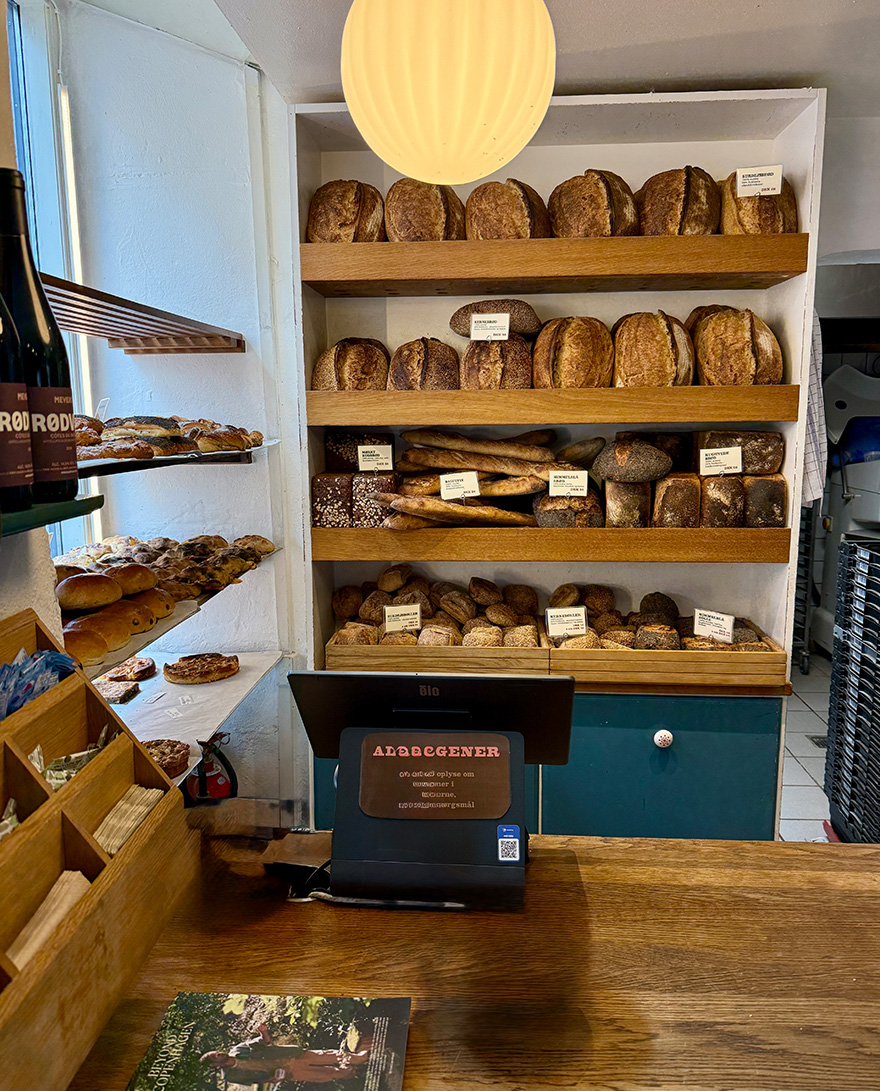
Claus Meyer’s neighbourhood bakery, Meyers Bageri on Jægersborggade, is a great stop for excellent bread and Danish baking. The buns were the best we tried, with a dark, well-baked crust and soft centre.
Coffee
COFFEE COLLECTIVE
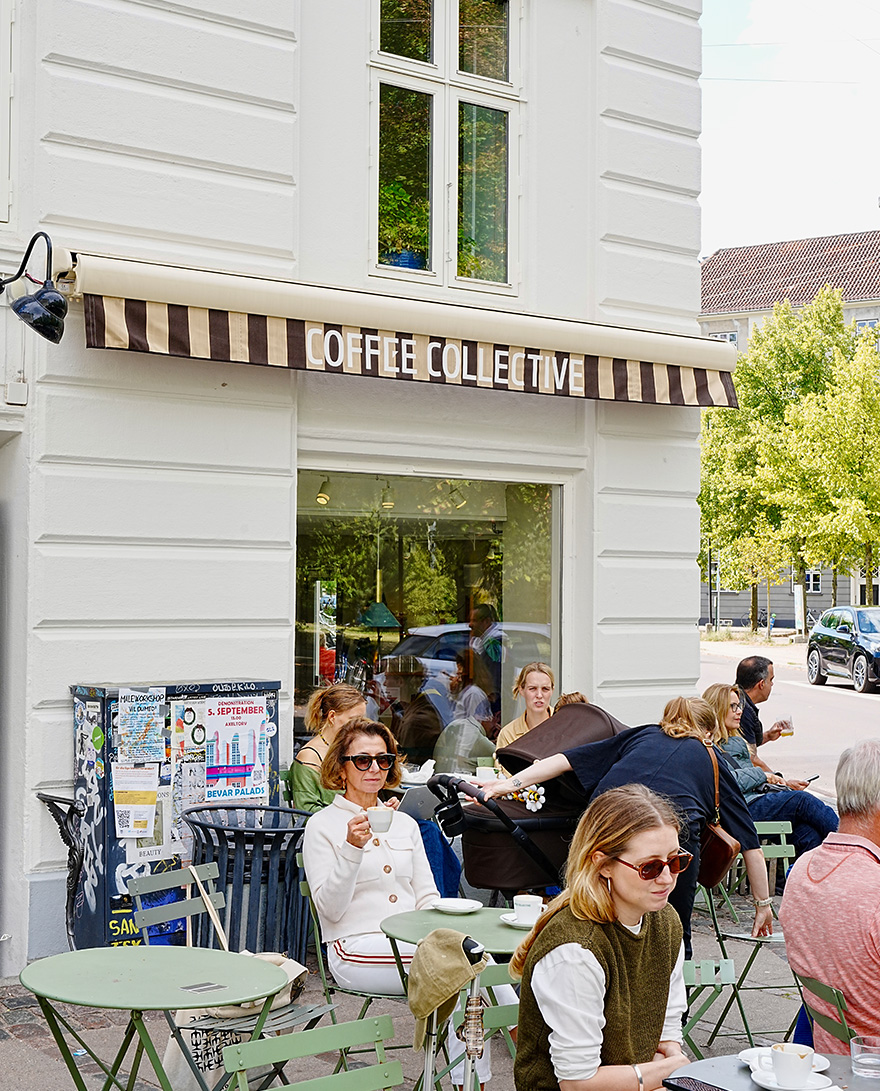
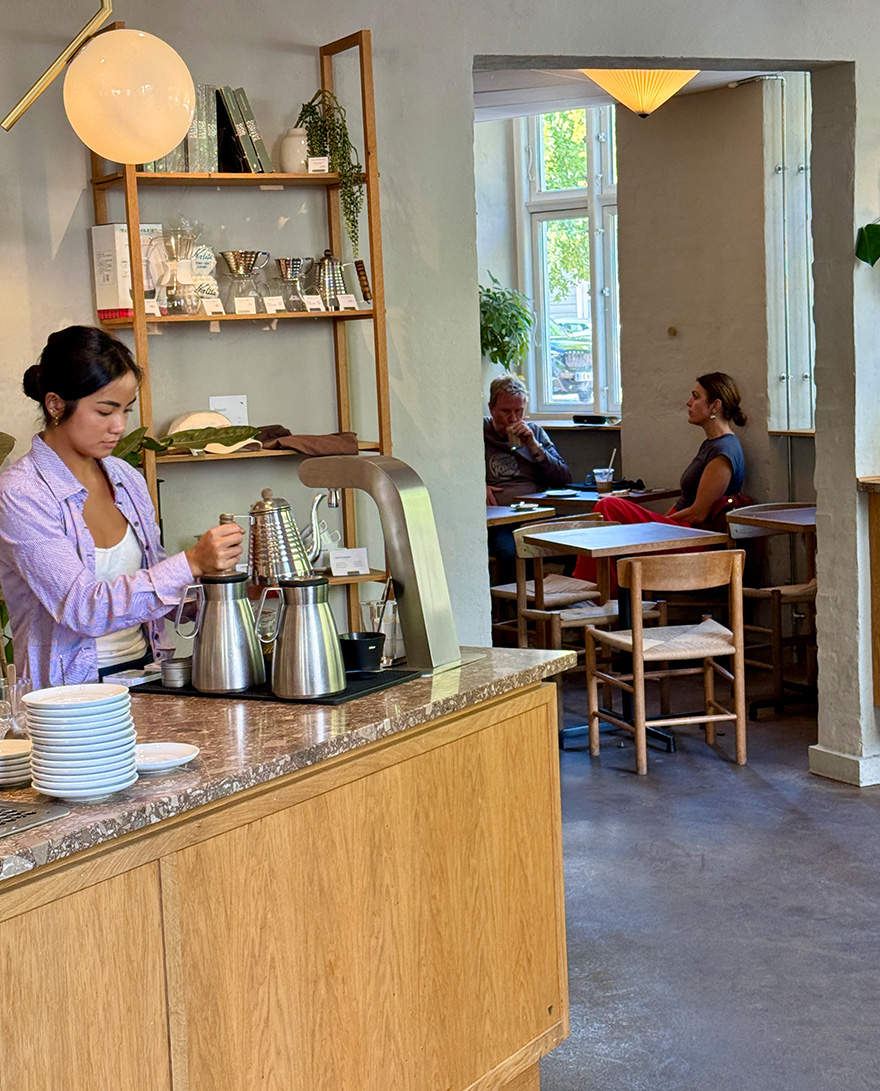
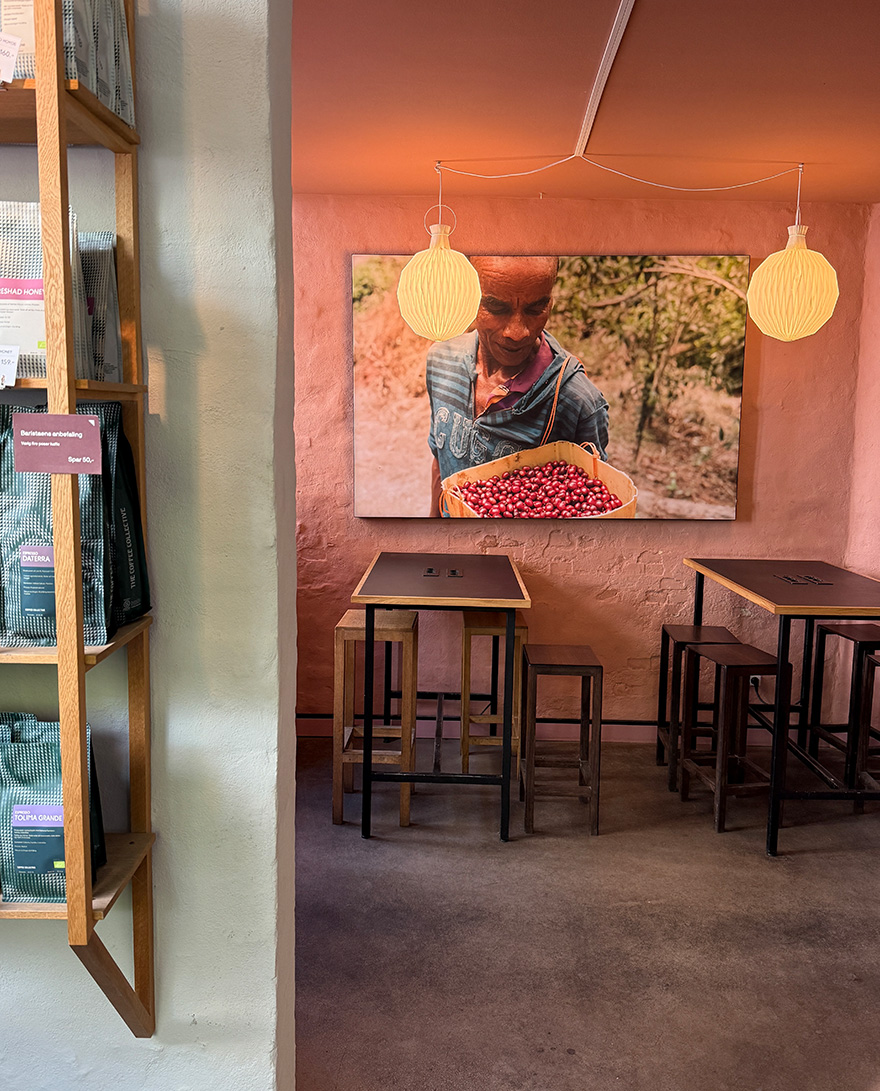
Coffee Collective’s Jægersborggade café is small and relaxed, with pavement seating that is ideal in summer. The company works closely with coffee producers and is transparent about sourcing, but for visitors the important point is simple: the coffee is consistently excellent. Order at the counter and take a table outside if one is free.
Do - Refshaleøen
Cross the Inderhavnsbroen bridge and continue out to Refshaleøen, a former industrial area now occupied by restaurants, studios, cultural venues and outdoor gathering places. It covers a much larger area than it first appears, and the different stops are spread out, so this is somewhere a bike is genuinely useful. The contrast between huge old shipyard buildings and busy waterside terraces gives it a completely different character from central Copenhagen.
Dine and drink
REFFEN
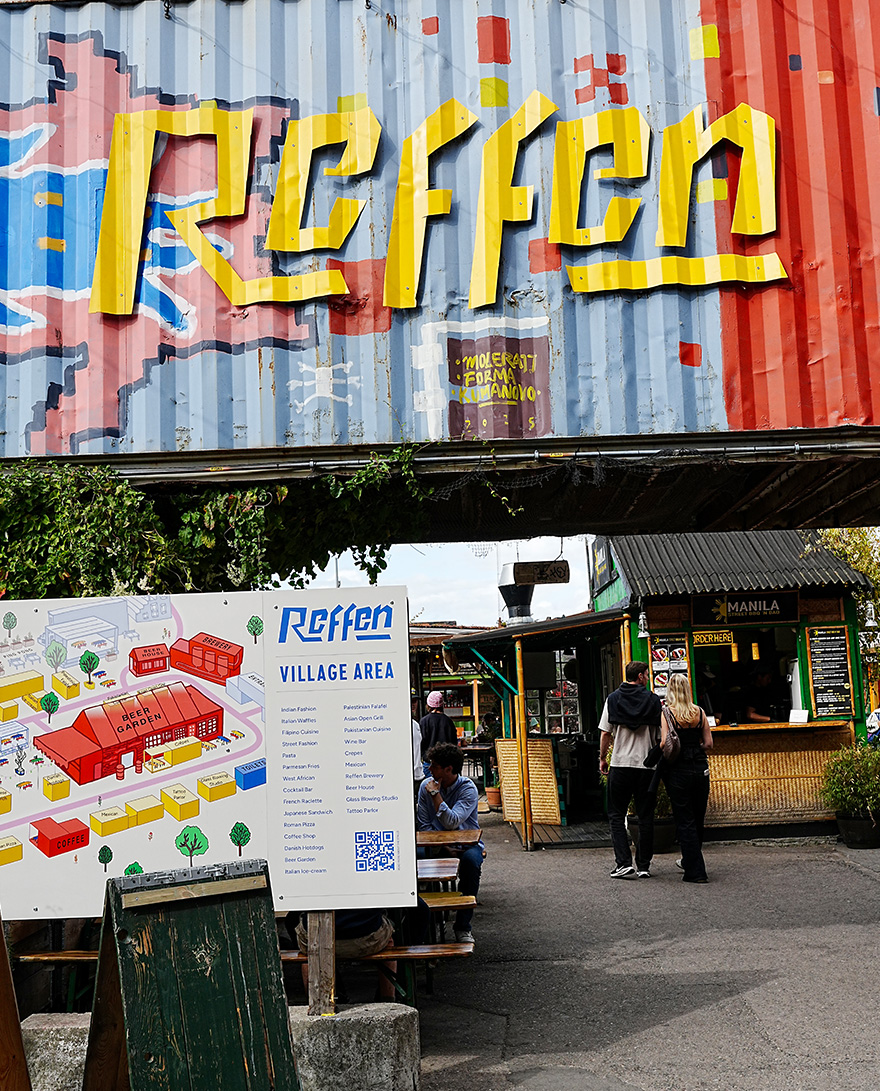
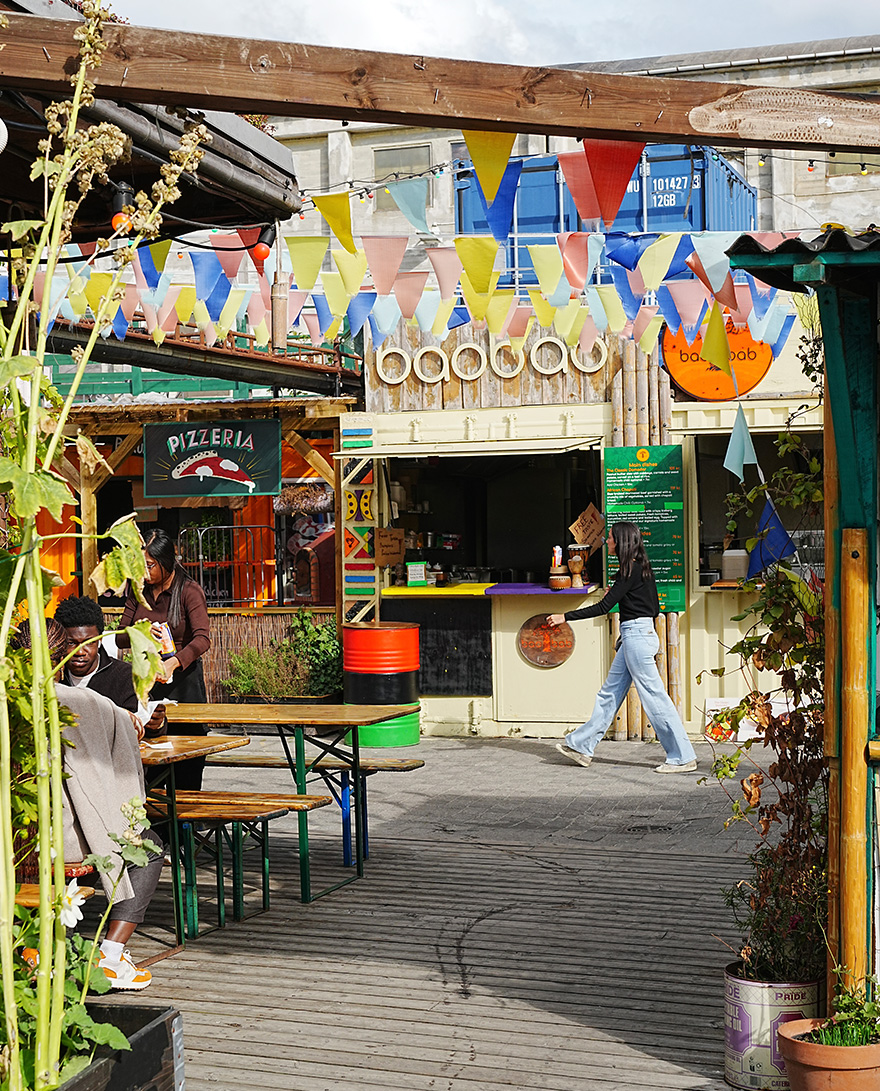
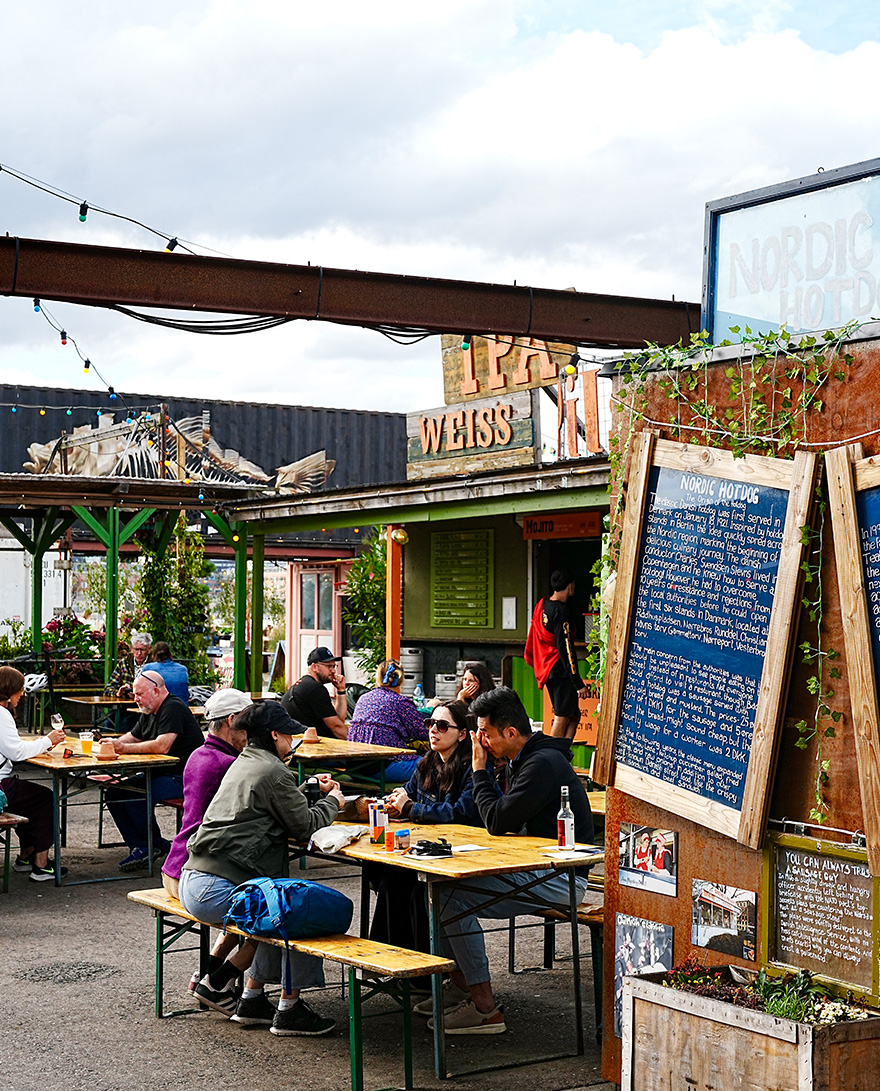
Reffen is a large waterside street-food market built from shipping containers and filled with independent stalls serving food from around the world. The appeal is the atmosphere as much as any single dish: colourful seating, music, harbour views and plenty of space to settle in with friends. It is at its best on a sunny afternoon or early evening. The neighbouring Mikkeller Baghaven taproom adds craft beer beside the water, so you can easily stay in the area for dinner and drinks.
LA BANCHINA
La Banchina is a tiny café and wine bar beside the harbour with a wooden jetty used for swimming and sunbathing. There is very little formality: order coffee, natural wine or a simple seasonal plate, then find a place outside by the water. In summer it can be extremely busy, but the combination of a swim, a glass of wine and the industrial harbour setting is pure Copenhagen.
Breakfast and brunch
LILLE BAKERY
Lille Bakery sits inside an old industrial building, with a large communal room, an open bakery and tables outside when the weather is good. It serves excellent sourdough, buns, pastries and simple breakfast or lunch plates using seasonal ingredients. The scale and rough edges of the setting are a large part of its charm.
Museum
COPENHAGEN CONTEMPORARY
Copenhagen Contemporary fills part of a former welding hall with large-scale installation and conceptual art. The programme can be challenging and some of it was a little wacky for us, but the vast industrial rooms are impressive. James Turrell’s immersive light installation, Aftershock, is the work to seek out: colour and light alter your sense of depth until the room feels almost otherworldly.
Do - Nordhavn
AUDO HOUSE
Audo House is on the outskirts of the centre in Nordhavn, a rapidly developing waterfront district. The hybrid space brings together a small hotel, restaurant, concept shop and the Audo Copenhagen furniture collection inside a former merchant’s house. You can see the brand’s chairs, lighting and accessories in use throughout, making it a particularly good stop for design lovers.
JUNO THE BAKERY
If you do head out to Nordhaven, Juno the Bakery was our friends’ favourite place for cinnamon buns on their trip to the city!
Do - Louisiana
LOUISIANA MUSEUM OF MODERN ART
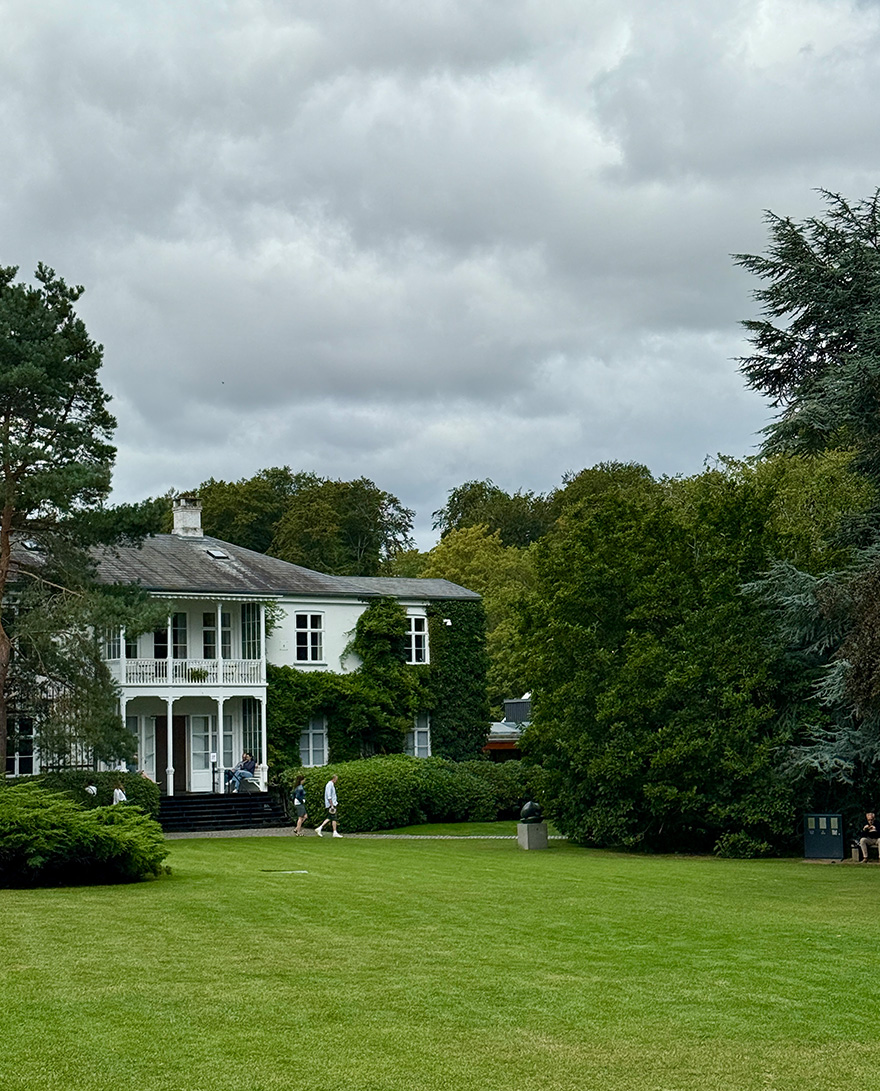
Louisiana is one of the most beautiful and interesting museums we have visited. It began with a 19th-century country house in Humlebæk and grew into a series of low modernist pavilions connected by glass corridors. The architecture follows the contours of the landscape, repeatedly opening onto trees, lawns and views across the water.
There is lots to see, and we spent a full day here. The temporary exhibitions are consistently ambitious—we saw a brilliant Lucian Freud exhibition—and the permanent collection includes important post-war and contemporary work. Outside, sculptures by artists including Henry Moore, Joan Miró and Alexander Calder sit among mature trees or against the sea, with the changing viewpoints making the garden as important as the galleries.
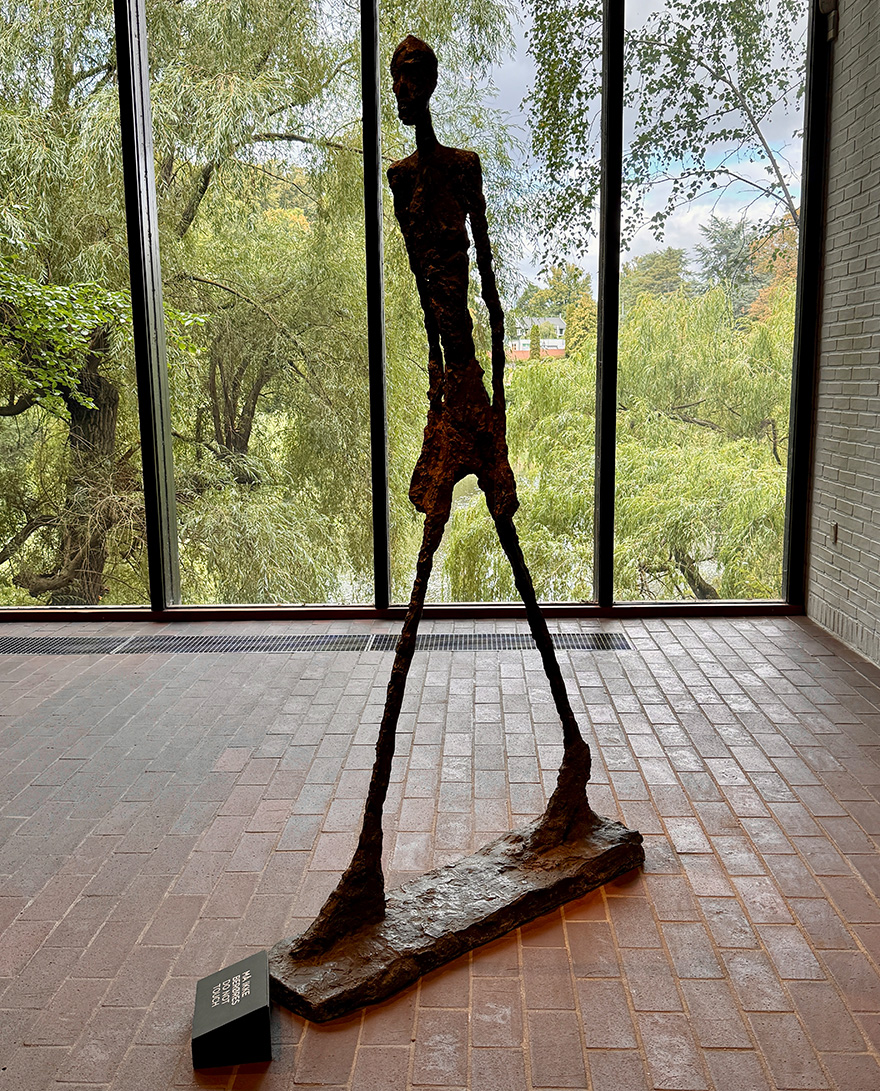
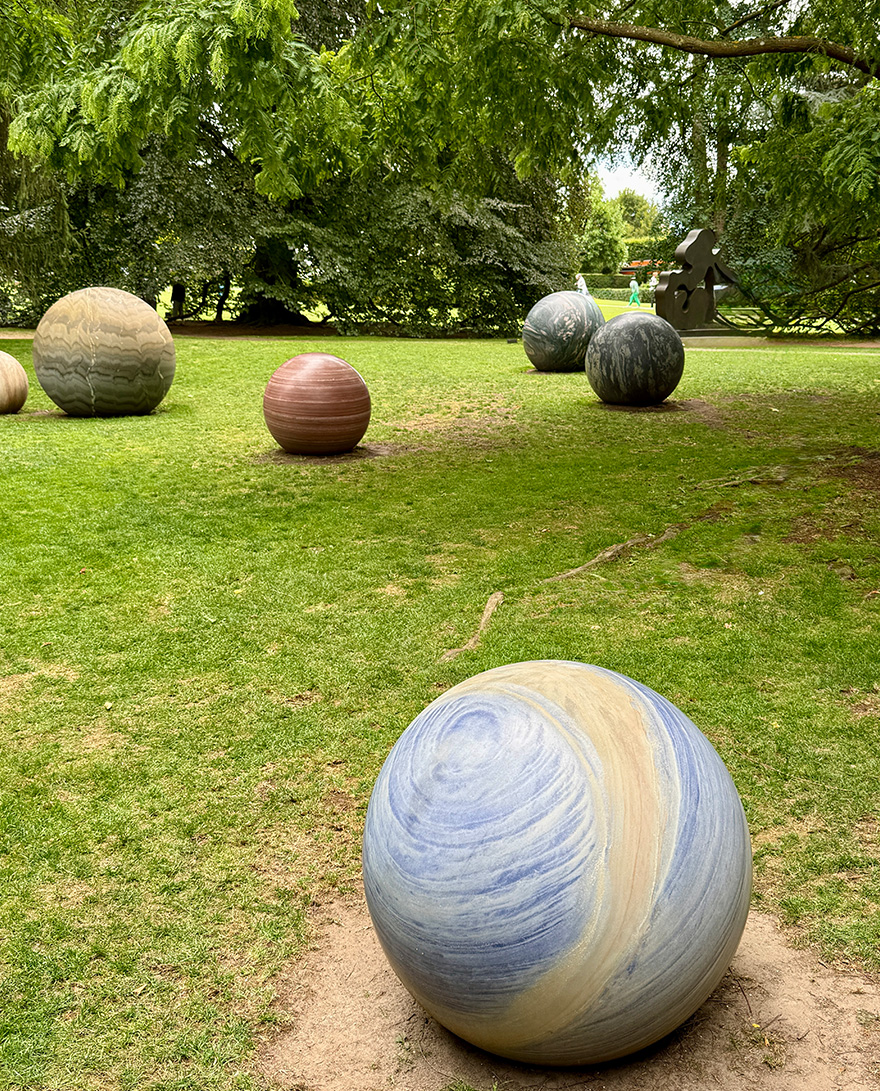
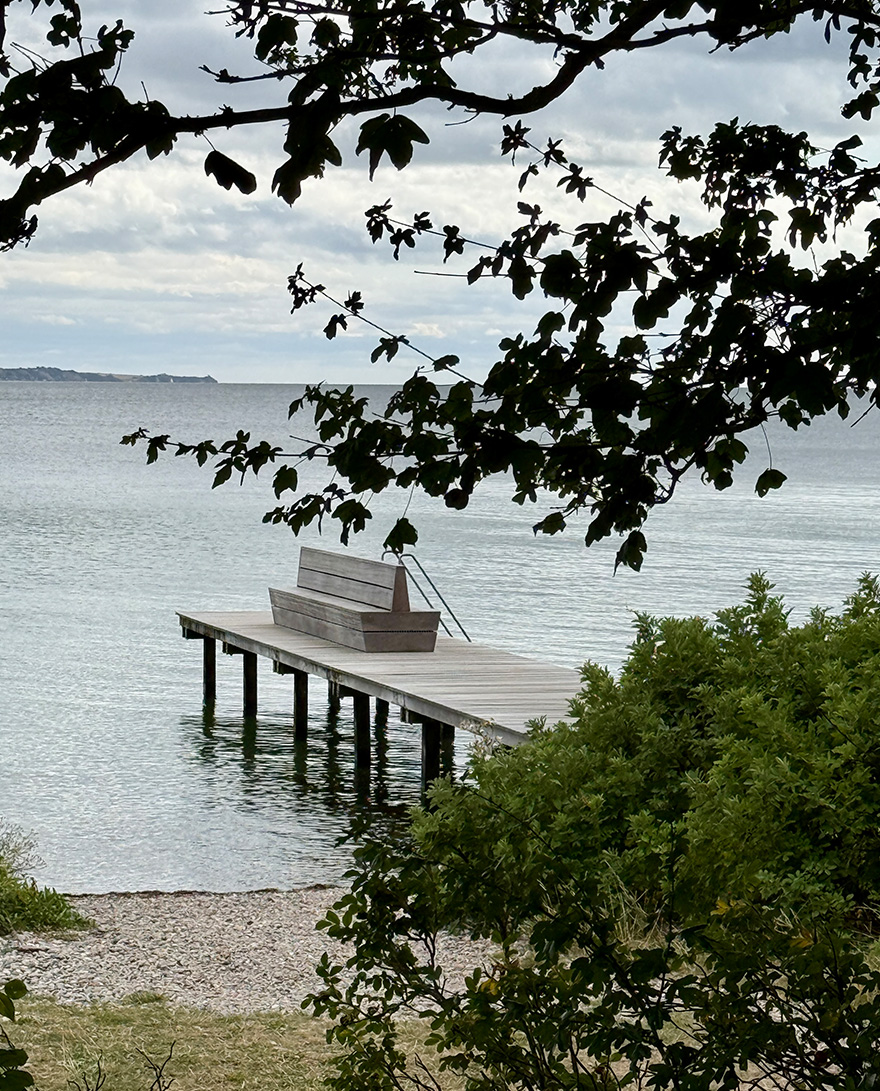
The shop is enormous and very good, with exhibition catalogues, art and design books, posters, stationery and gifts. Leave proper time for it rather than rushing through on the way out. For lunch, the Louisiana Café serves salads, sandwiches, larger seasonal plates, cakes and coffee. On a warm day, sit outside on the terrace overlooking the water.
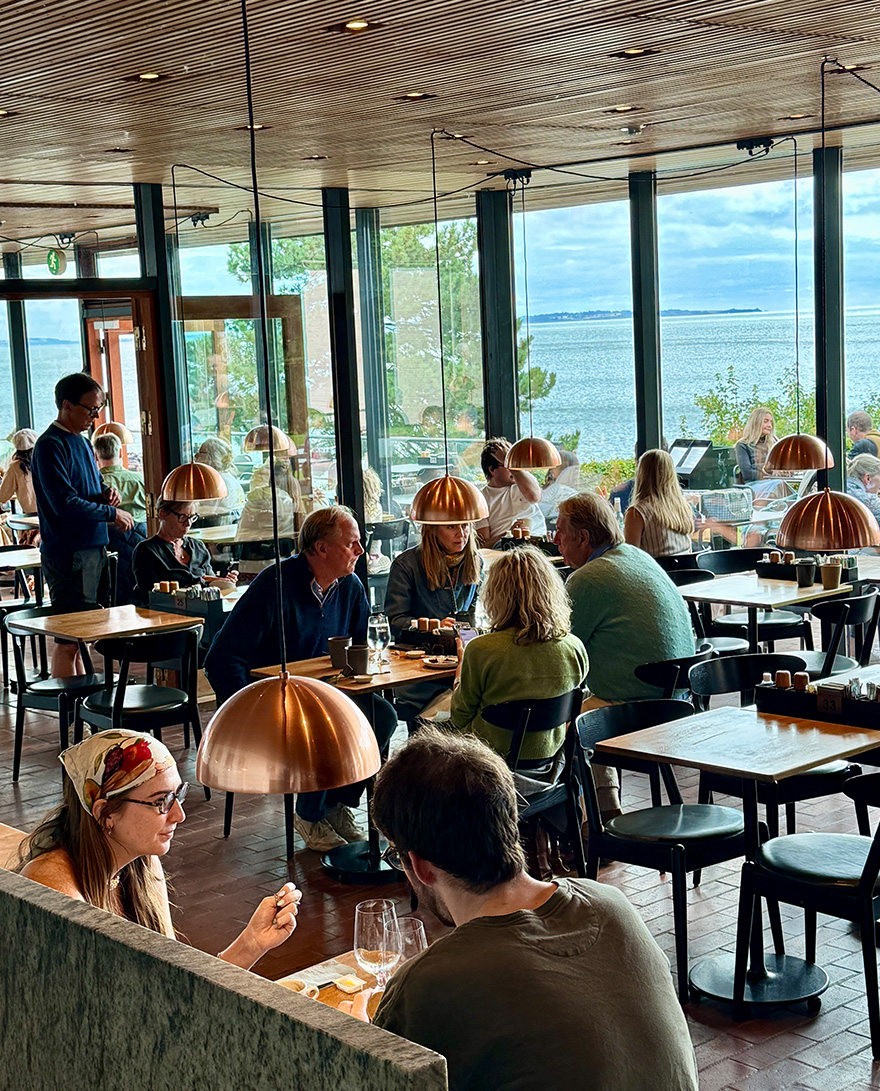
The museum is around 35–40 minutes by train from Copenhagen Central to Humlebæk, followed by a 10” walk. Driving normally takes around 40 minutes from central Copenhagen, depending on traffic. Check the current opening time, buy tickets in advance and arrive when the museum opens; summer days become busy quickly.
Do - Classic Copenhagen
There are also plenty of palaces, gardens and landmarks for a more classic tour of the city. Our latest trip was already full, so we did not do them, but here are some of the main ones to consider if time allows.
KASTELLET
Kastellet is a star-shaped 17th-century fortress with grassy ramparts, red barracks, a windmill and paths around the moat. It remains an active military site and includes a memorial to Danish soldiers who have died in service. Go at the beginning or end of the day, when it is peaceful and the paths are used more by local walkers and runners than tour groups.
TIVOLI GARDENS
Tivoli combines historic gardens, restaurants, concert spaces and traditional rides in the centre of the city. Most visitors come during the day for the carousels and rollercoasters, but the gardens become more atmospheric after dark when thousands of lights come on. Check the seasonal calendar, as opening dates and evening events change through the year.
THE KING’S GARDEN AND ROSENBORG CASTLE
The King’s Garden is Copenhagen’s oldest royal garden and a pleasant place for a walk or picnic around Rosenborg Castle. Inside the early 17th-century castle are royal rooms, collections and the Danish Crown Jewels. Book a timed ticket if you want to go inside, especially during the summer.
AMALIENBORG
Amalienborg is the Copenhagen equivalent of Buckingham Palace: four matching rococo palaces arranged around an octagonal square and still used by the Danish royal family. It is easy to pass through while walking from Nyhavn towards Kastellet and the Little Mermaid. The latter is smaller and less impressive than many visitors expect, but the waterfront route is enjoyable.
OPERA PARK
The new Opera Park occupies a former industrial island beside Copenhagen Opera House. Designed as a public green space, it brings together six gardens inspired by different landscapes, including a Danish oak forest, an English garden and an oriental garden. Curving paths, planting and harbour views make it a good contemporary addition to a walk around the waterfront.
Why a trip to Copenhagen??
Copenhagen is ideal for a city break if, like us, you love design, food and interesting neighbourhoods. You can see classic Scandi design, browse independent fashion stores, eat extremely well and spend time outside beside the canals and harbour. The city is compact and easy to explore on foot or on a bike. In the summer months, Copenhagen also combines brilliantly with a stay on the Danish Riviera, only around an hour away, adding beaches, small coastal towns and the Louisiana Museum to a longer North Zealand trip.