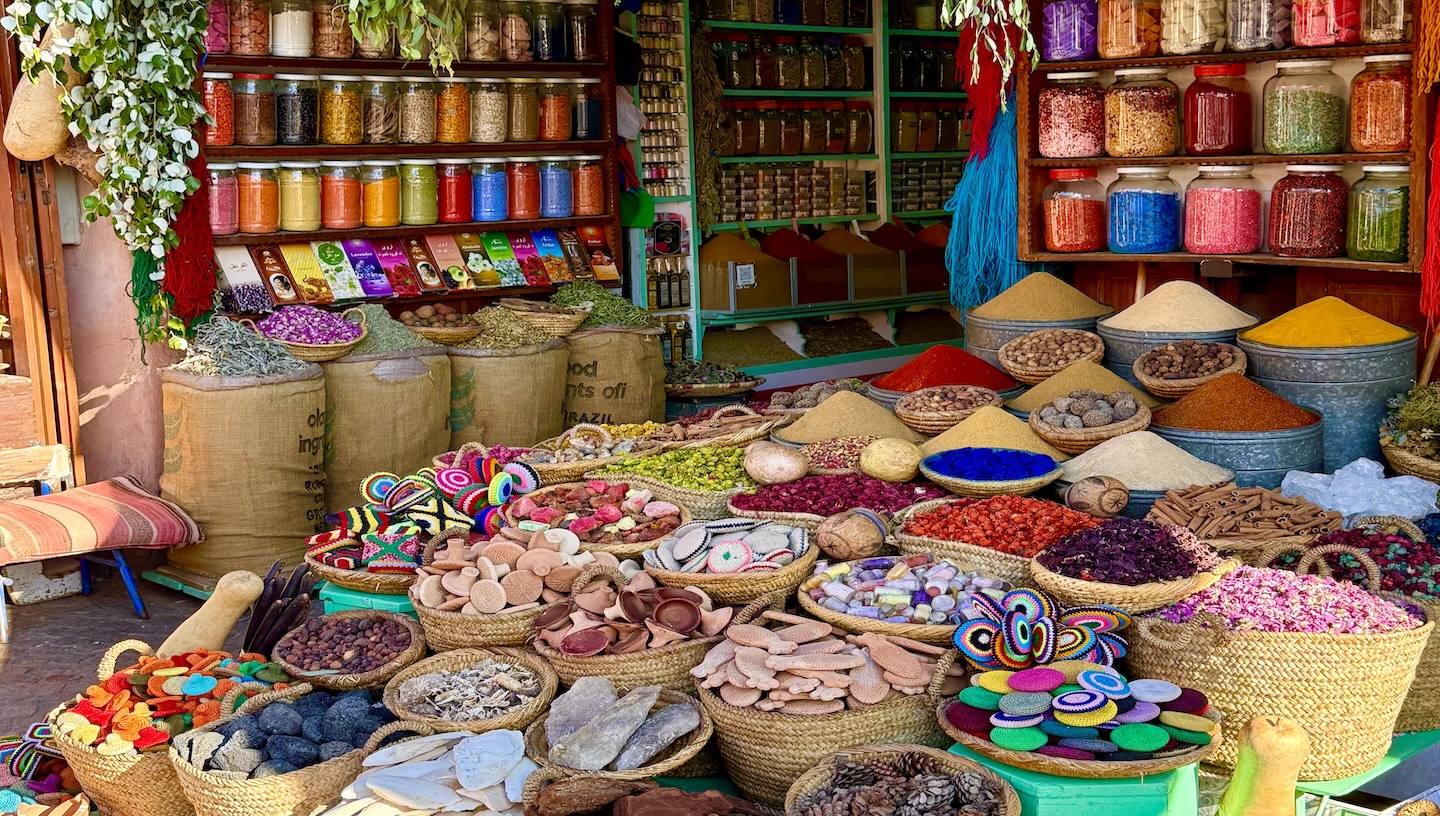
Overview of our trip
Marrakech is one of the easiest ways to get a completely different cultural experience without travelling too far. Just over three hours from London, we arrived somewhere that felt a world away from home: busier, louder, more colourful and warmer too!
Most of our time was spent in and around the medina, which is where the city comes alive. The streets are packed from morning to night, with stalls spilling out into alleyways, scooters weaving through crowds and a constant mix of sound, colour and movement. Alongside that, there’s a strong food scene, with plenty of places to eat—from traditional spots to more modern rooftops—and enough cultural sights to easily fill a few days.
We spent five nights in Marrakech, which felt like the right amount of time to explore properly. We then added a three-night trip to the Erg Chebi desert, which completely changed the pace. Within a day, you move from the energy of the city to open landscapes, quiet villages and eventually the dunes of the Sahara. Staying in smaller boutique properties along the way made this part of the trip even more memorable.
We ended back just outside Marrakech in the Palmeraie, which was the perfect way to finish. After the desert, it gave us one last afternoon to slow down by the pool before heading home. It genuinely felt like we’d been away for weeks rather than just nine days!
Marrakech
Stay
DAR HASNAA (HIDEAWAYS CLUB)
We stayed at Dar Hasnaa, part of The Hideaways Club, which we’re members of. The club gives access to a collection of homes around the world. Dar Hasnaa sits just outside the centre of Marrakech, which works well as a base. You’re close enough to get into the medina easily, but far enough out to have some quieter relaxation.
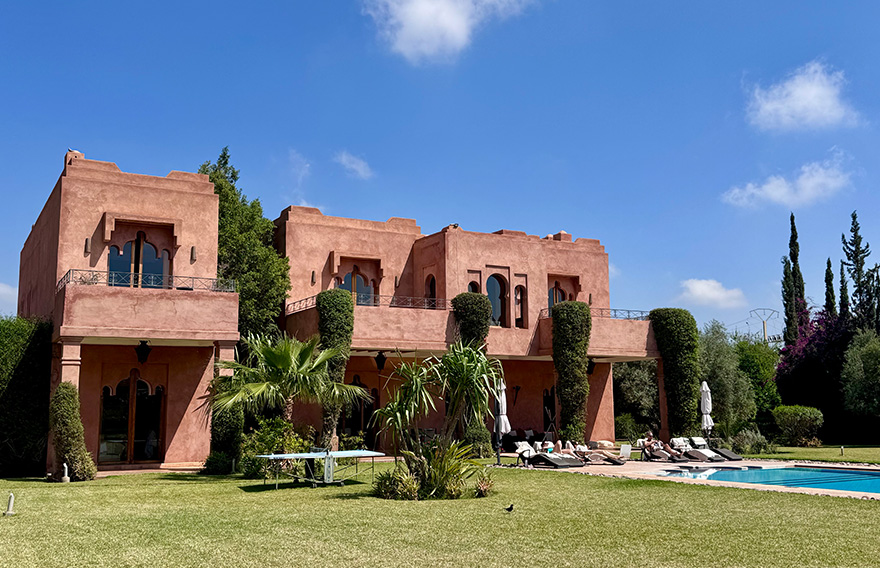
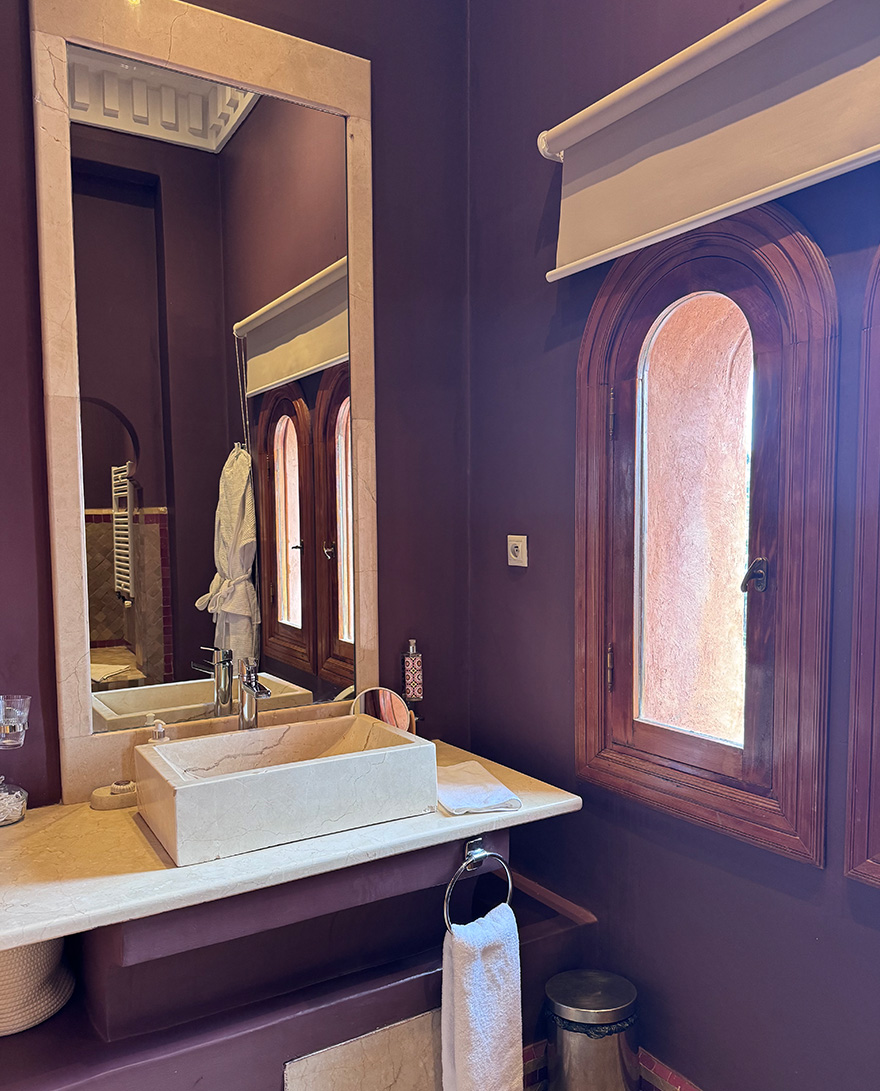
The villa is huge and feels like you have your own boutique hotel all to yourself! Design is rooted in Moroccan style, with tiled floors, carved wood, soft furnishings and plenty of texture.
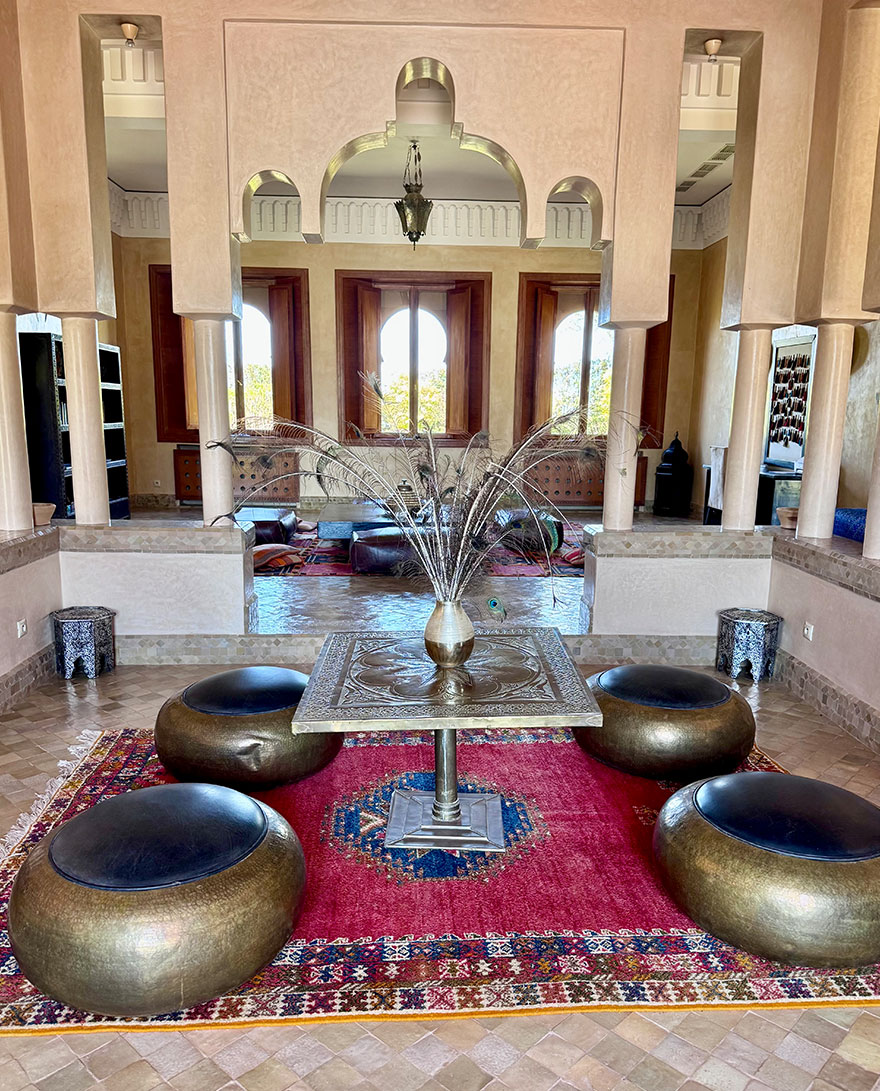
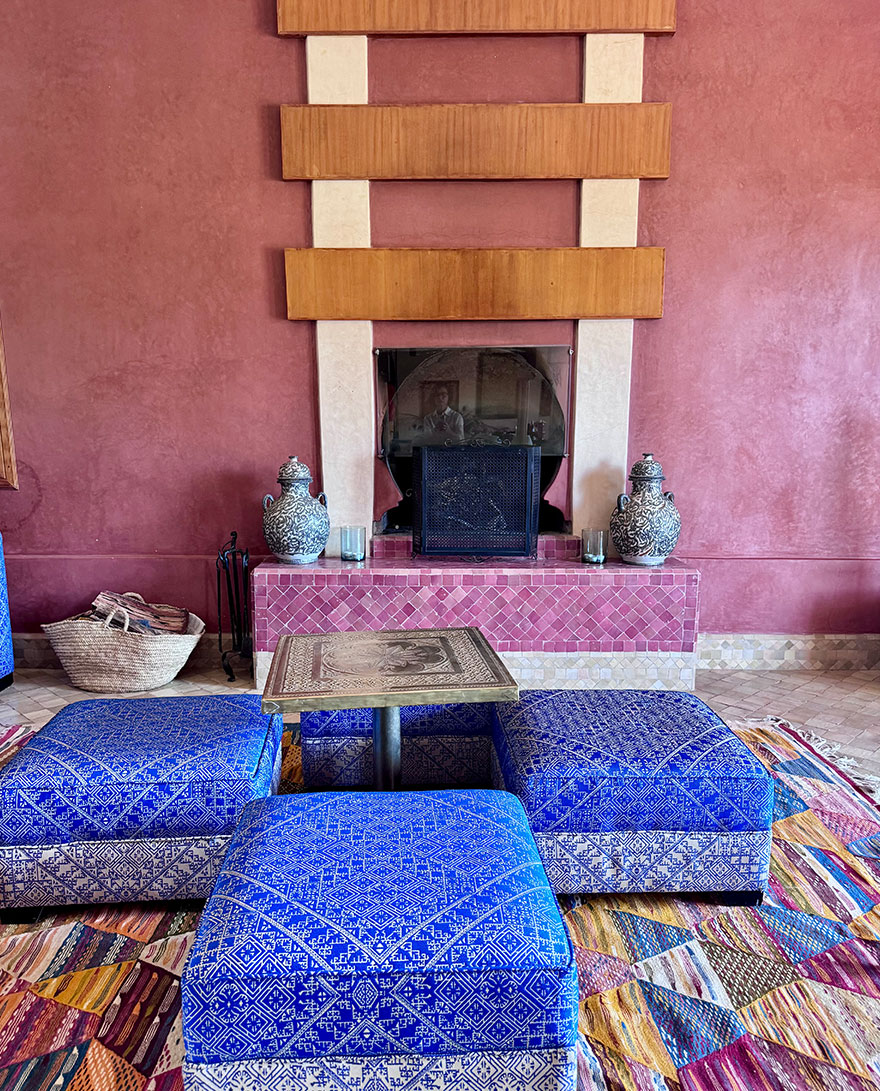
Bedrooms are spacious, with large beds and well-sized bathrooms. Terraces have views out over the grounds and beyond to the Atlas Mountains.
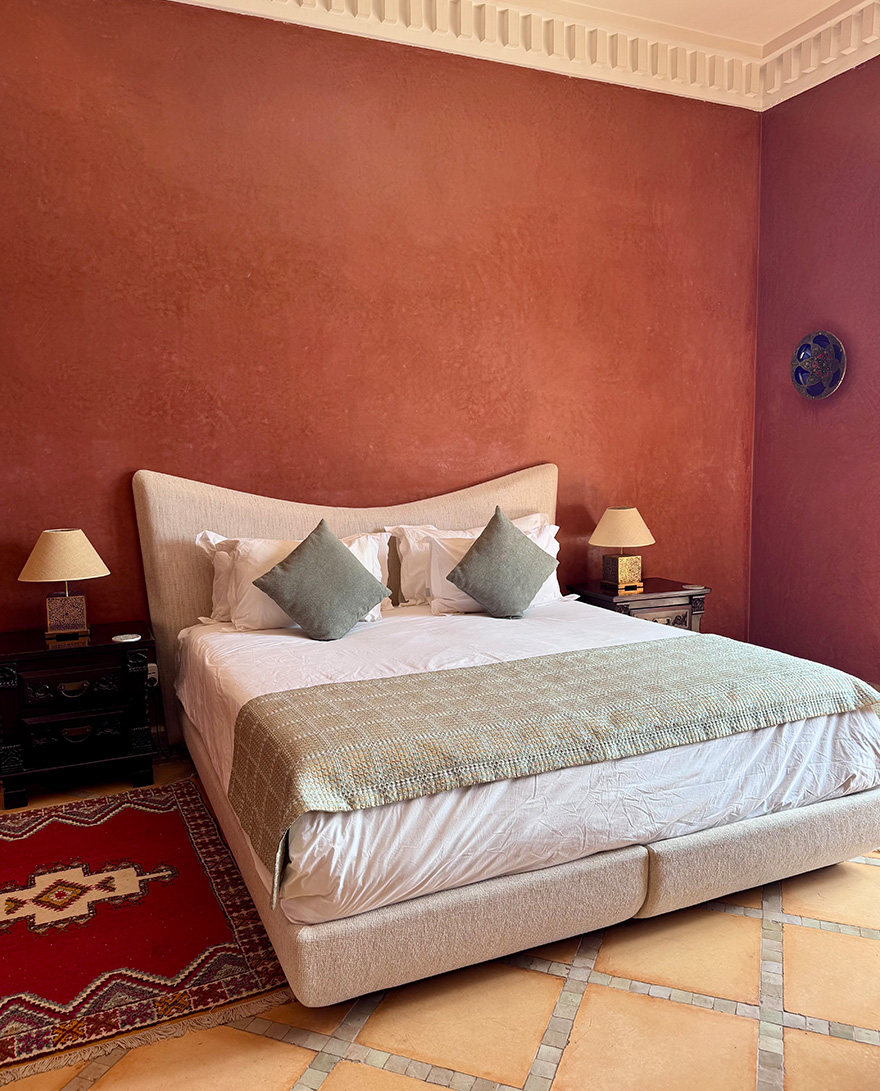
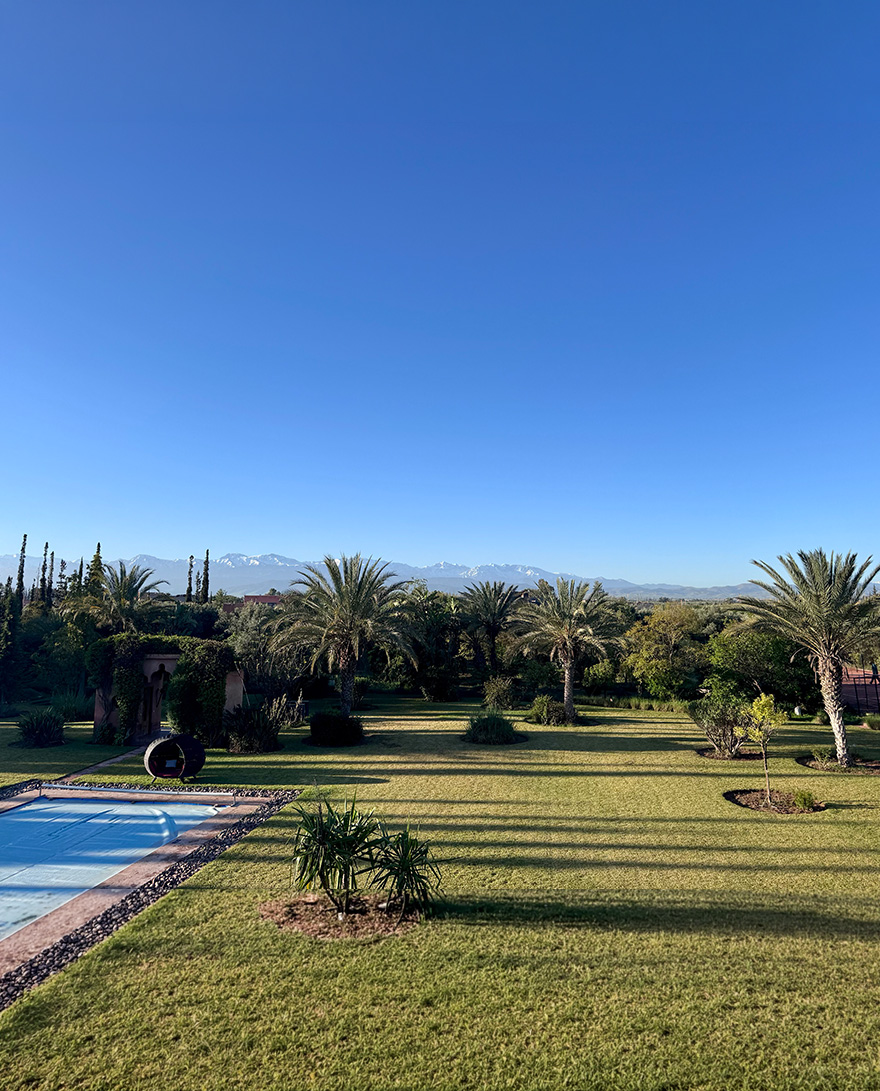
Outside, the gardens are a highlight. There is a lovely, large pool, a tennis court, tennis table and several terraces when you want to chill in the shade.
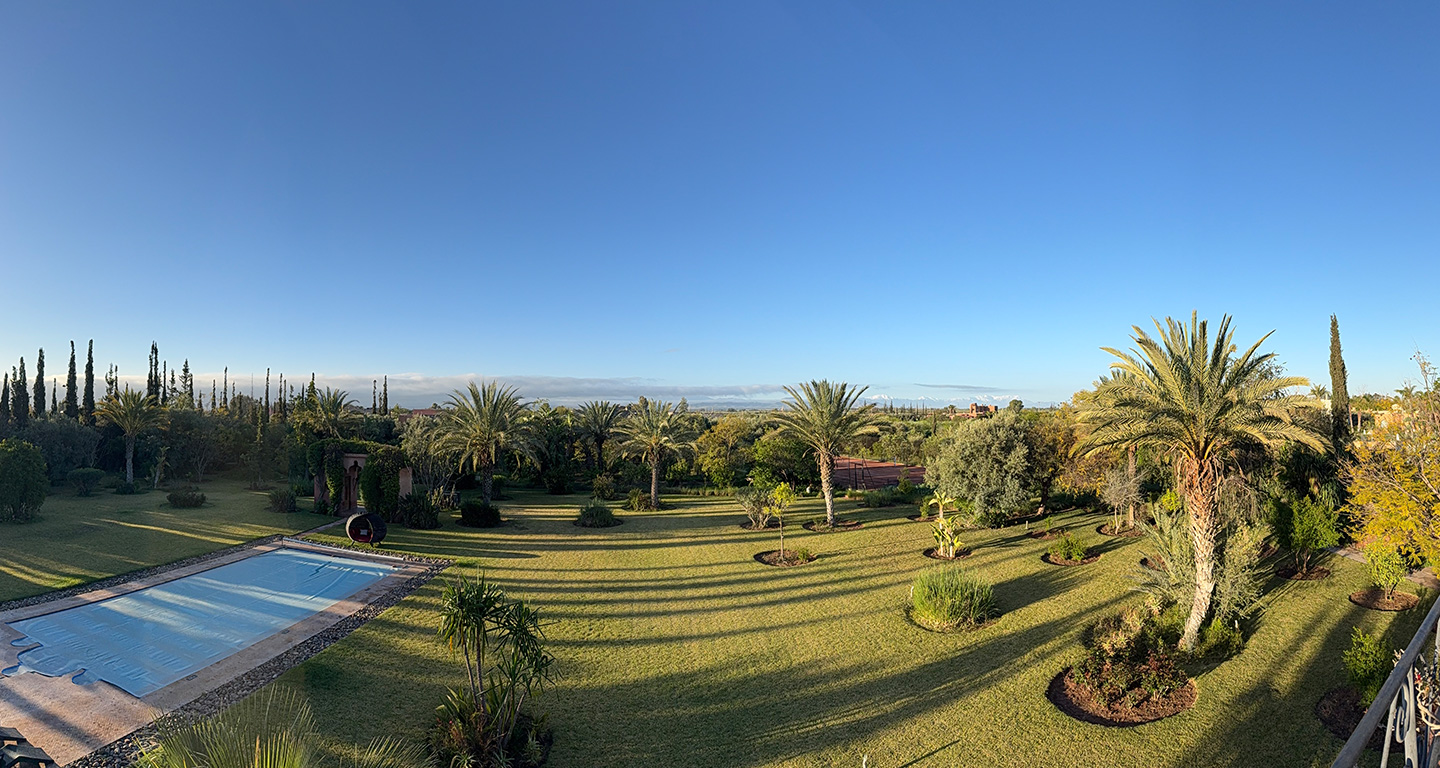
HOTEL VILLA AL ASSALA
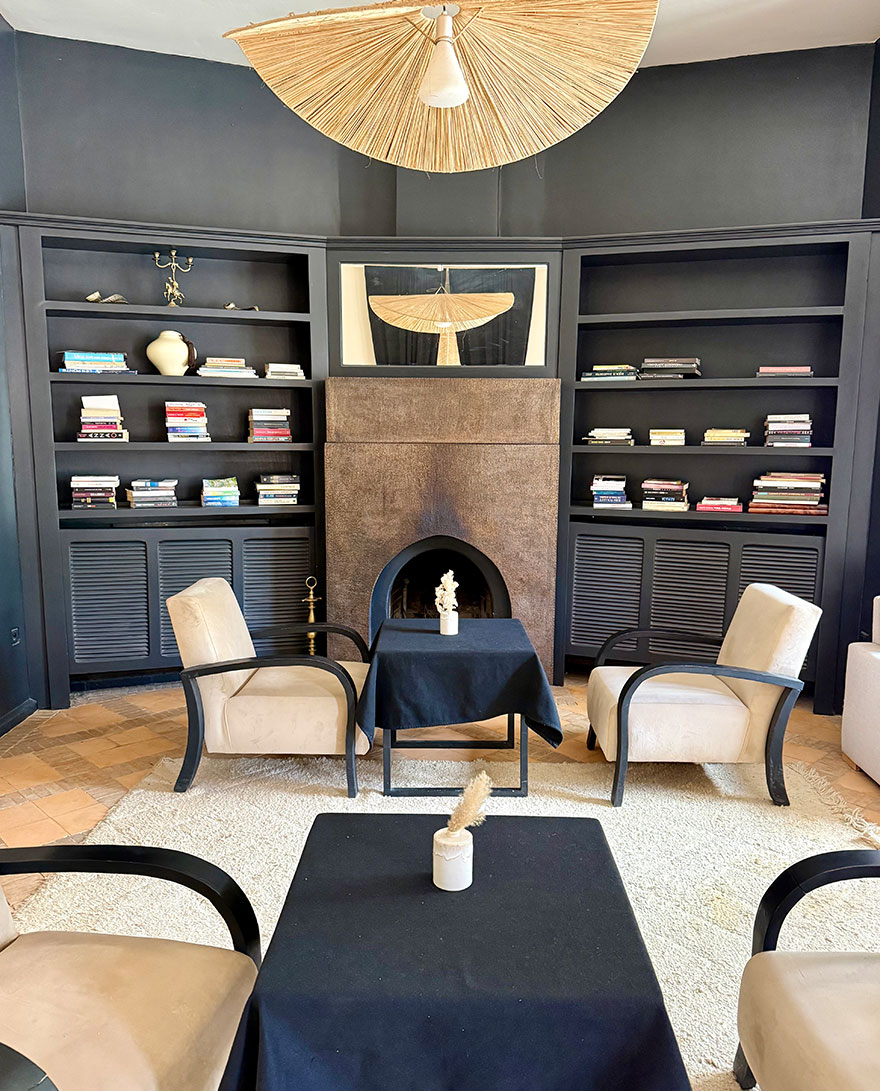
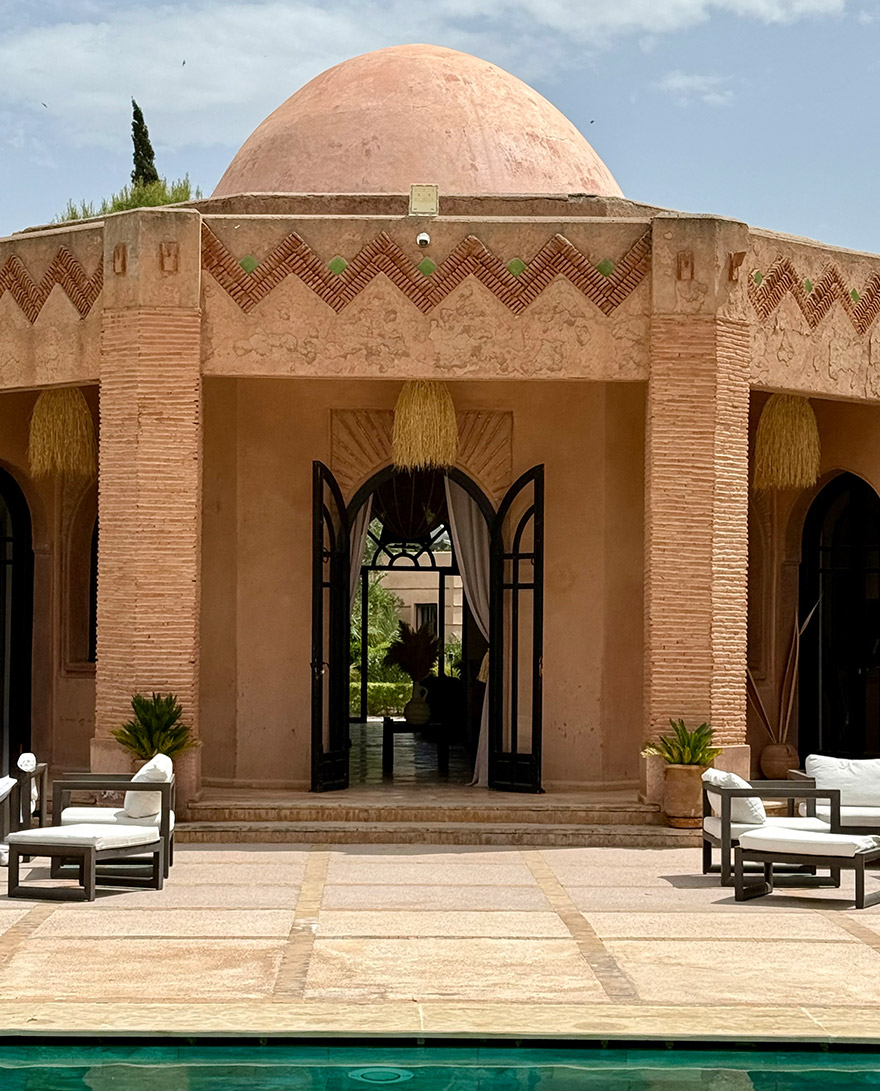
We stayed at Villa Al Assala in the Palmeraie after returning from the desert. The Palmeraie sits about 15–20 minutes from the medina and feels very different: more open, greener and much quieter. This beautiful boutique hotel was the perfect place to chill out before travelling home.
The hotel is set within palm-filled grounds with a lovely pool and an outside terrace for dining in the open-air. The architecture follows traditional Moroccan lines, with low-rise buildings, arches and soft tones. But the overall feel is contemporary and cool, with a touch of French sophistication (the owners are French). Interiors feature neutral colours, tiled details and rooms that open out onto terraces or gardens.
Do
JEMAA EL-FNA
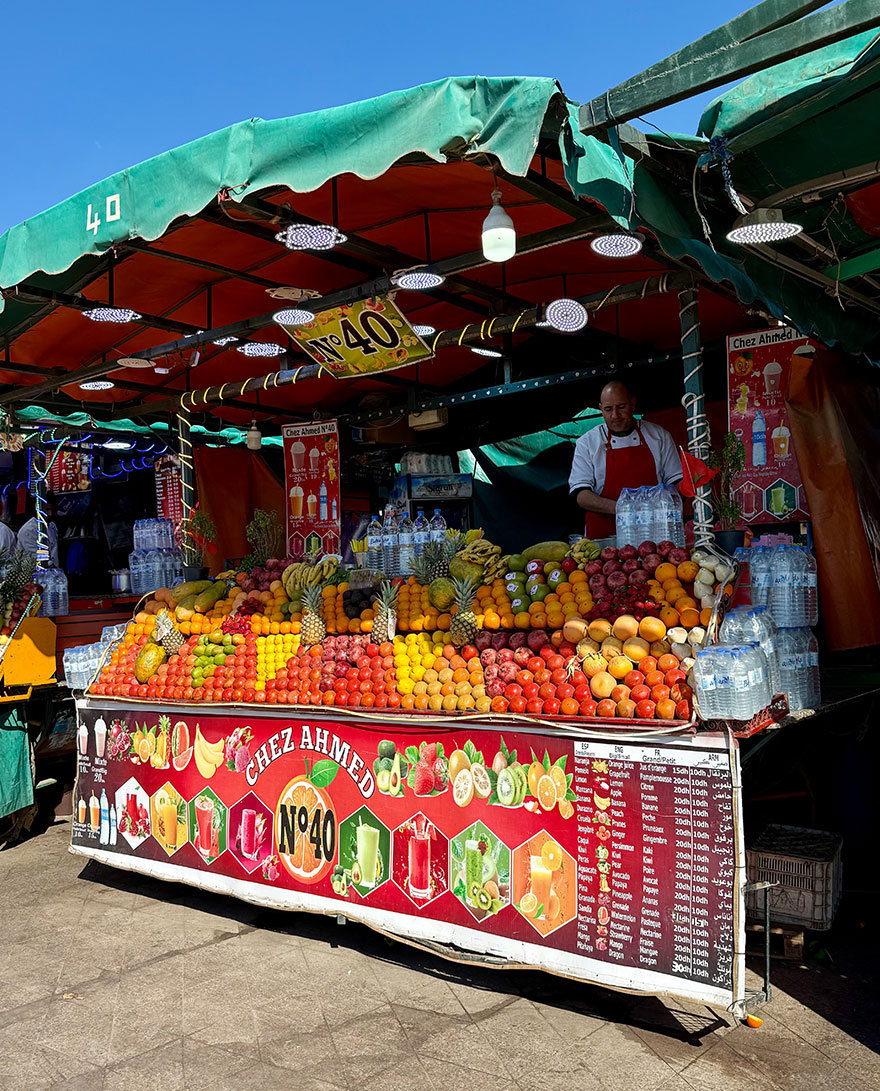
Jemaa el-Fna is one of the most atmospheric spots in the city, if a little touristy, and worth seeing at least once for the spectacle. By day, the square is a constant swirl of movement and noise. Orange juice sellers are lined up behind pyramids of fruit, selling their supplies. Musicians and snake charmers draw crowds. There is always something going on, and part of its appeal is that slightly chaotic energy.
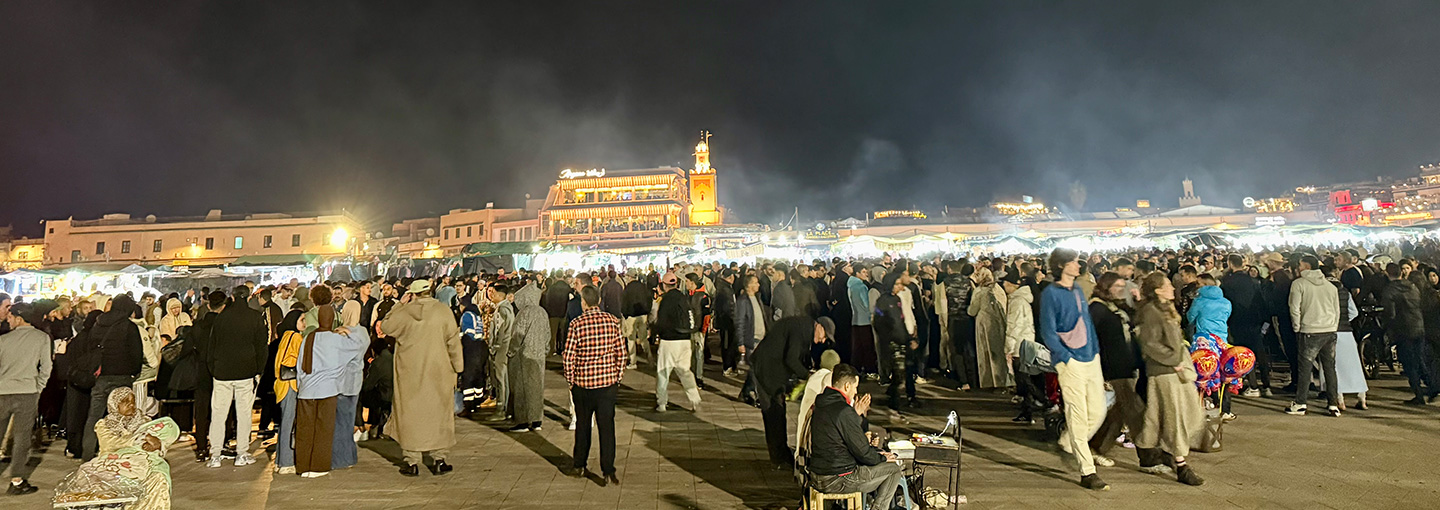
The square really comes into its own at night. As the sun goes down, it becomes even livelier, with food stalls setting up, smoke rising into the air, and the crowds thickening as people gather to eat, watch and wander.
THE SOUK
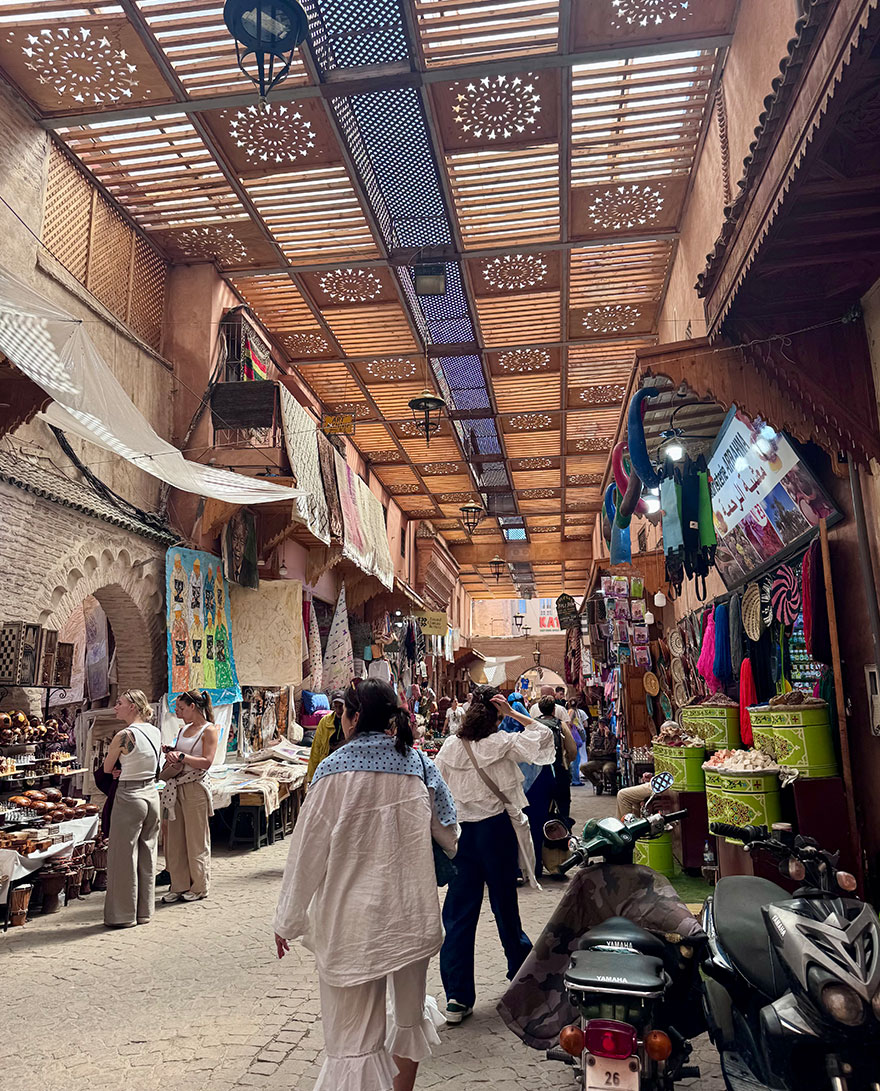
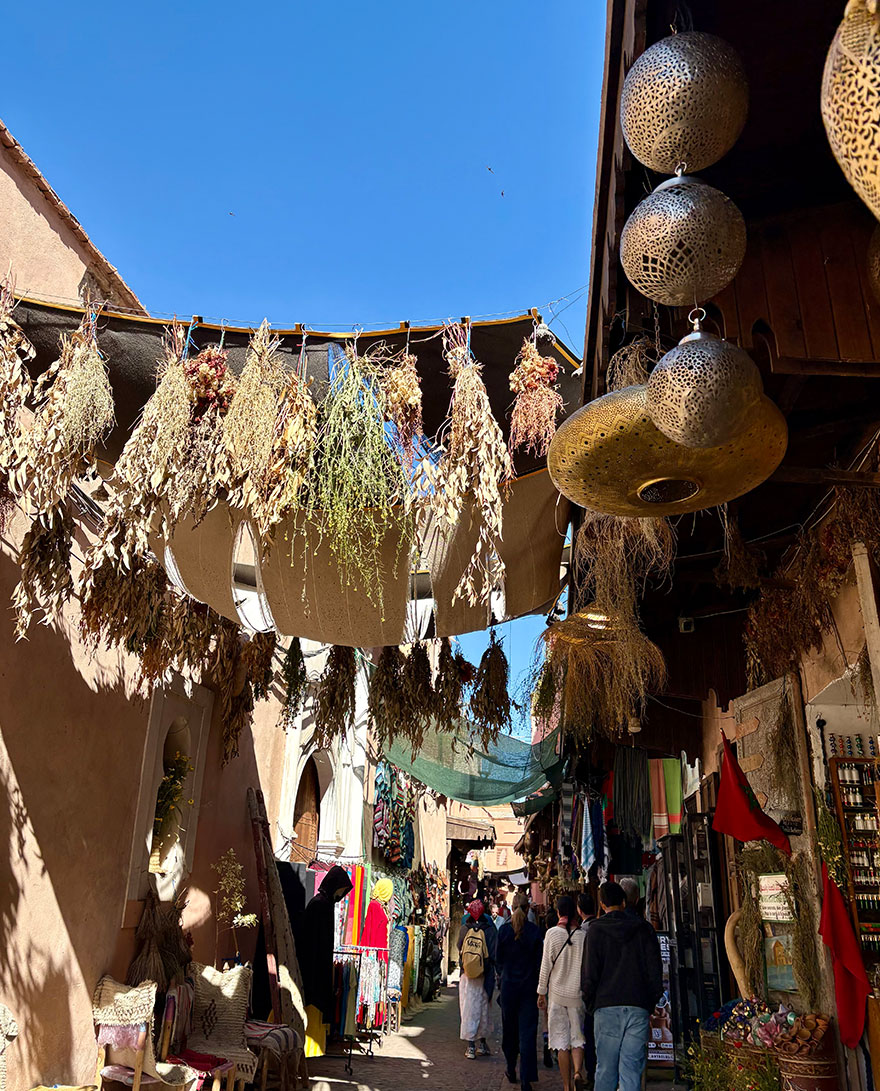
Exploring the souks is a big part of any trip to Marrakech. You can wander without any plan. But if you want a bit of a route through the maze, here is how we spent our time visiting with a Marrakech local. Below is a Google Map in case you want to some more help to navigate your way around!
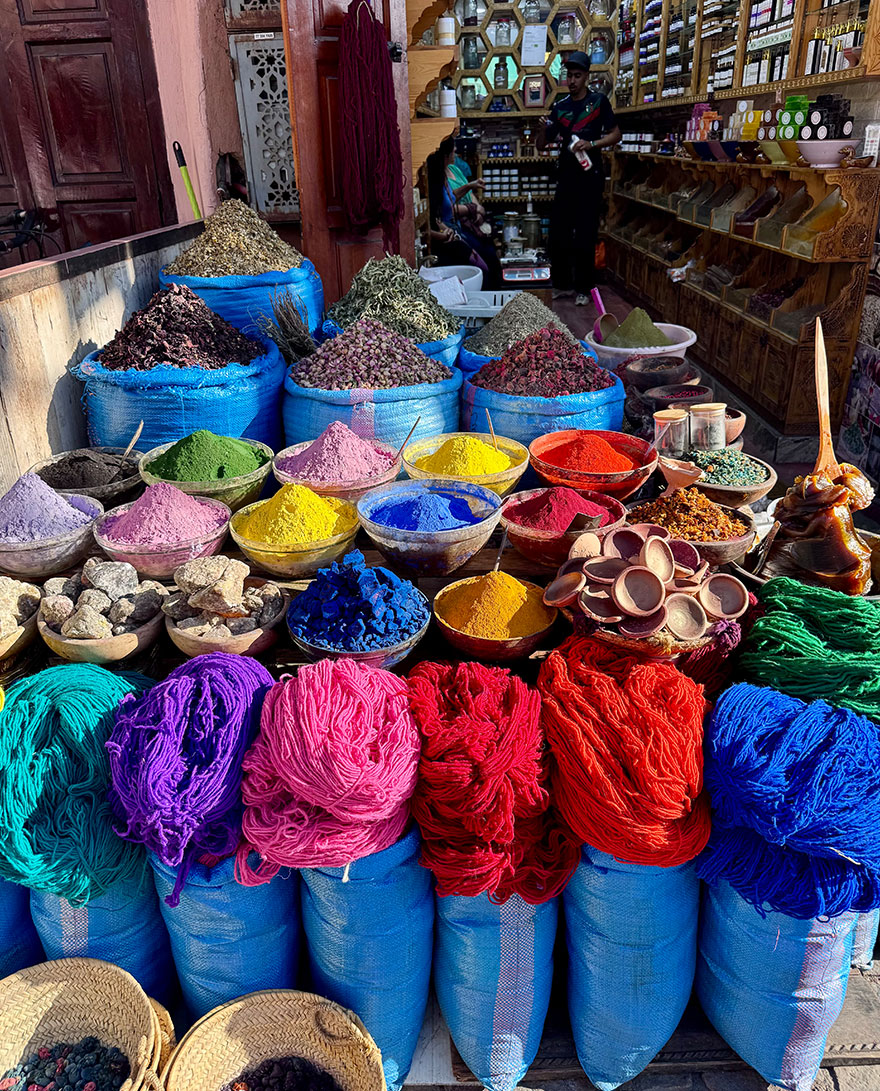
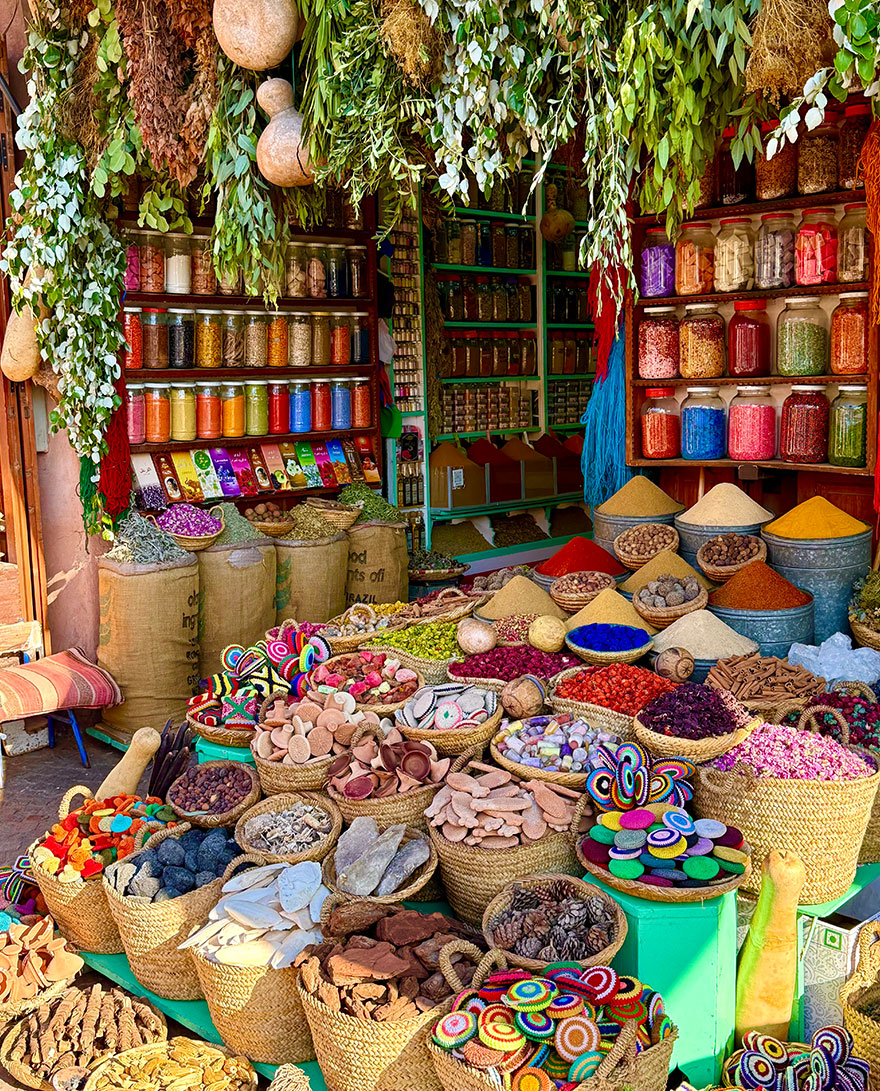
Start at Jemaa el-Fna and work your way north into Souk Semmarine, one of the main arteries of the medina. The streets are packed with leather goods, rugs, ceramics and textiles, and each section seems to specialise in something slightly different. Place des Épices is a good place to pause, with baskets of colourful spices laid out across the square (below right).
From here, fork left into Souk Stailia and head up towards Terrace des Épices (not to be confused with Café des Épices, which is a different place!). This is a popular spot with a nice rooftop, and you’ll probably need to book if you want to dine here. From here, keep walking north and head for Le Jardin, another dining and drinking spot with a rooftop, but also a nice inside garden terrace.
Opposite Le Jardin is our favourite find in the souk, a leather shop where we stocked up on bags and shoes! The shop has no name, but see the pictures below to hopefully find it: number 19 with a blue shoe above the door.
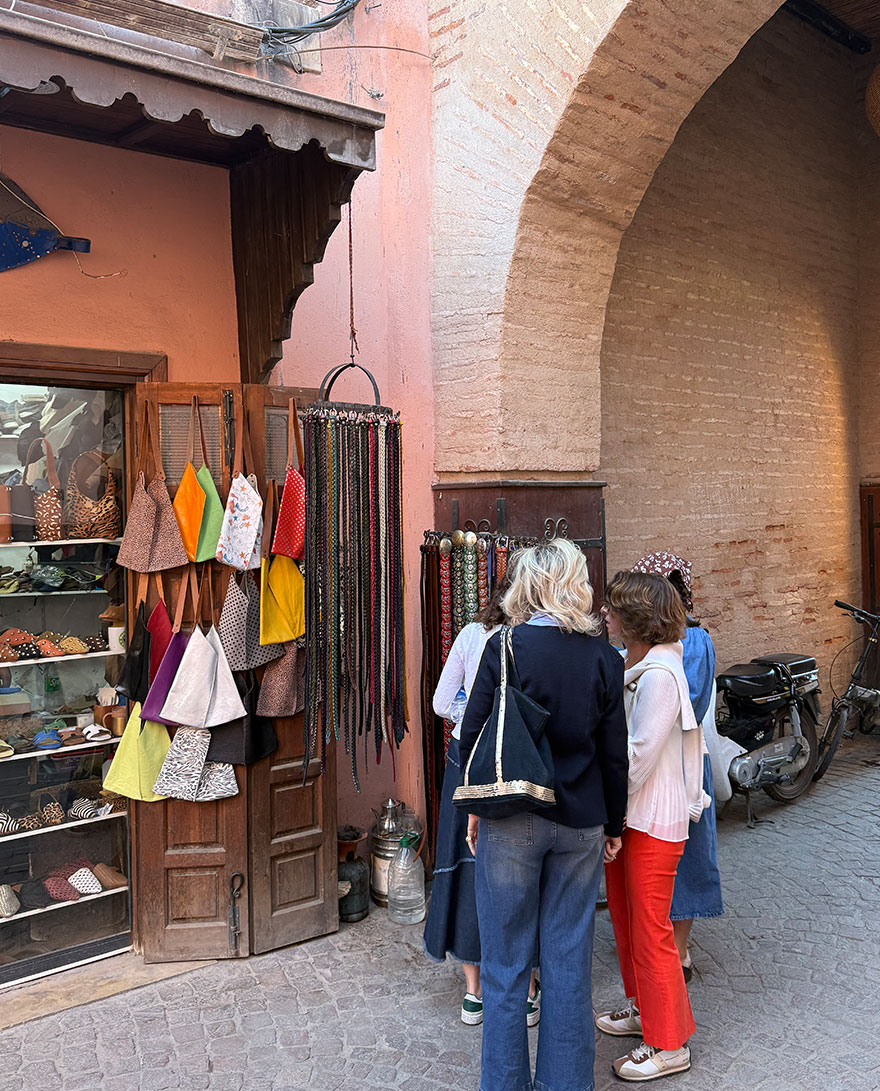
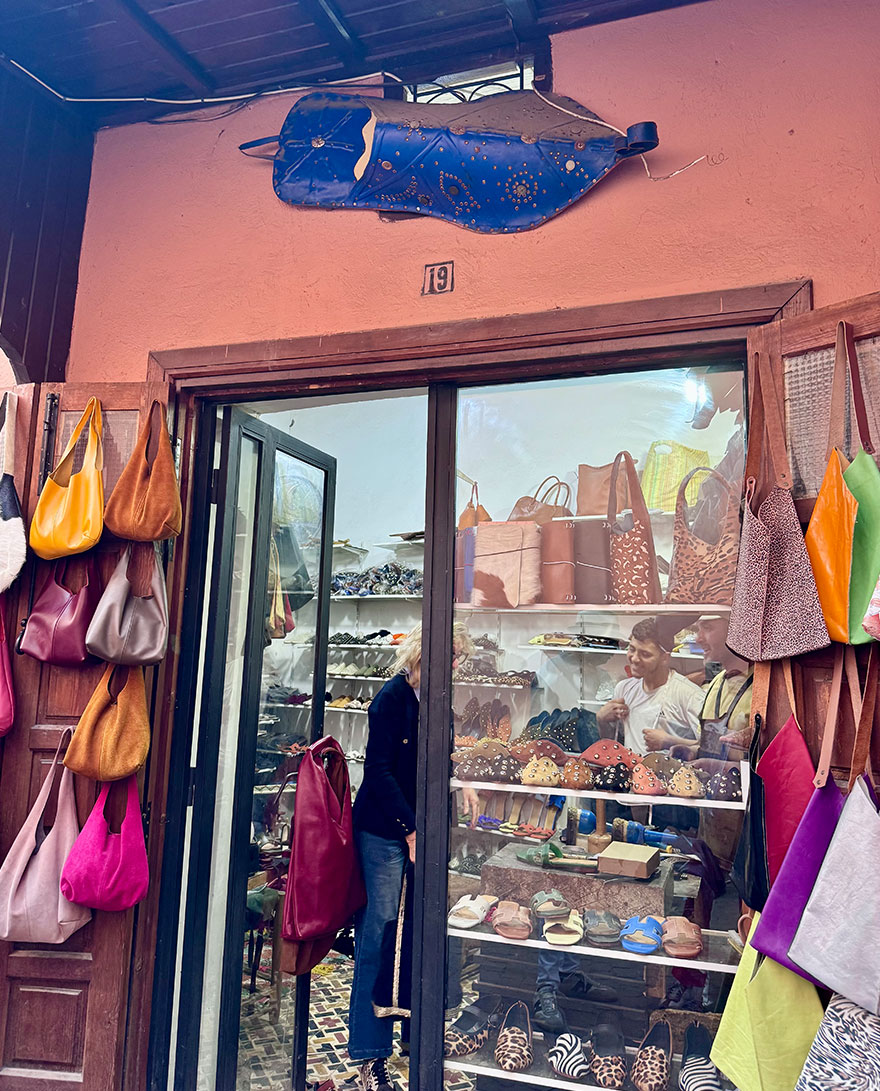
From here, head right into Rue Amsafah, a street that is slightly less crazy! Here, you’ll find the cool concept store Different Marrakech (see below) and further along a good rooftop spot for a mint tea, Atay Café (see Drink).
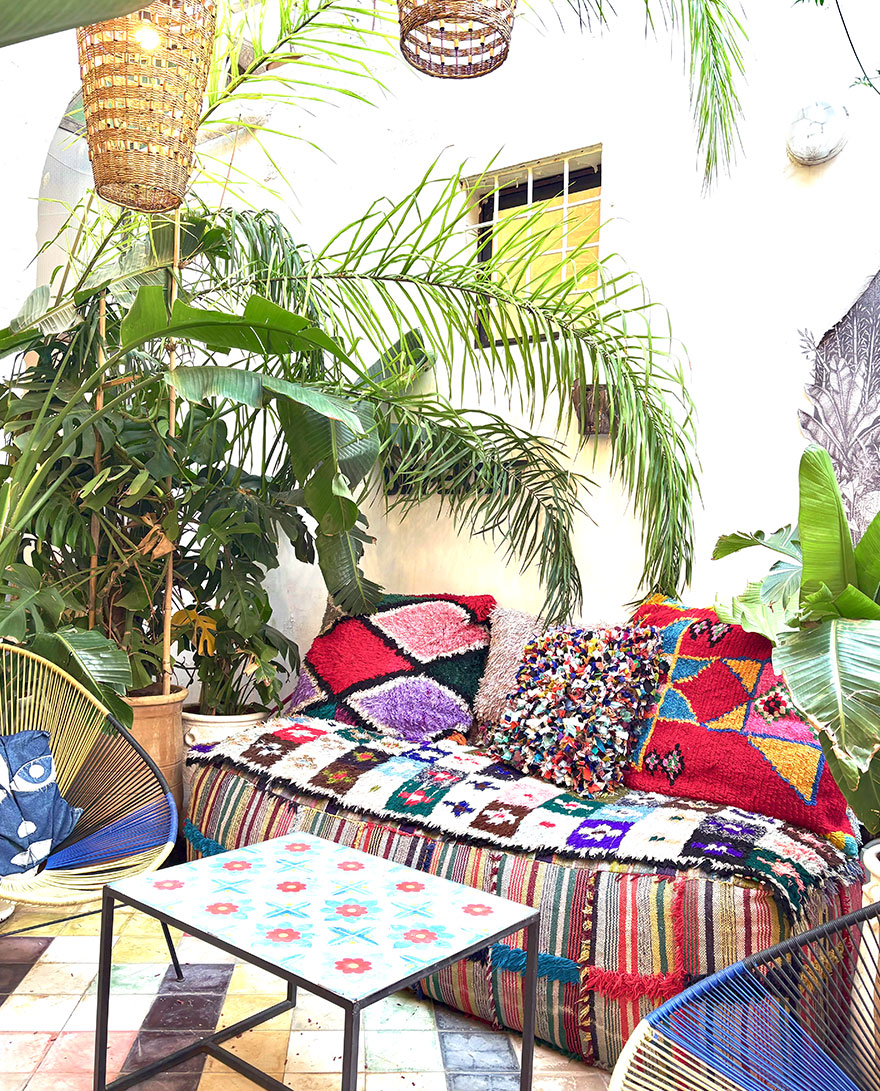
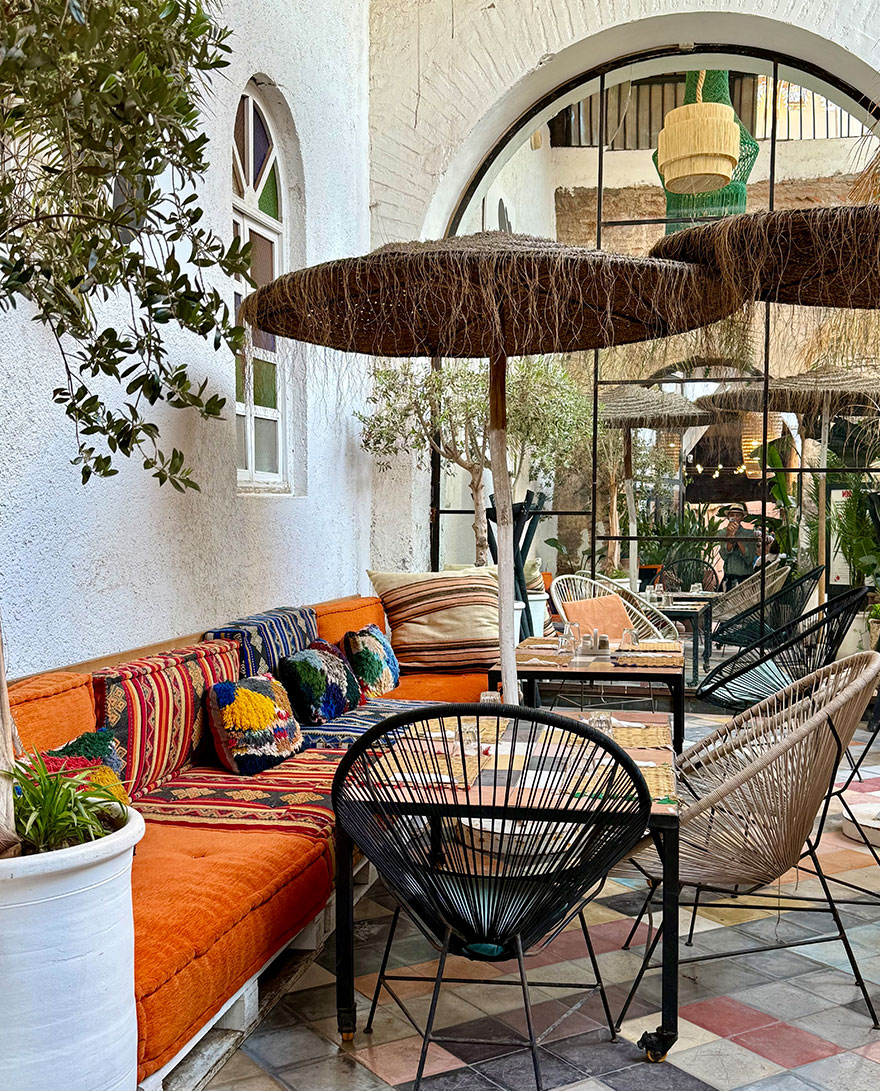
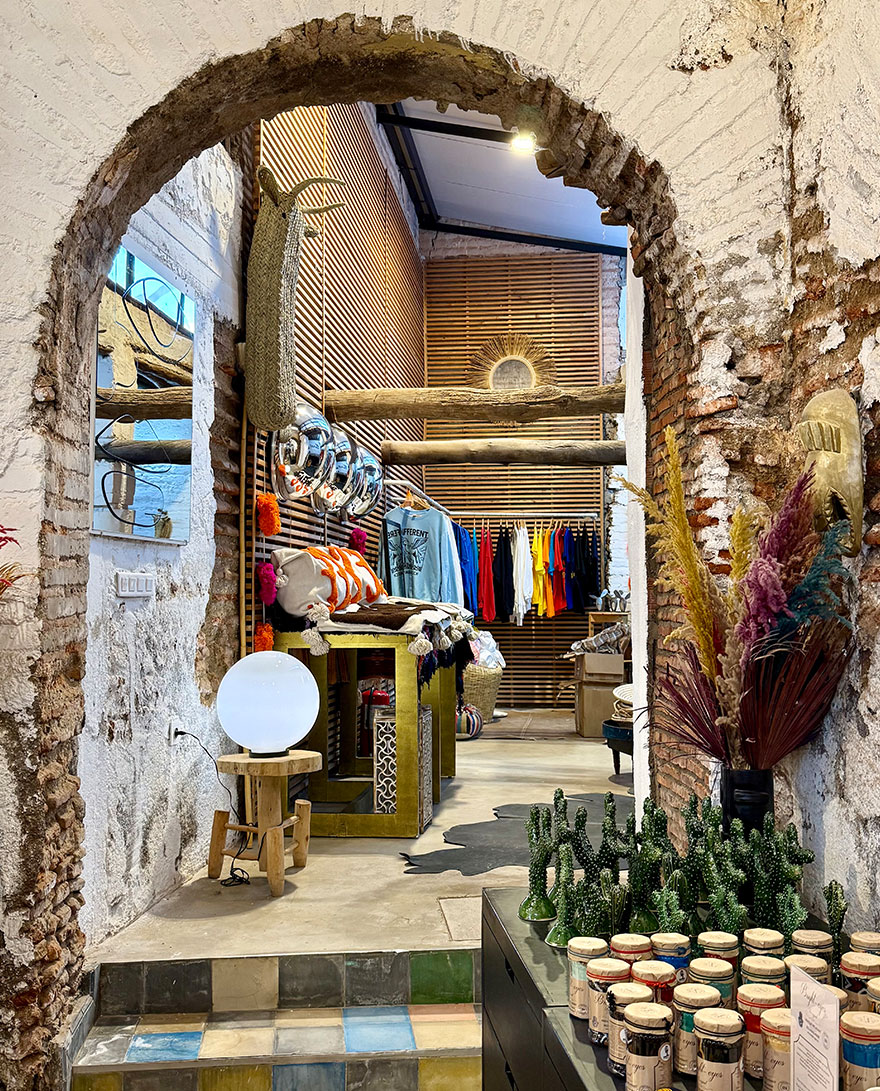
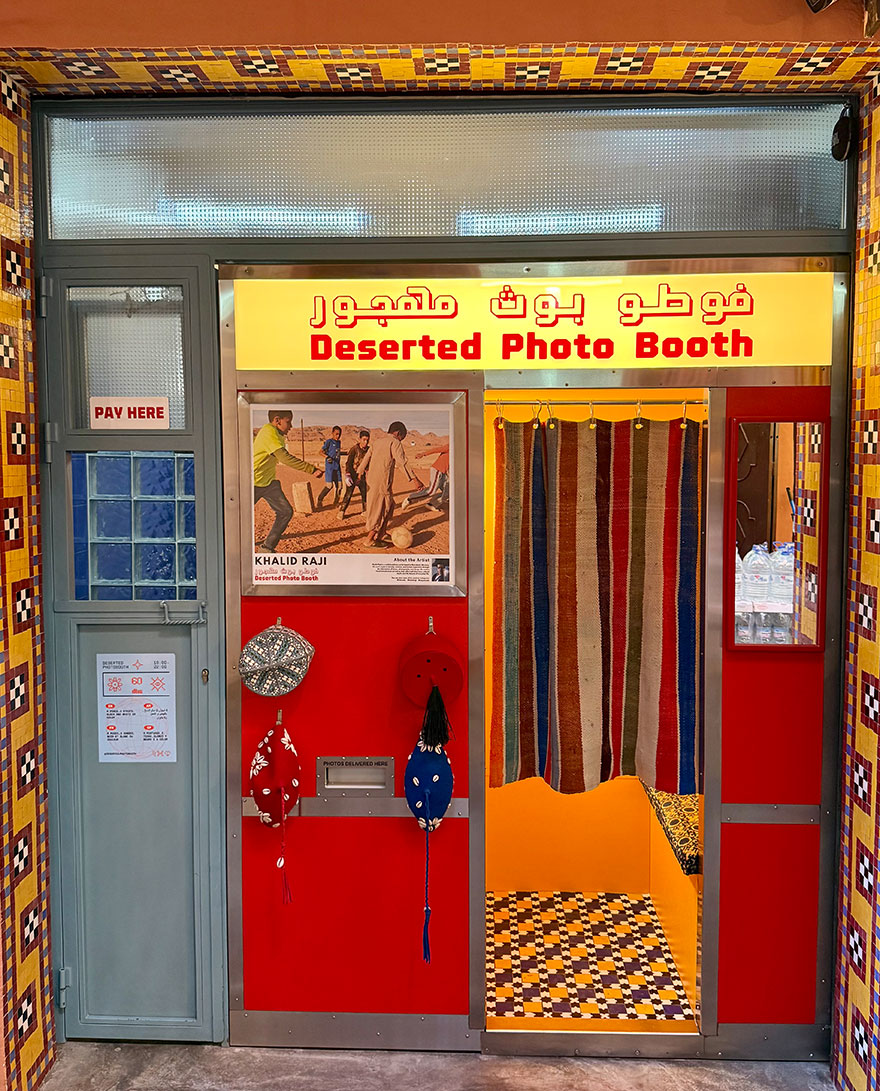
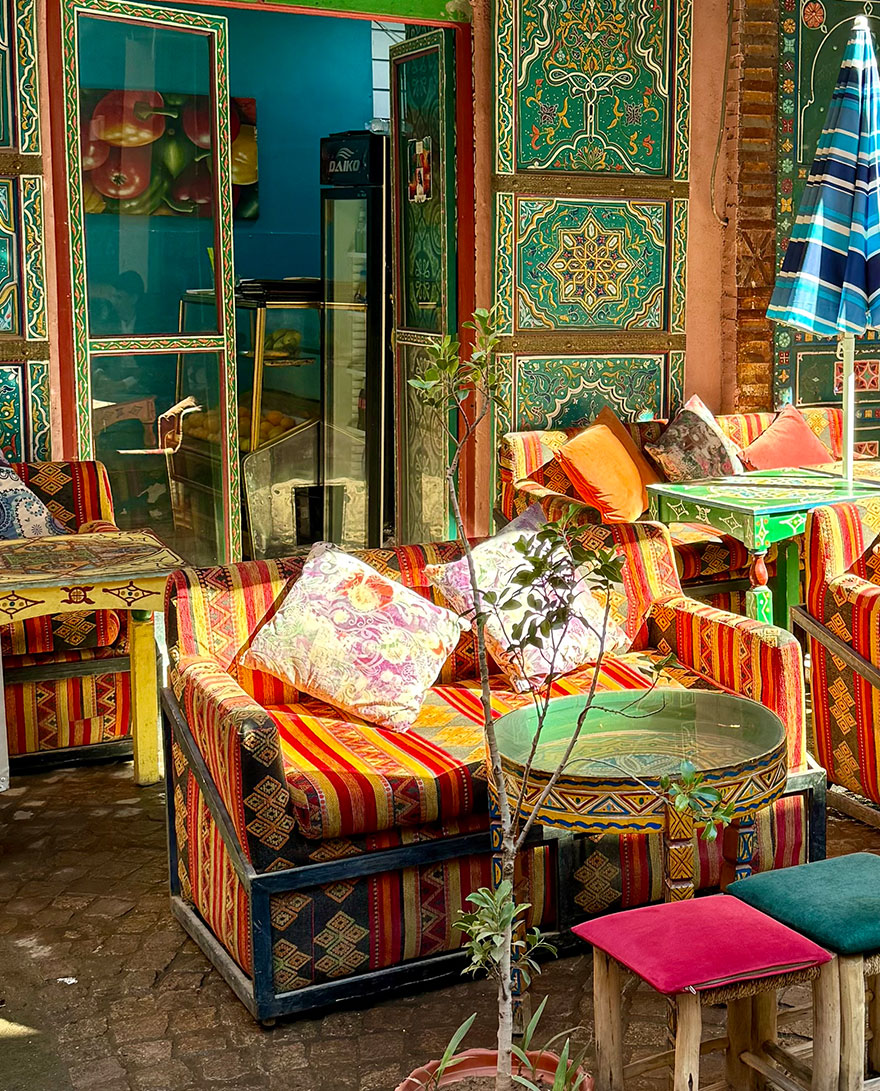
From here, it’s a short walk to Madrasa Ben Youssef, one of Marrakech’s main cultural sights (see Do). Start to head back south, stopping at 1112 Teashop, a beautifully and stylishly converted 300-year-old riad (see Drink). From here, head south in the direction of the Deserted Photo Booth, a fun spot to stop and take some fun photos!
Continue into Rue Riad Zitoun, which is a much quieter and more intimate part of the souk that we really enjoyed. Our walking tour ends at the Bahia Palace, the second of what we suggest are must-see cultural sights (see Do).
MADRASA BEN YOUSSEF
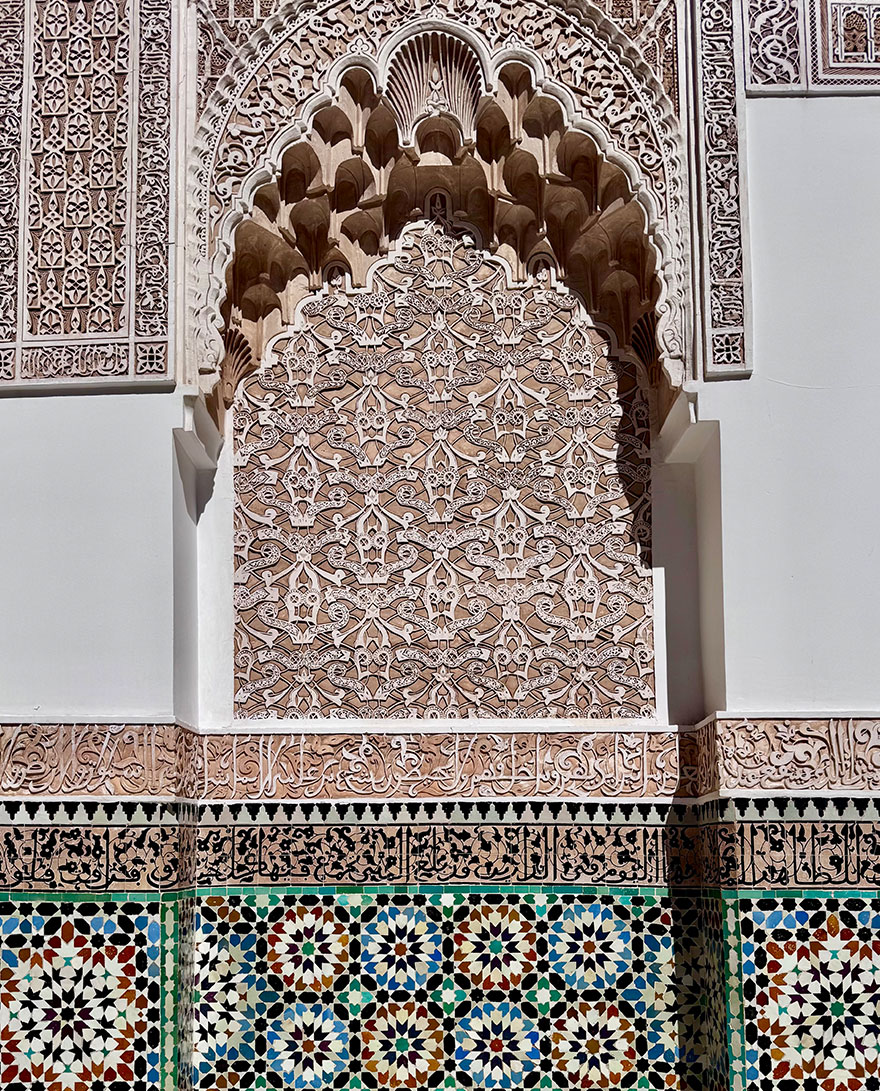
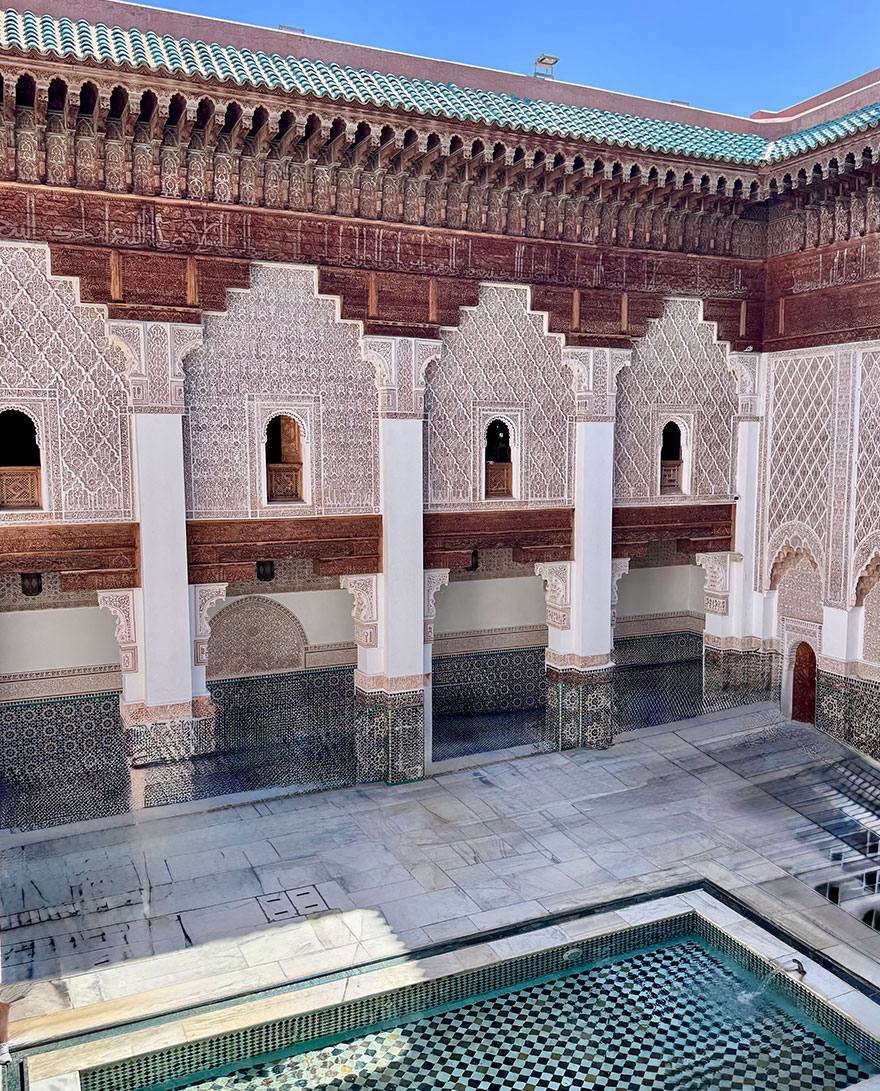
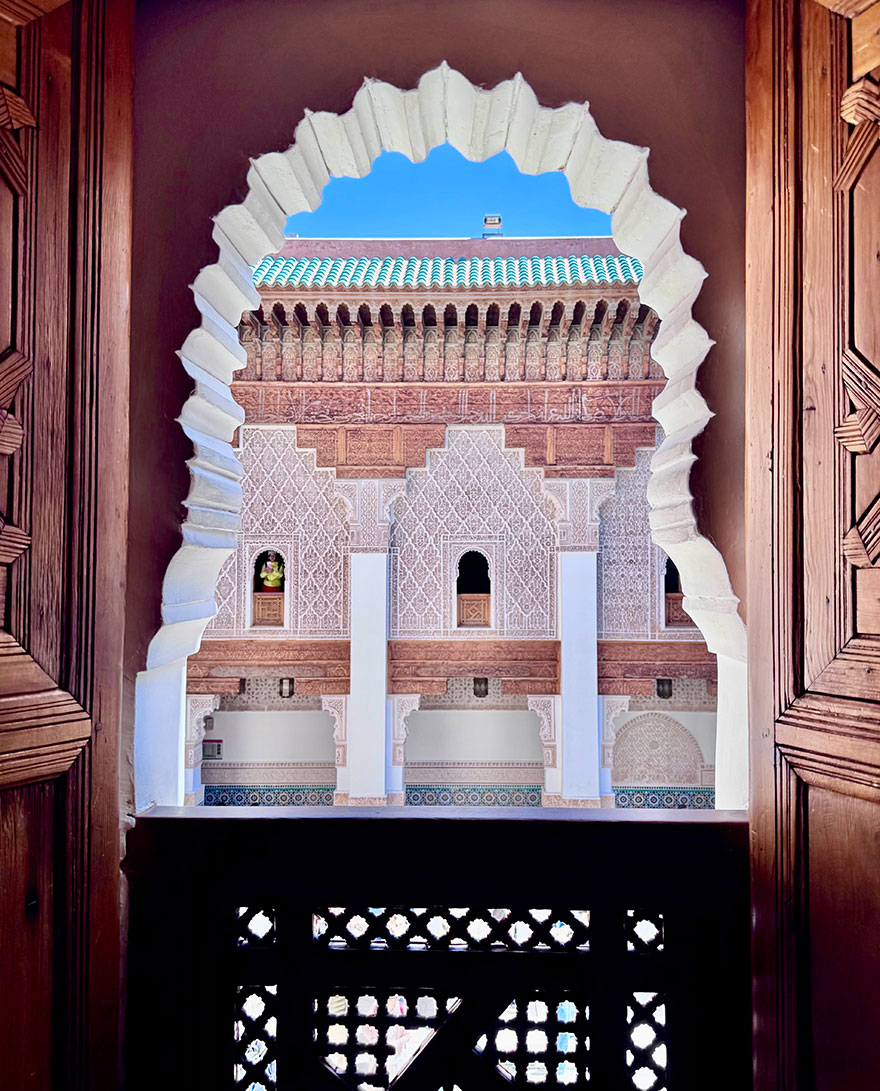
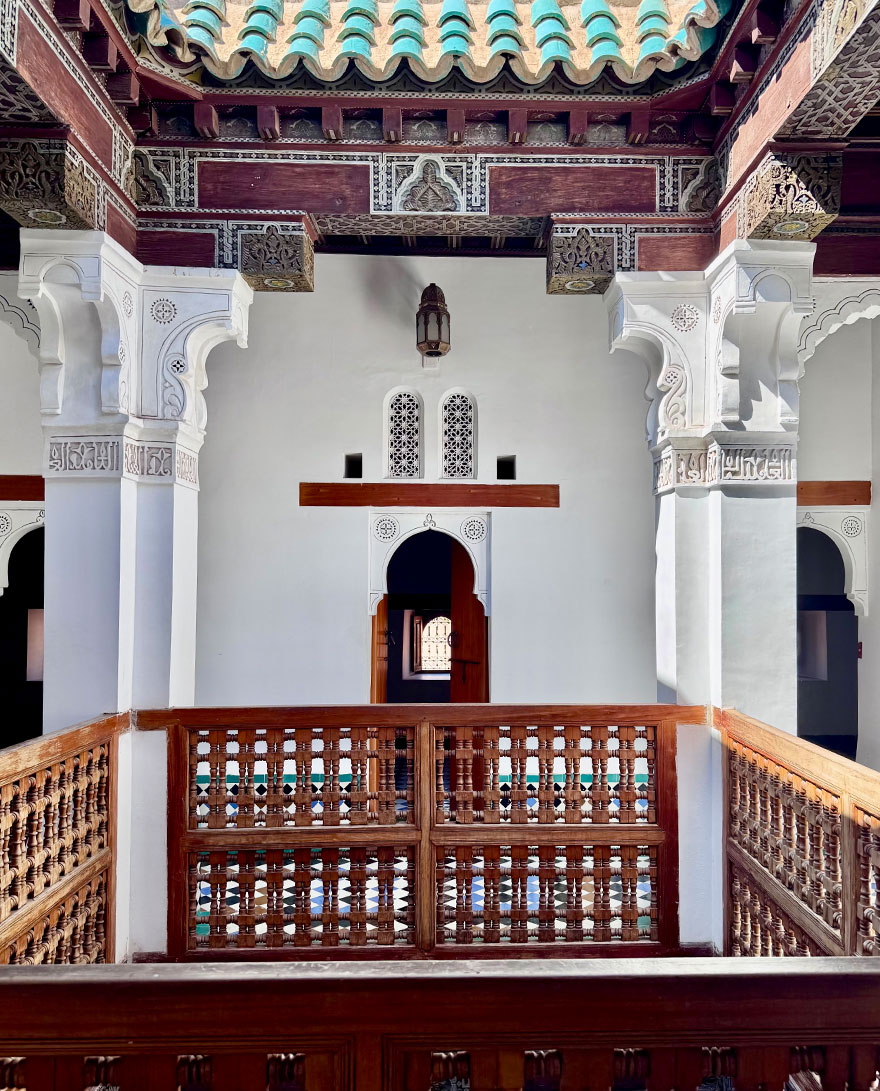
Madrasa Ben Youssef is one of the most impressive cultural sights we visited. Dating back to the 14th century, it was once one of the largest Islamic colleges in North Africa.
The central courtyard is the main focus, with a reflecting pool surrounded by layers of craftsmanship—zellige tiles at ground level, carved stucco on the walls and detailed cedar wood above. As you move through the building into the smaller rooms and corridors, you notice the intricate craftwork.
It gets super busy, so try to arrive early or at the end of the day if you can. You can’t reserve tickets in advance.
LE JARDIN SECRET
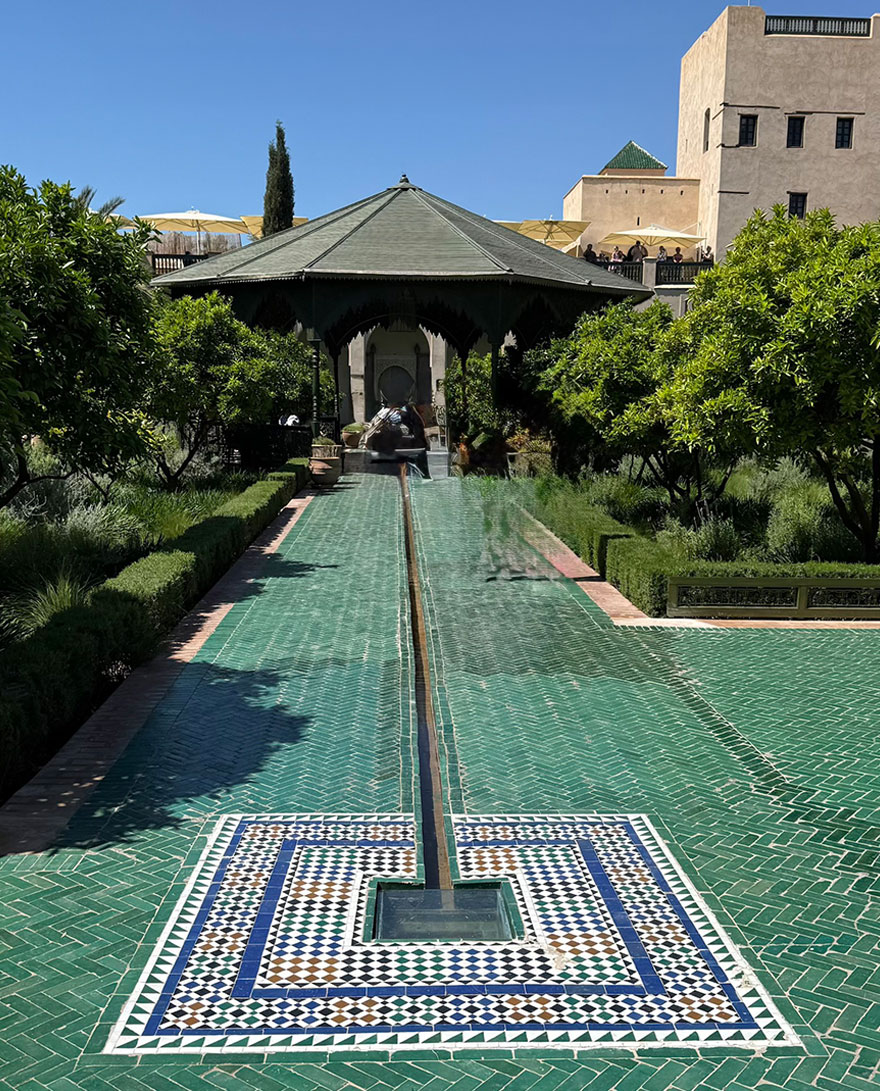
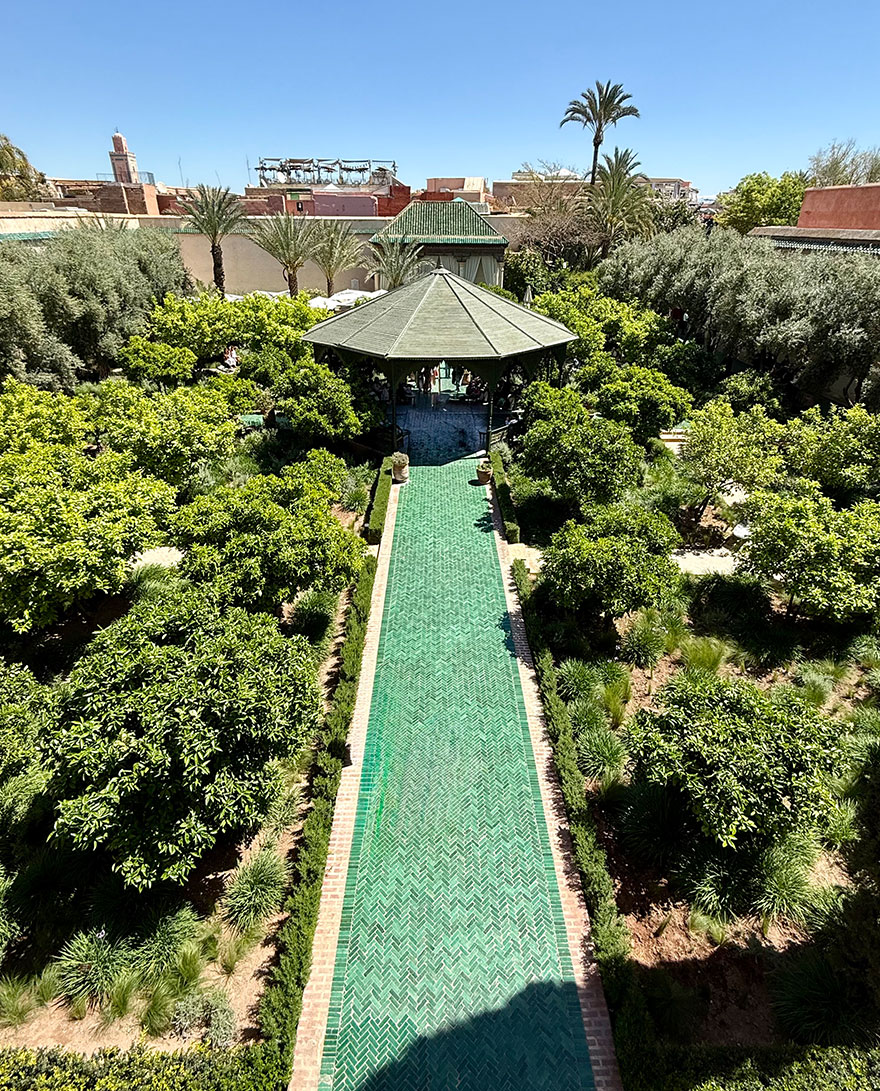
Le Jardin Secret sits in the middle of the medina, close to the Madrasa Ben Youssef. It’s a restored riad garden, designed using traditional Islamic principles, with a strong sense of structure. Pathways divide the space into different sections, with fountains, pools and planted areas creating a calm, ordered layout.
There’s a mix of greenery and architectural detail, and it feels well maintained without losing its character. There is a café on the upper terrace with views of the gardens.
BAHIA PALACE
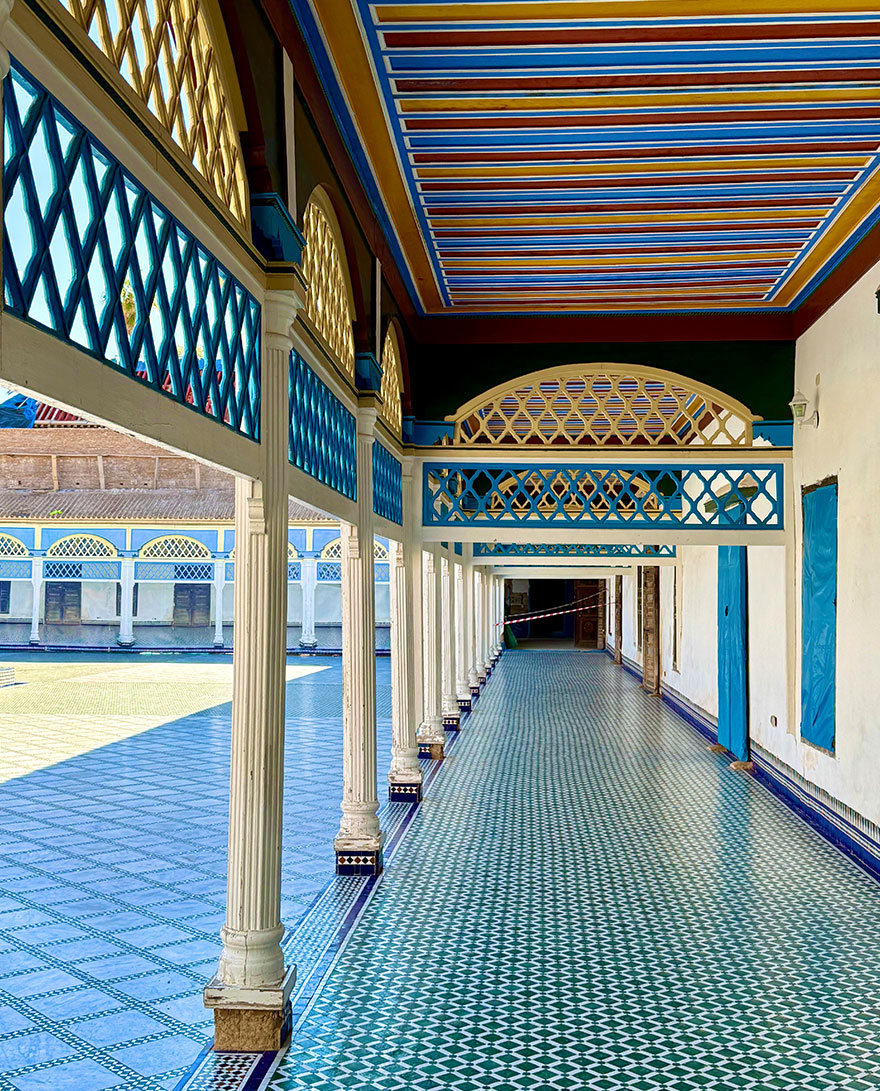
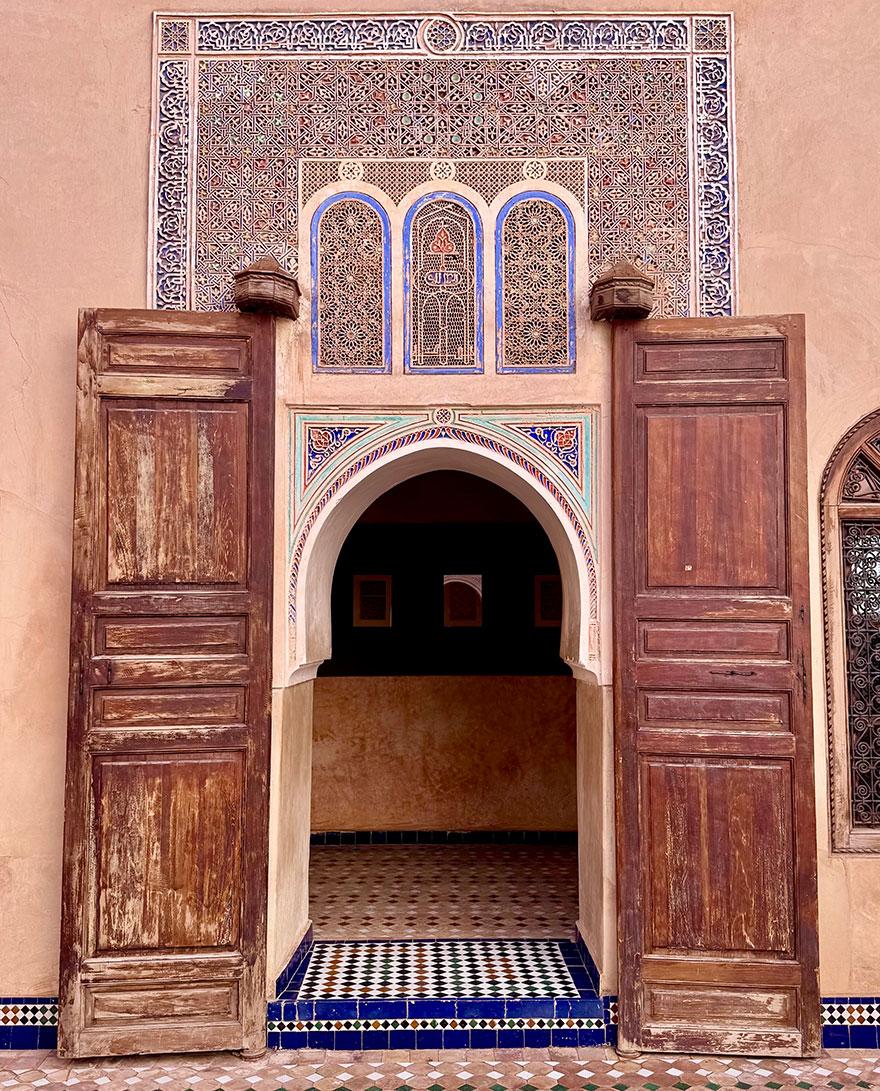
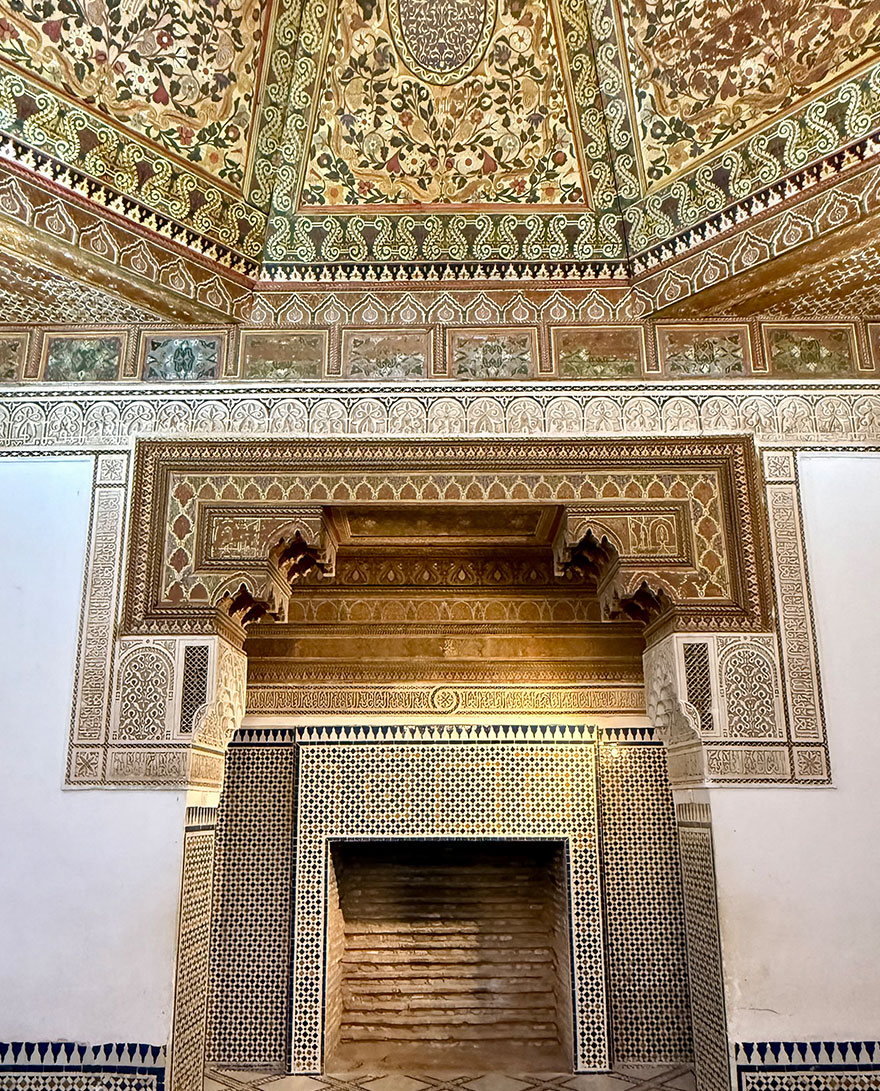
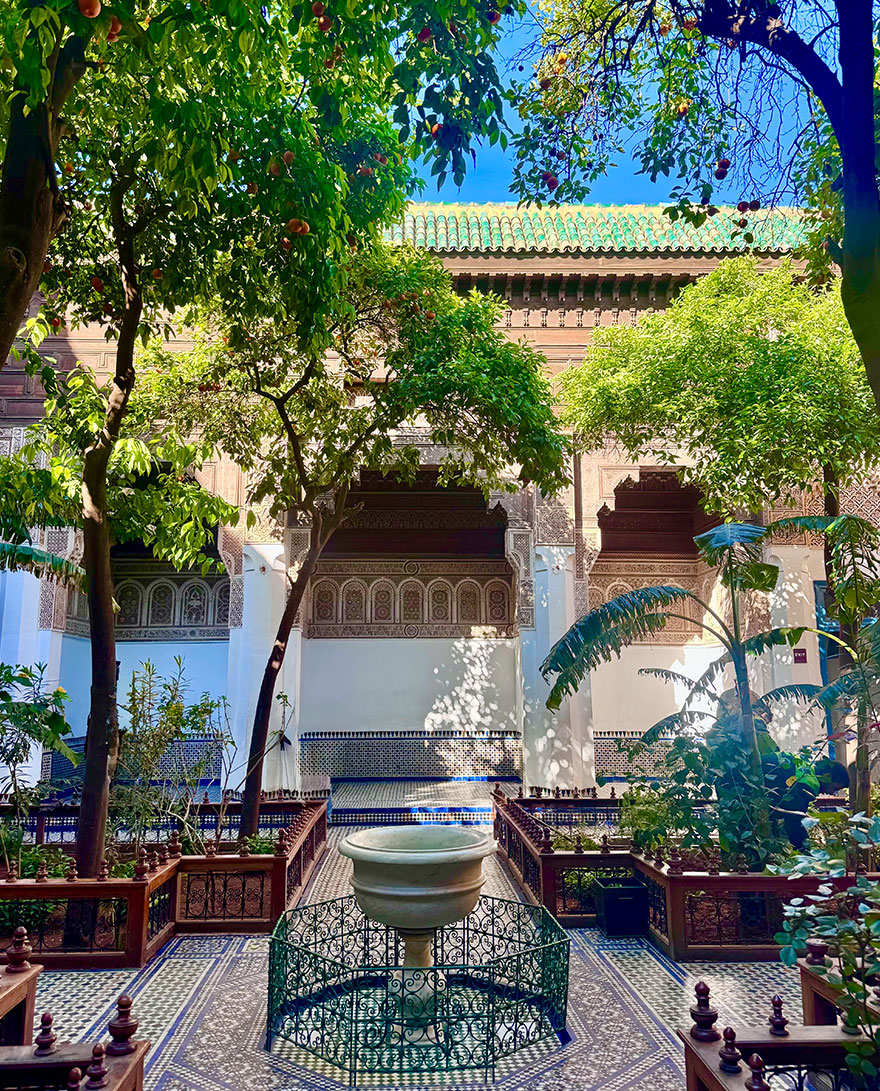
Bahia Palace is the second must-see site, built in the 19th century for a grand vizier. It’s made up of multiple courtyards, with the main one with colourful, Paul Smith-esque stripes! (below left) Craftsmanship is everywhere, with intricate painted cedar ceilings, geometric tiles, detail around the arches and door frames. There is also a small but pretty garden (below right).
Again, it gets very busy, so try to arrive early or at the end of the day if you can. You can’t reserve tickets in advance.
JARDIN MAJORELLE
A visit to Jardin Majorelle, then the Yves Saint Laurent Museum next door (see below) was one of the highlights of our trip. These two places are located in Guéliz, the new part of Marrakech, about 15 minutes to the west of the medina. Book tickets in advance for both, ideally aiming for a slot at the start of the day when it’s slightly less busy.
Jardin Majorelle was created in the 1920s by French artist Jacques Majorelle and later restored by Yves Saint Laurent and Pierre Bergé. As you walk through, the pathways guide you between different sections, with small water features, archways and shaded areas to pause.
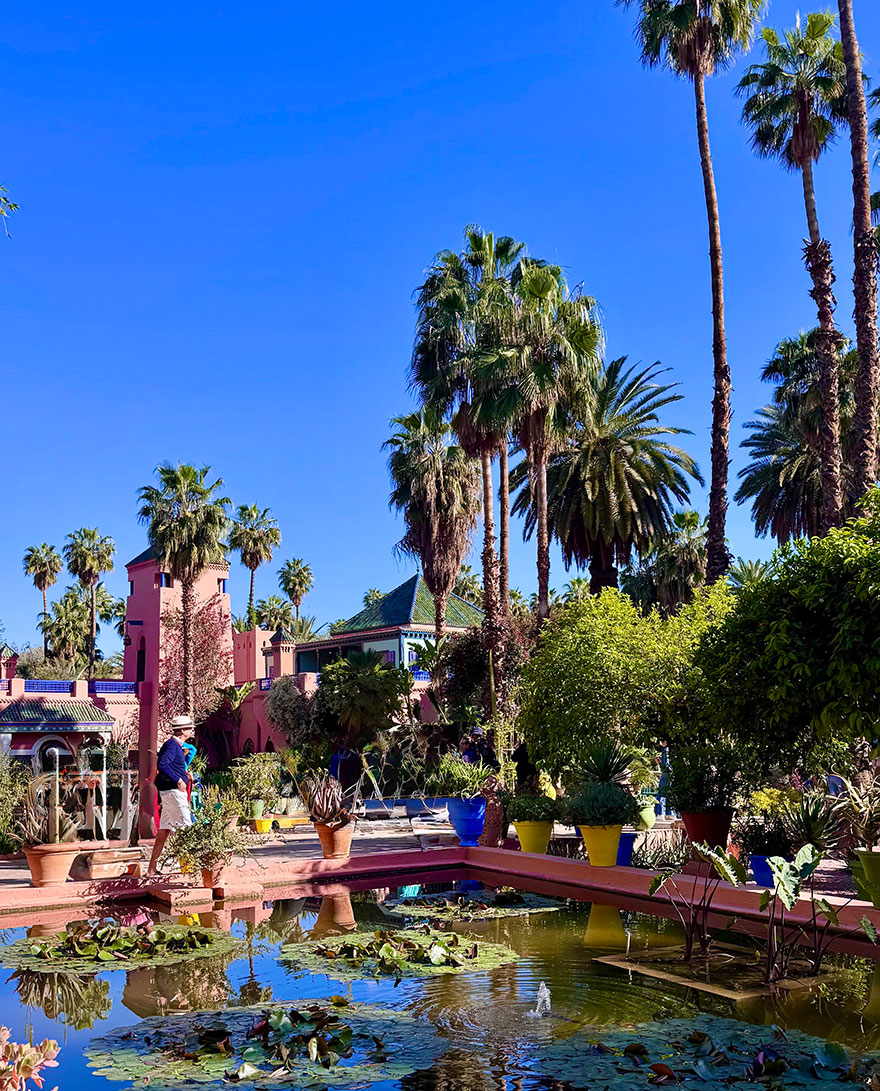
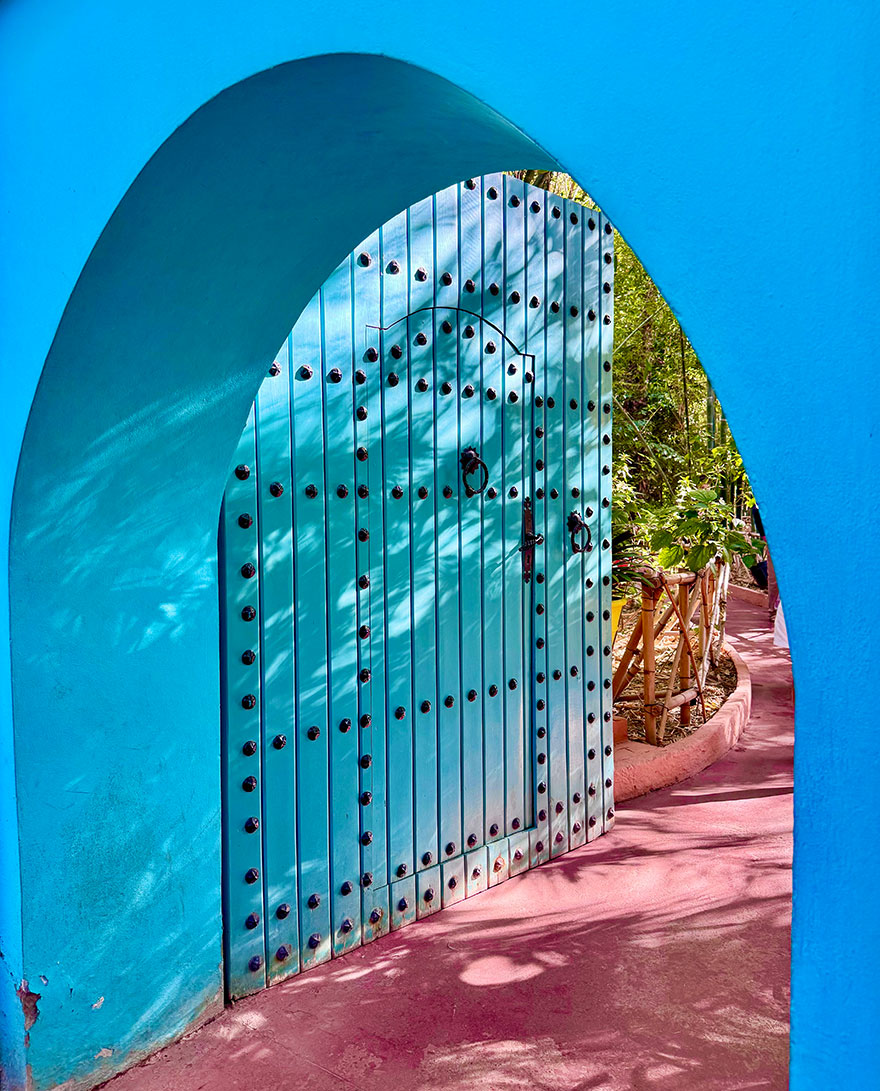
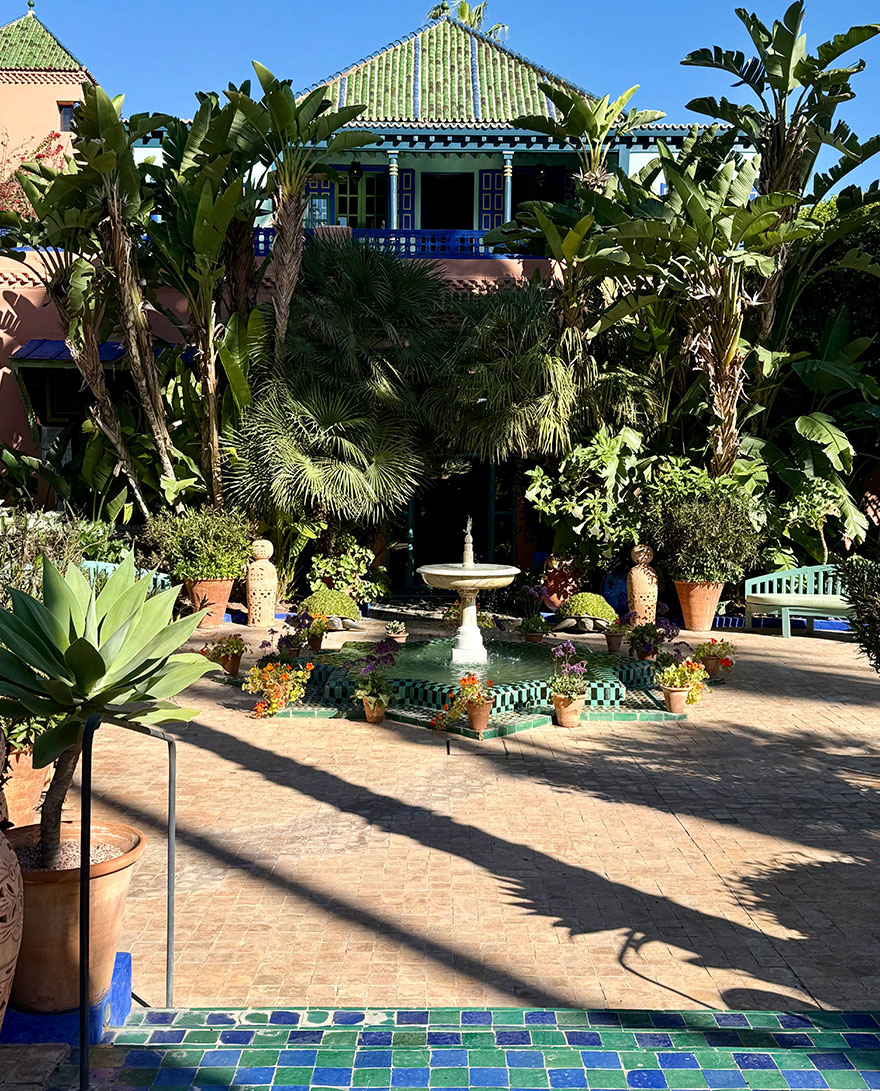
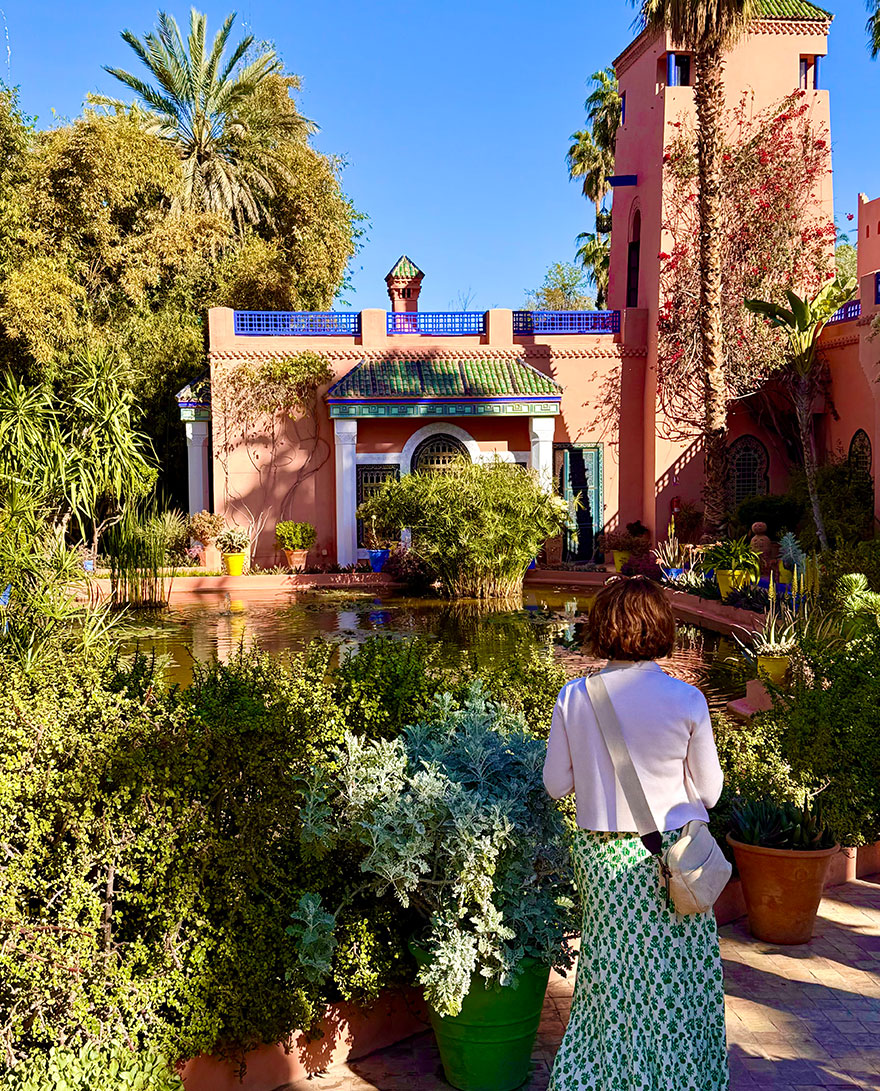
The ornate and beautifully kept gardens are home to stunningly colourful blue buildings painted in yellow and a special blue colour called Majorelle Blue, with the main villa the star attraction (below middle). These stand out against the planting of bamboo, palms and cacti.
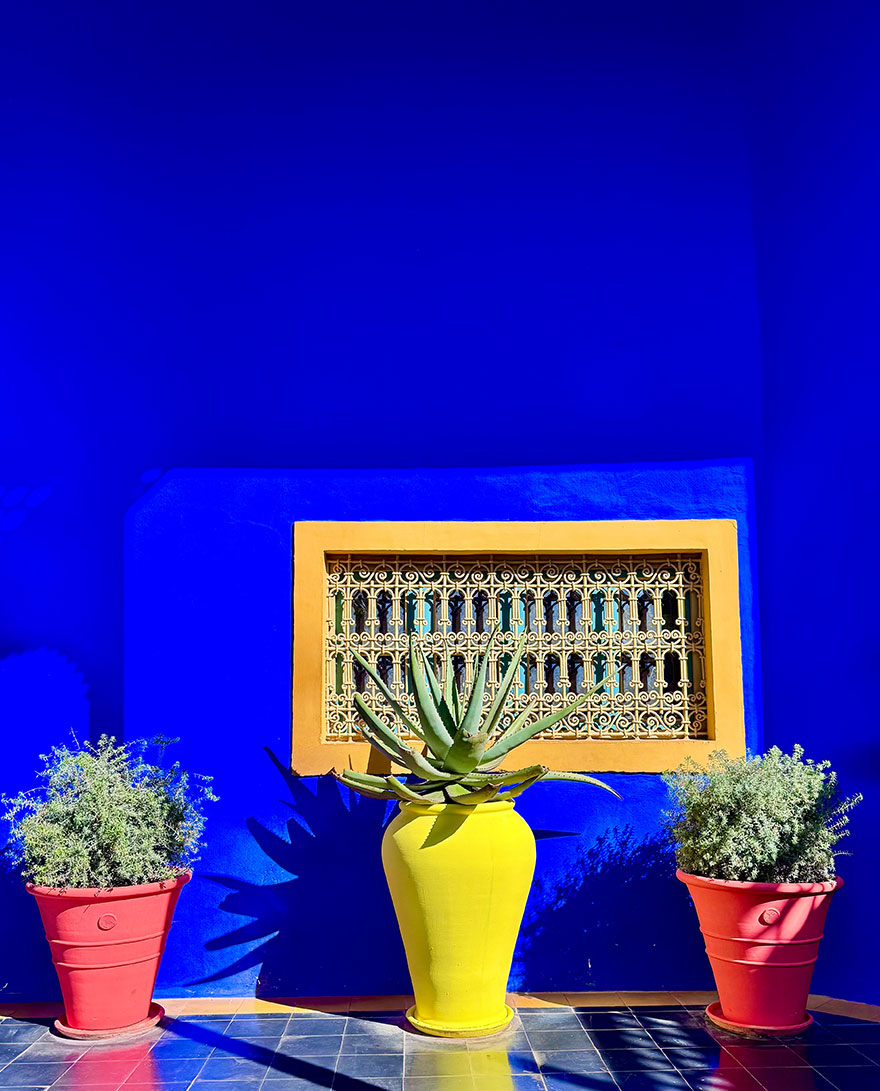
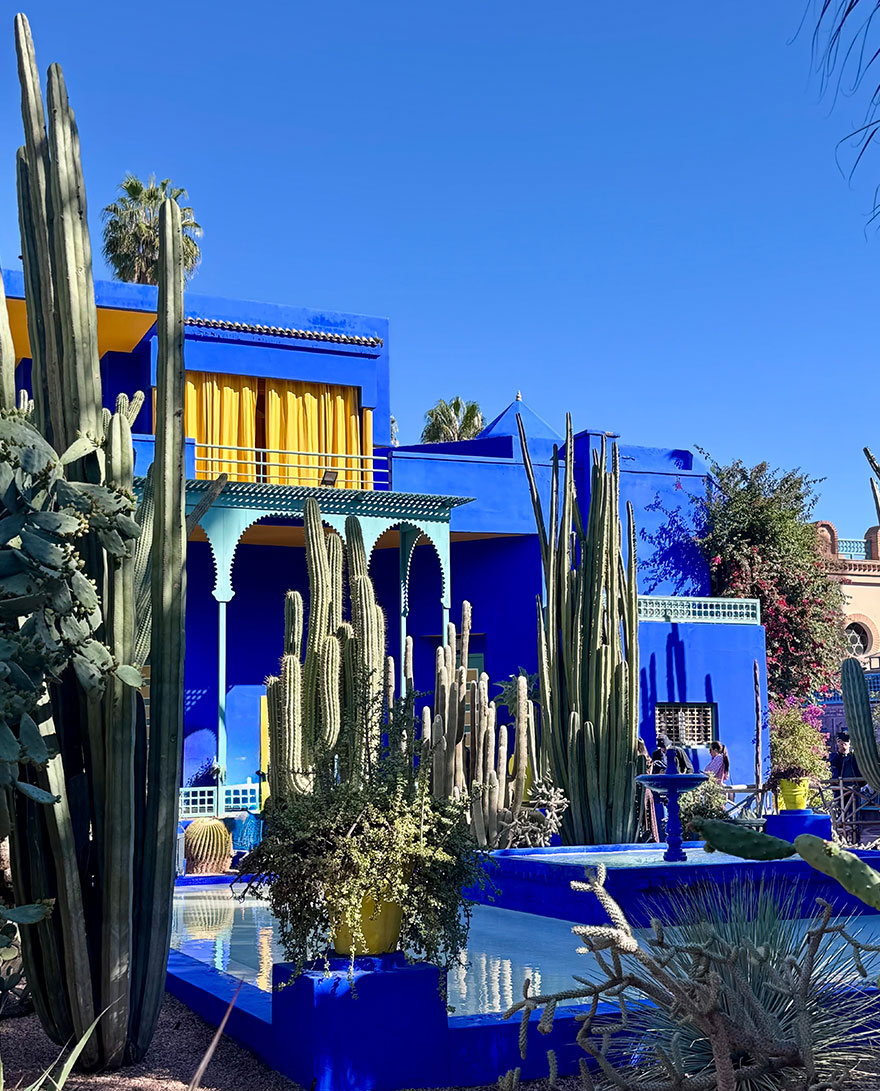
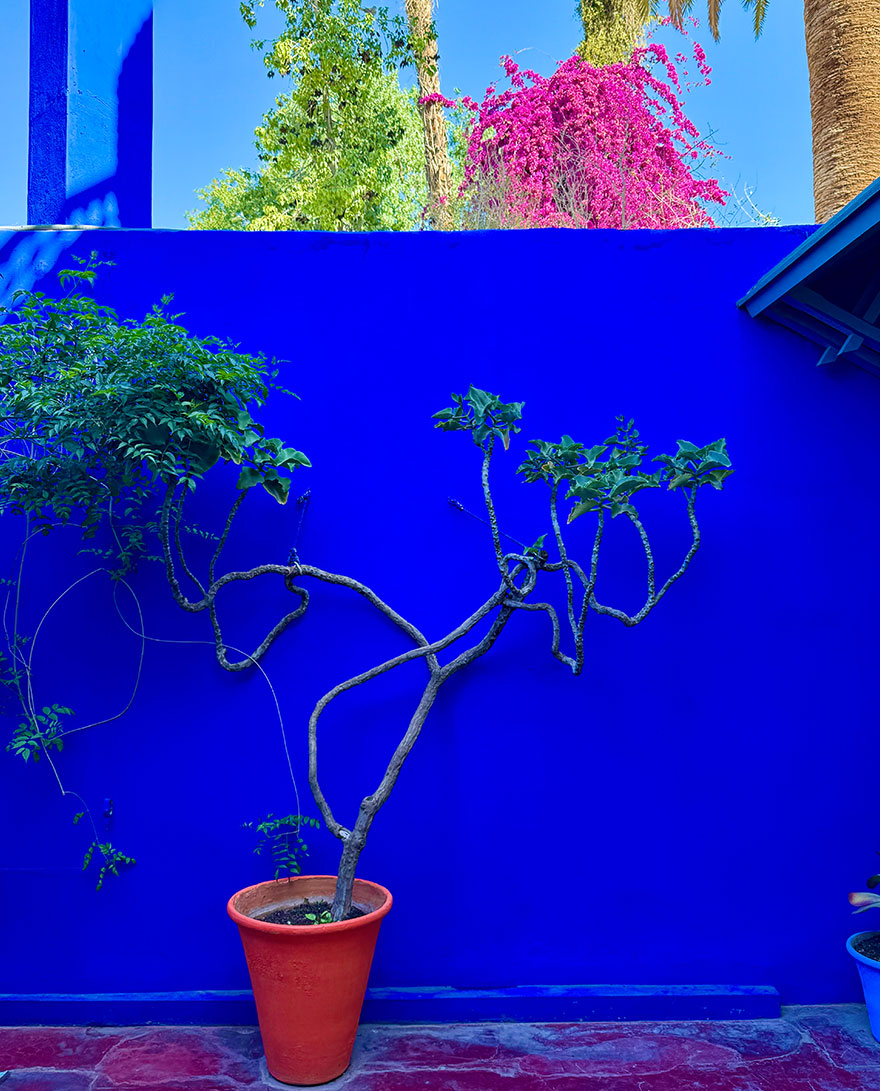
The boutique is also worth a proper look rather than just a quick pass through on the way out. It is beautifully done, with the kind of pieces that feel stylish and well chosen rather than standard gift-shop filler. The selection includes posters, books, ceramics, textiles, small homeware and accessories that reflect the look and spirit of the garden.
There is a nice little café next door called Le Studio, a good spot to take a break before visiting the Yves Saint Laurent Museum.
YVES SAINT LAURENT MUSEUM
The Yves Saint Laurent Museum is a beautifully designed building, with a sleek, calm and atmospheric feel. Rather than a static shrine to Yves Saint Laurent, there are temporary exhibitions looking at different aspects of the designer’s work and life. When we went, the exhibition focused on his work for theatre and film, which gave a completely different perspective on him. A smaller exhibition in one room featured photographs of him with his much-loved dogs.
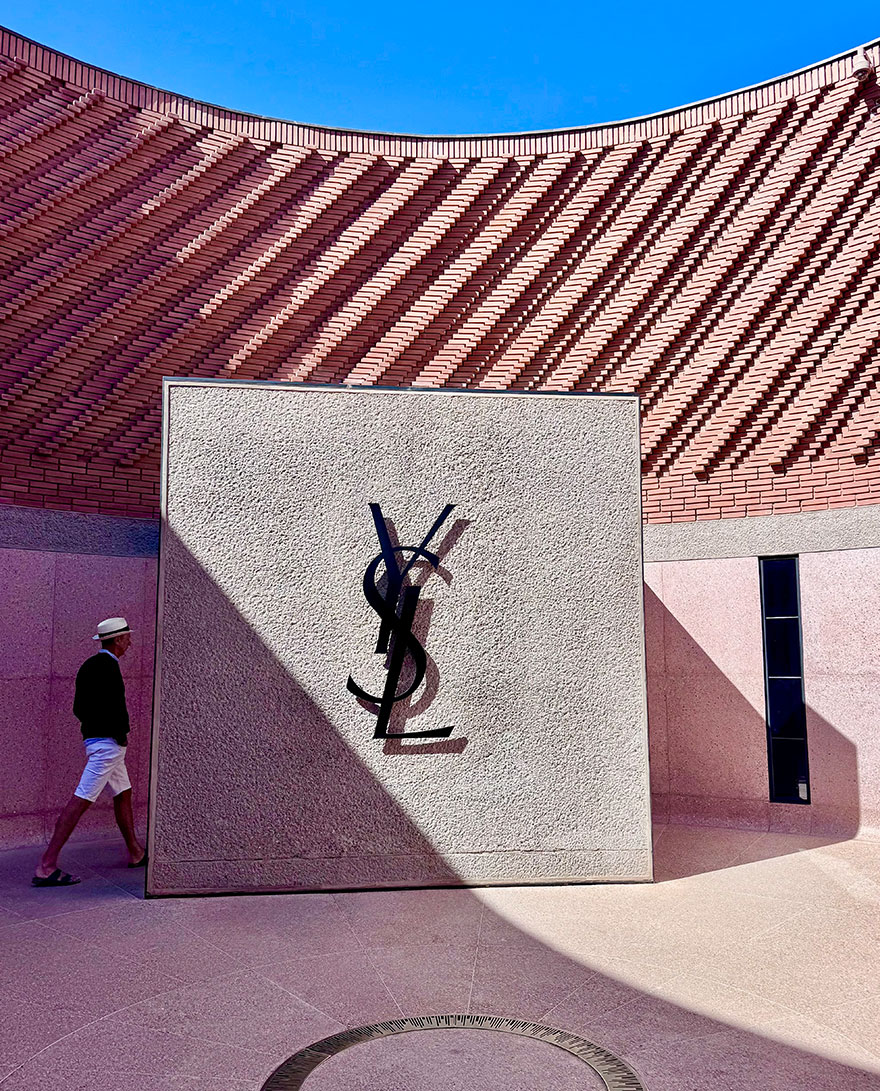
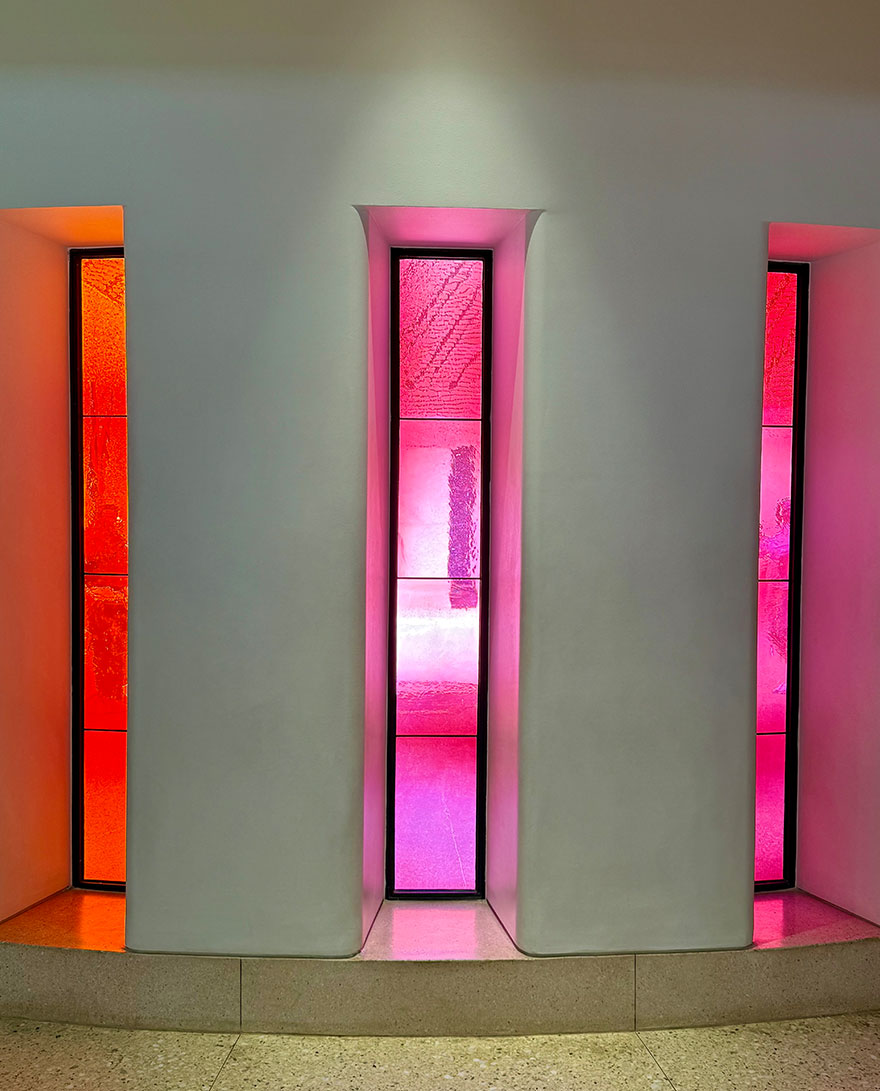
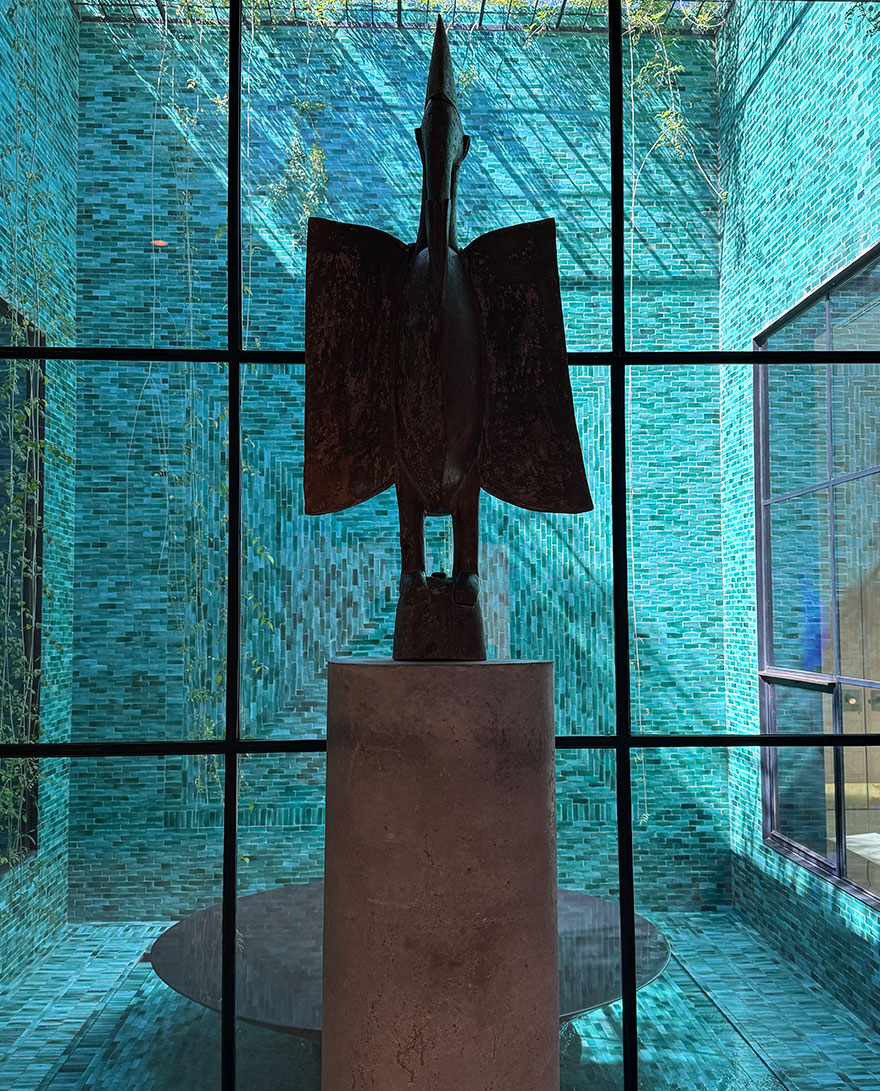
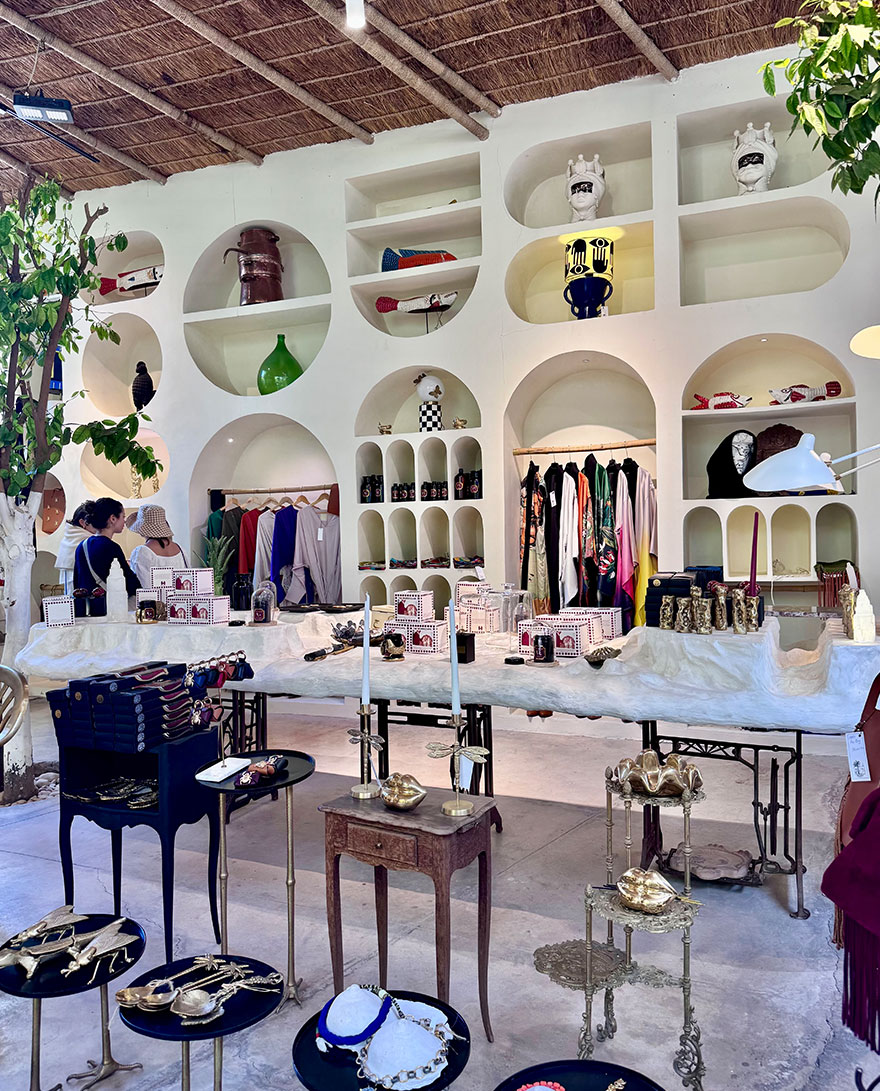
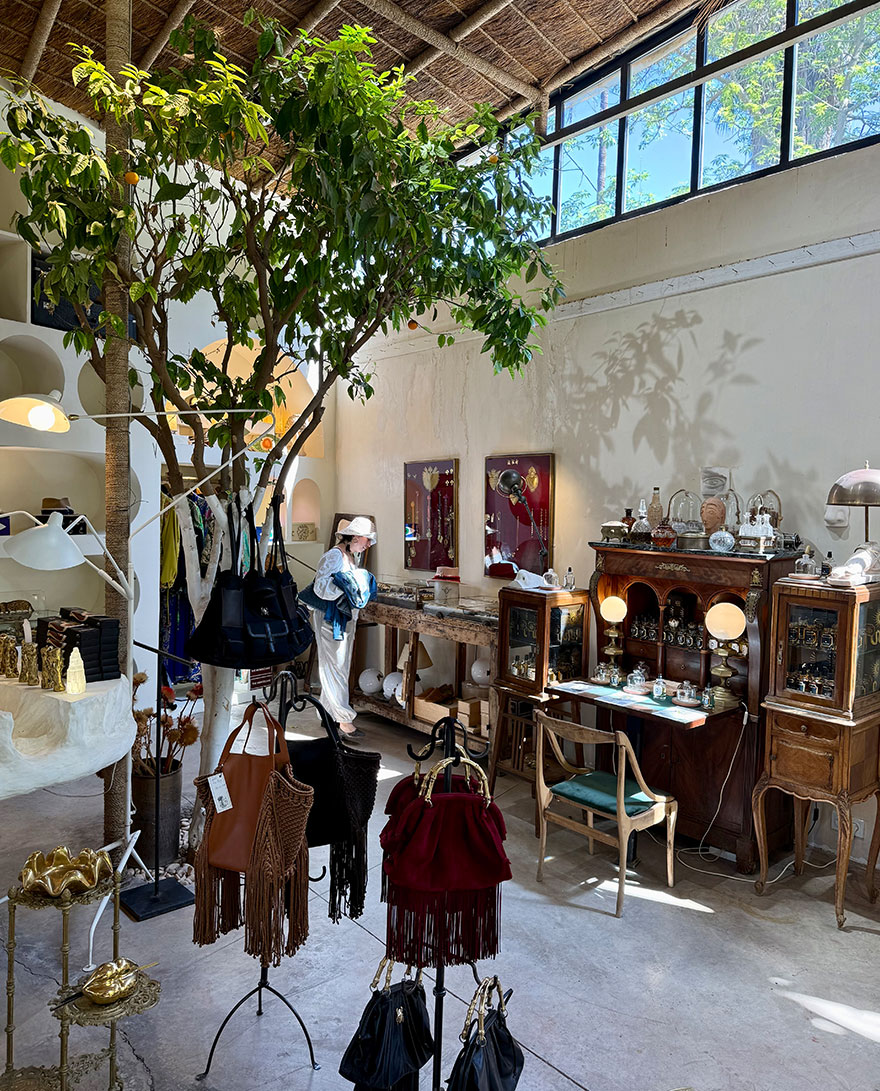
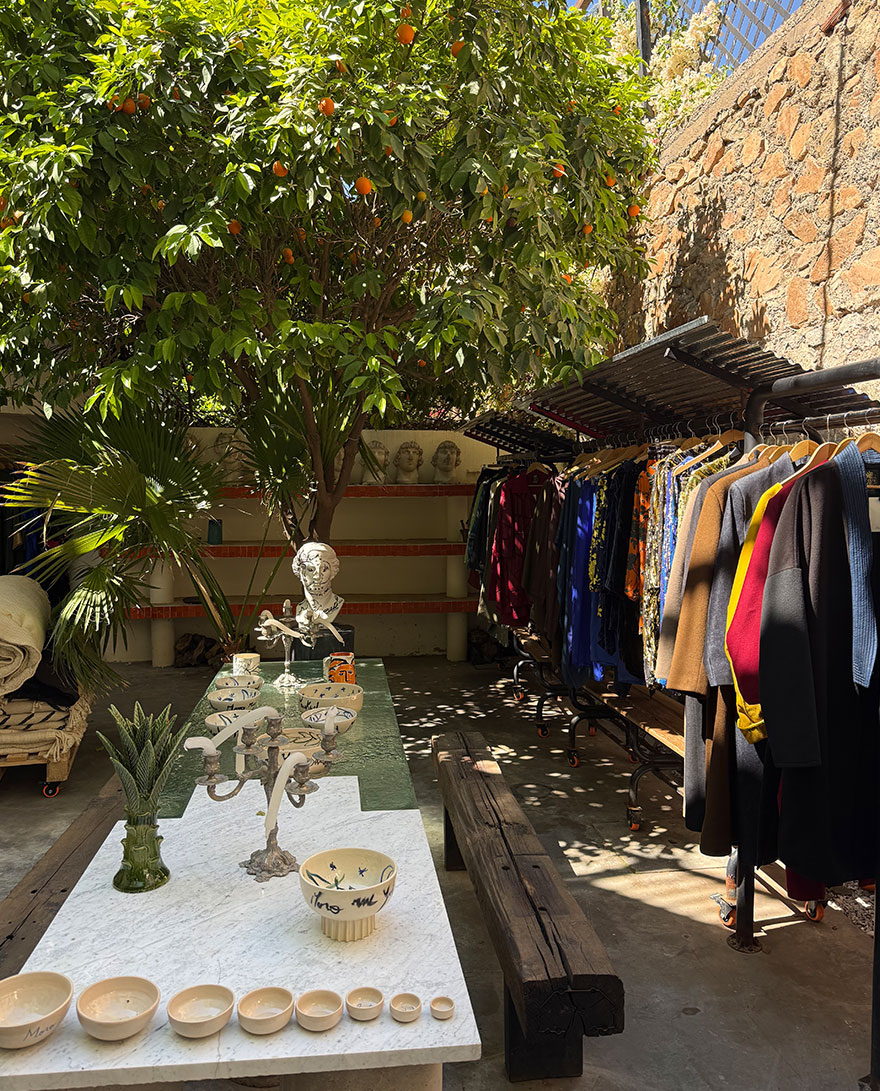
Afterwards, we popped into the Moro concept store nearby, part of a destination that also includes a boutique hotel and restaurant. Here, you can browse silk kaftans, skincare products and homeware spread across multiple rooms and outdoor courtyards, all of which are designed and made in Morocco.

Dine
L’MIDA
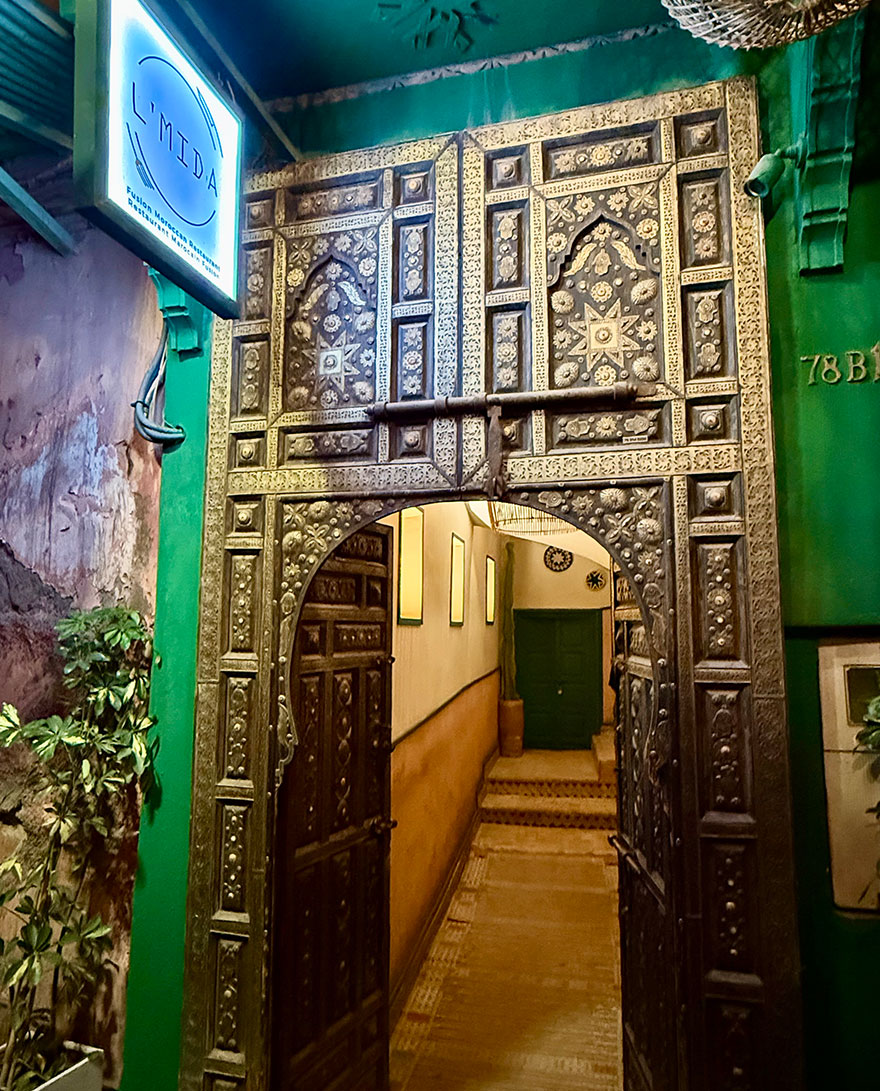
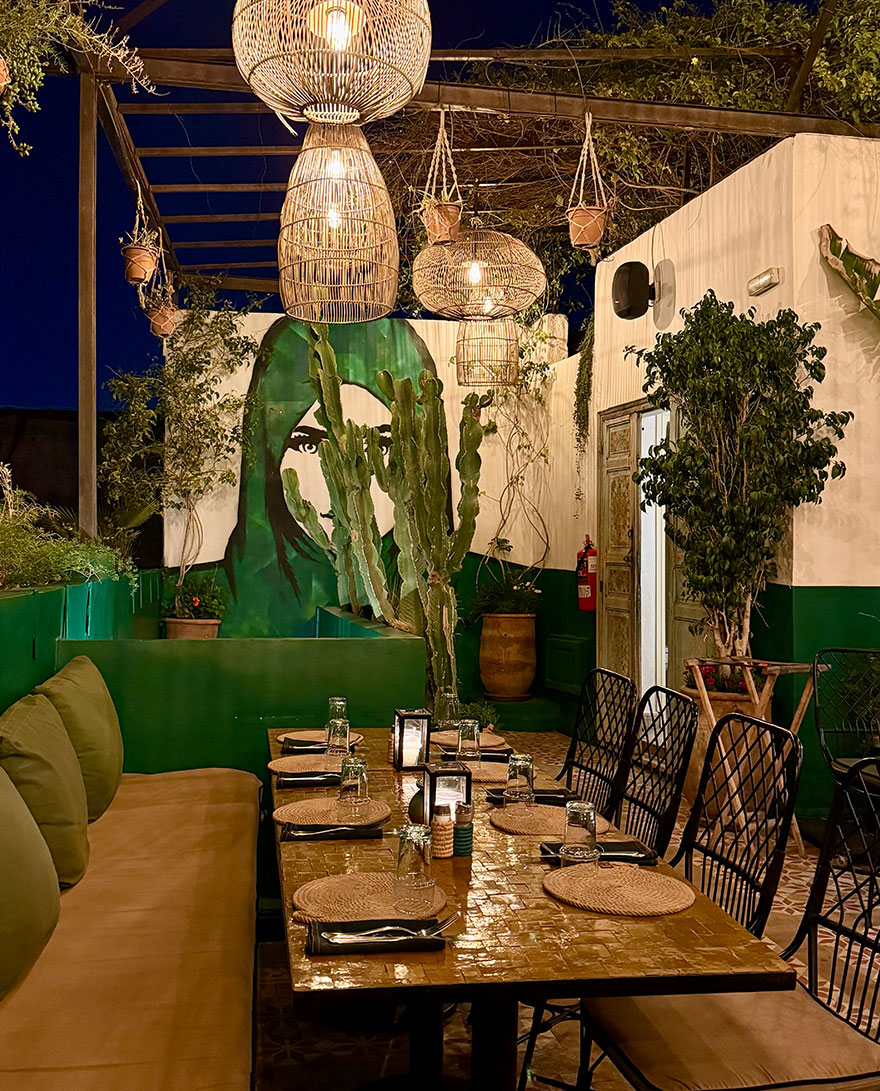
L’Mida is one of the many rooftops in the medina, situated close to the bustling Place des Épices. Climb up and you’re in a space that feels a world away, with a terrace featuring tiled floors and green plants. The menu focuses on lighter Moroccan dishes, with fresh salads, smaller plates and grilled dishes that are easy to share. The atmosphere builds through the evening, starting fairly relaxed and then becoming more lively. Like all popular places in Marrakech, book ahead to be sure of a table!

PÉTANQUE SOCIAL CLUB
Pétanque Social Club was one of our favourite dining experiences we had in Marrakech. It’s in Guéliz, the new town c.15” west of the Medina and a good spot to head for lunch after visiting Le Jardin Majorelle.
The food is a refreshing change from the traditional Moroccan dishes we’d had in many places. The pizzas were excellent—thin, well-made bases with options like burrata and basil or truffle and mushroom. Alongside that, there’s a broad spread of dishes with different influences, from tuna tacos and Caesar salad to burgers and pulled beef sandwiches. The main plates bring in more of a local angle, with things like a mixed grill of kefta, merguez and lamb chops, or roast cauliflower served with chermoula.
The outside space is built around an old pétanque court from the 1930s, which is still in use. The courtyard has shaded tables and a cool bar and was busy and buzzy on the day we had lunch.
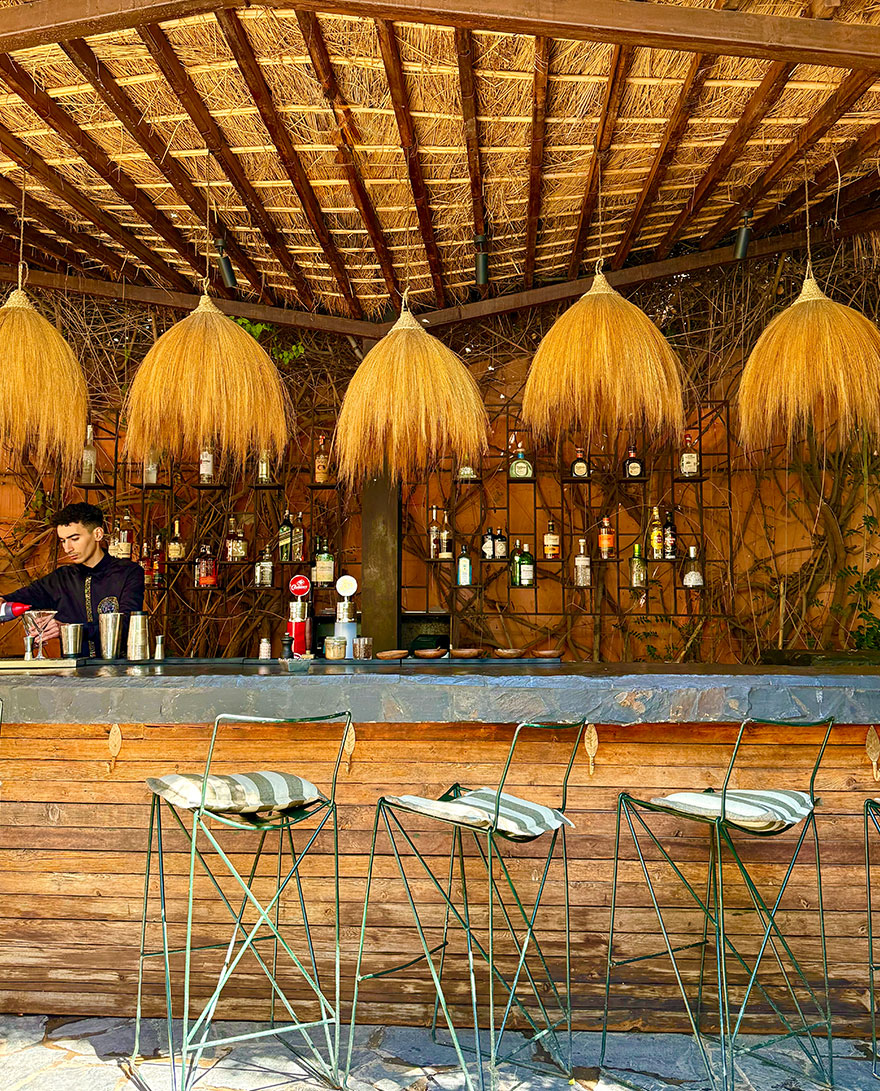
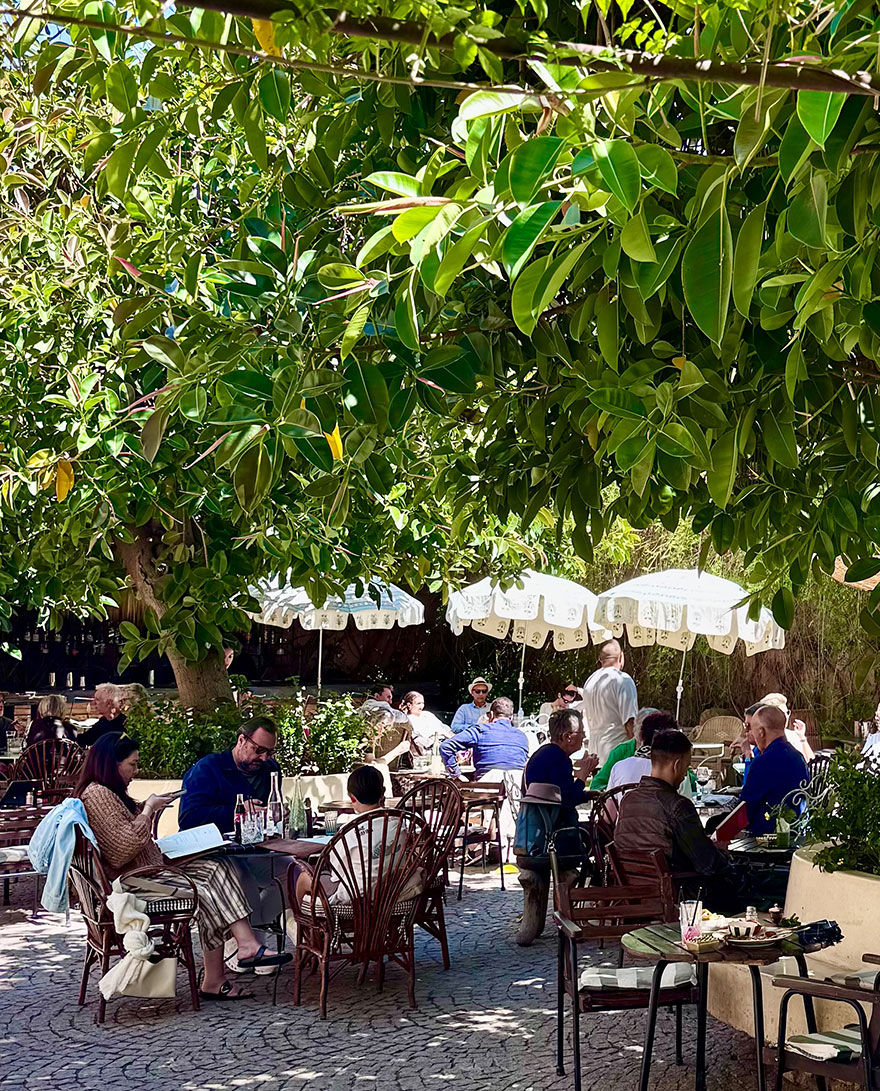
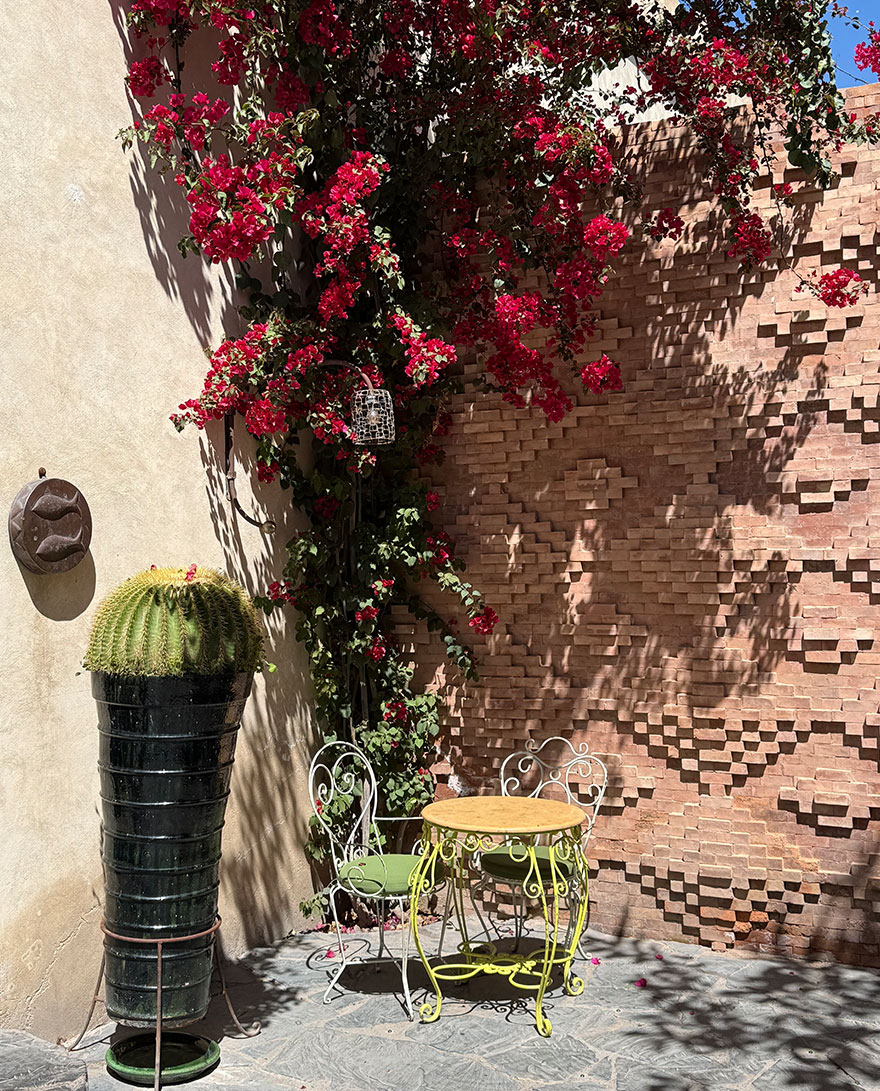
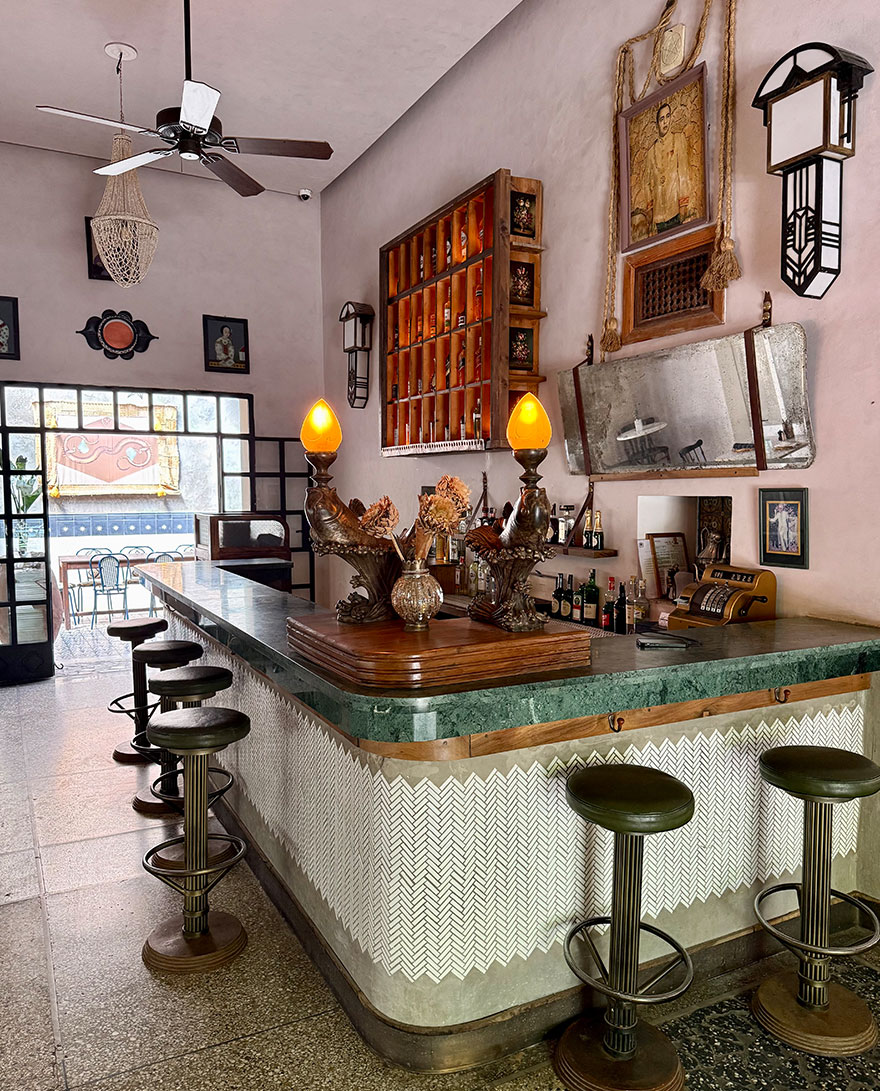
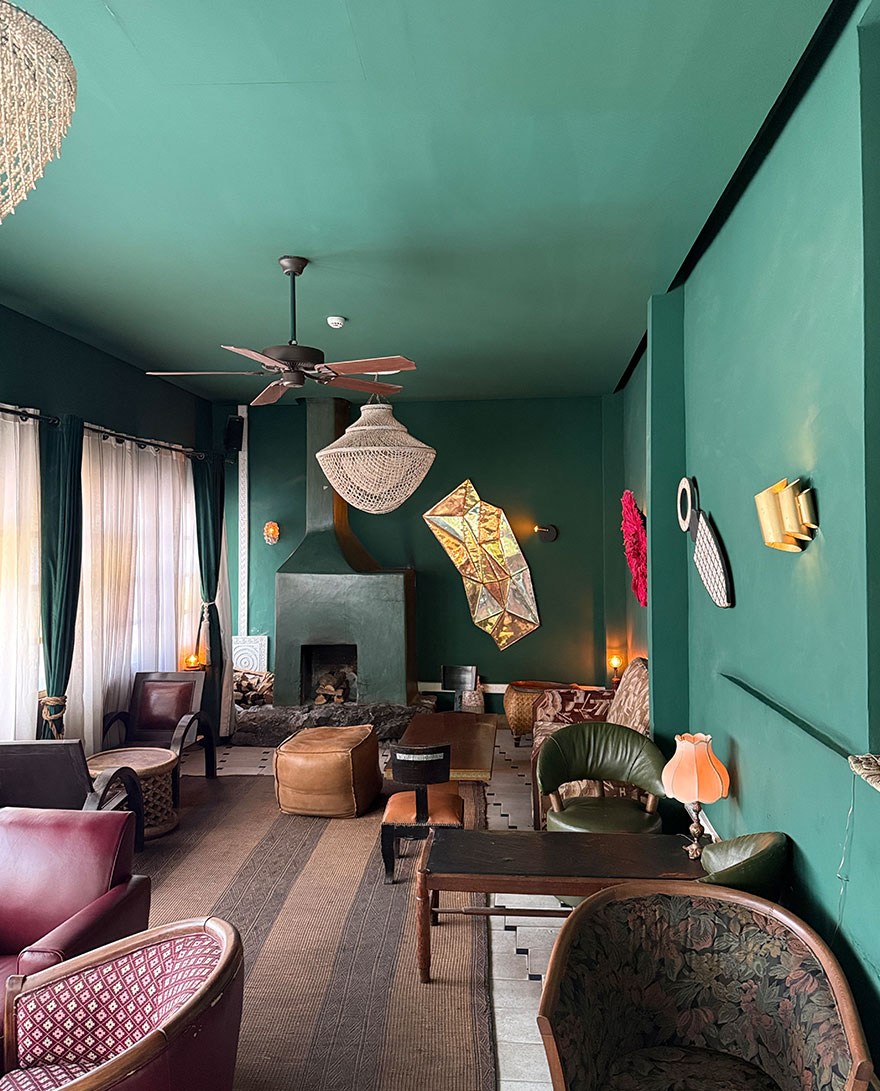
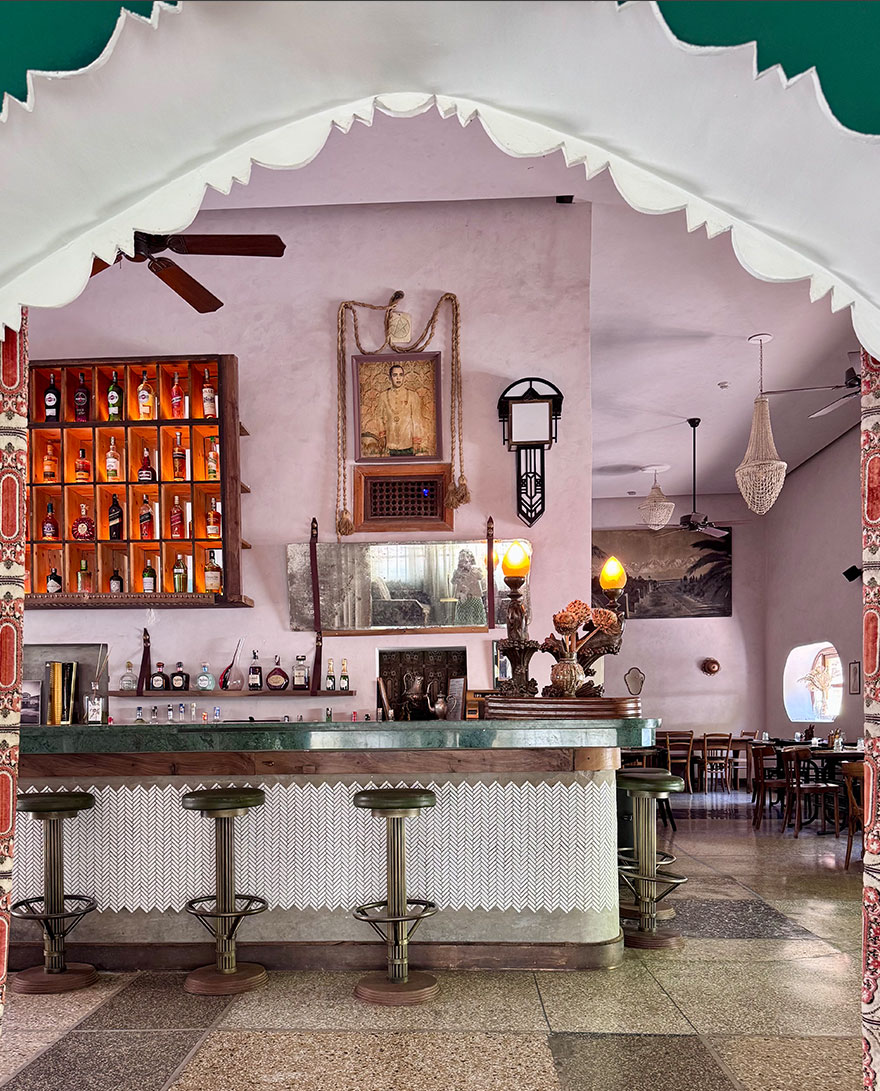
Inside, rooms are filled with old photographs of the club and vintage furniture. It feels like a mix of history and more recent design updates, without losing its original character.
KABANA ROOFTOP
Kabana is one of the more lively rooftops in the medina and works well when you want something with a bit more energy. It’s more of a social spot than a quiet dinner venue, and it gets busier as the evening goes on with a live DJ. The setting has views across the rooftops and a pool that sits at the centre of the space
The menu is designed for sharing, with a mix of lighter plates, comfort food and more international options depending on what you feel like. There’s a good selection to start, from things like octopus carpaccio, sea bream ceviche and salmon gravlax, alongside more relaxed options such as truffle fries or guacamole. The main dishes cover a lot of ground, with grilled meats, fish and pasta sitting alongside Moroccan-influenced plates like lamb shank or chicken dishes with richer sauces. There’s also a strong sushi section, with nigiri, sashimi and rolls all available.
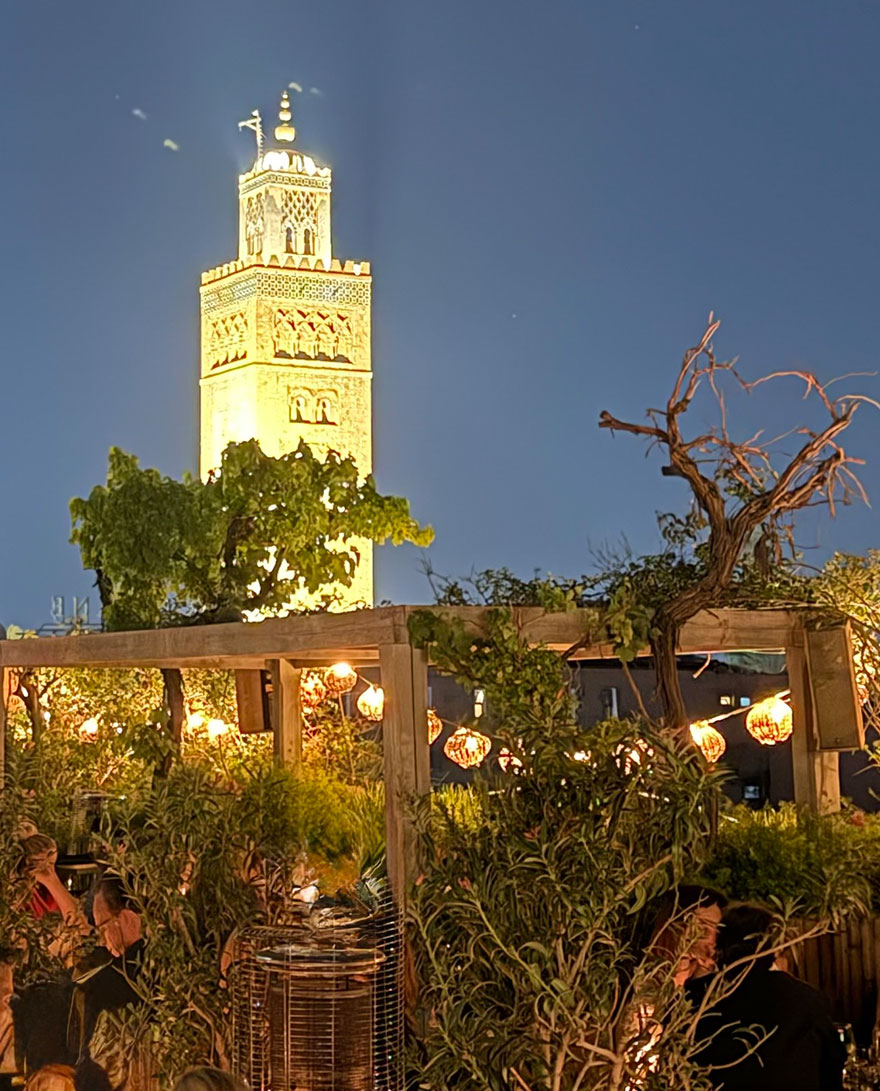
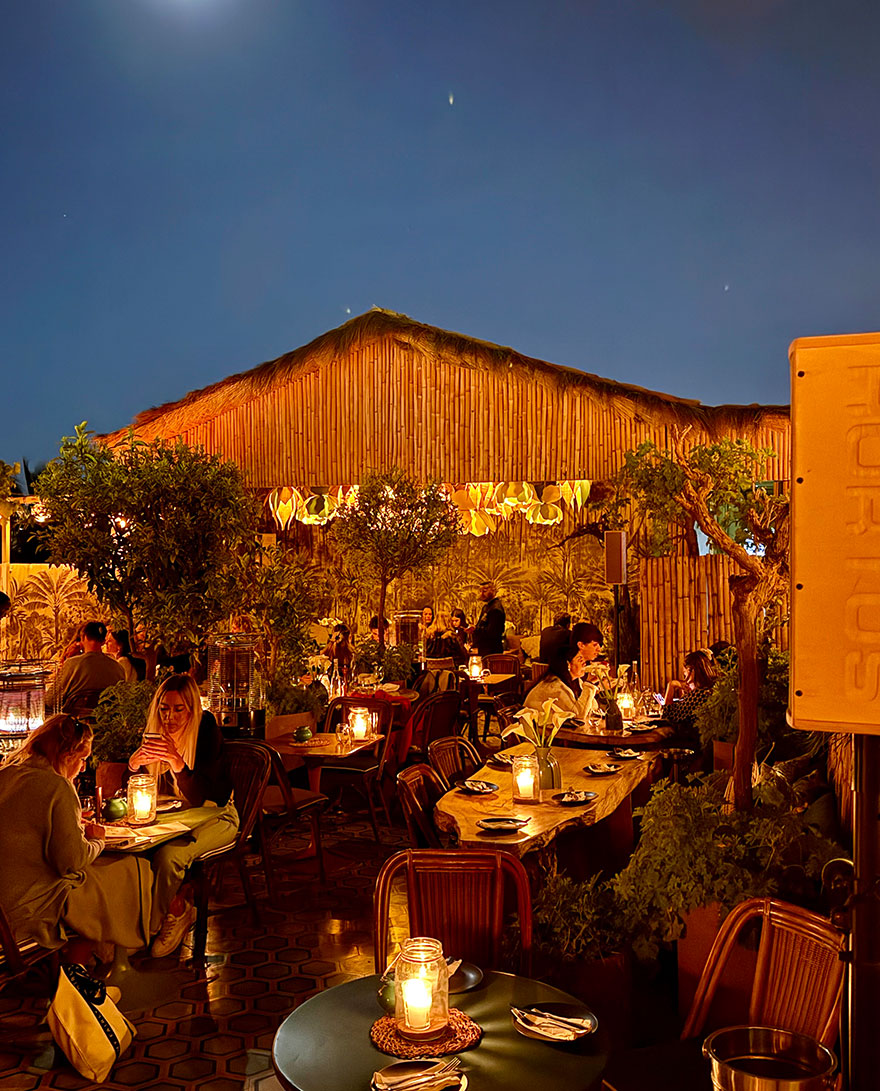
Beldi Country Club
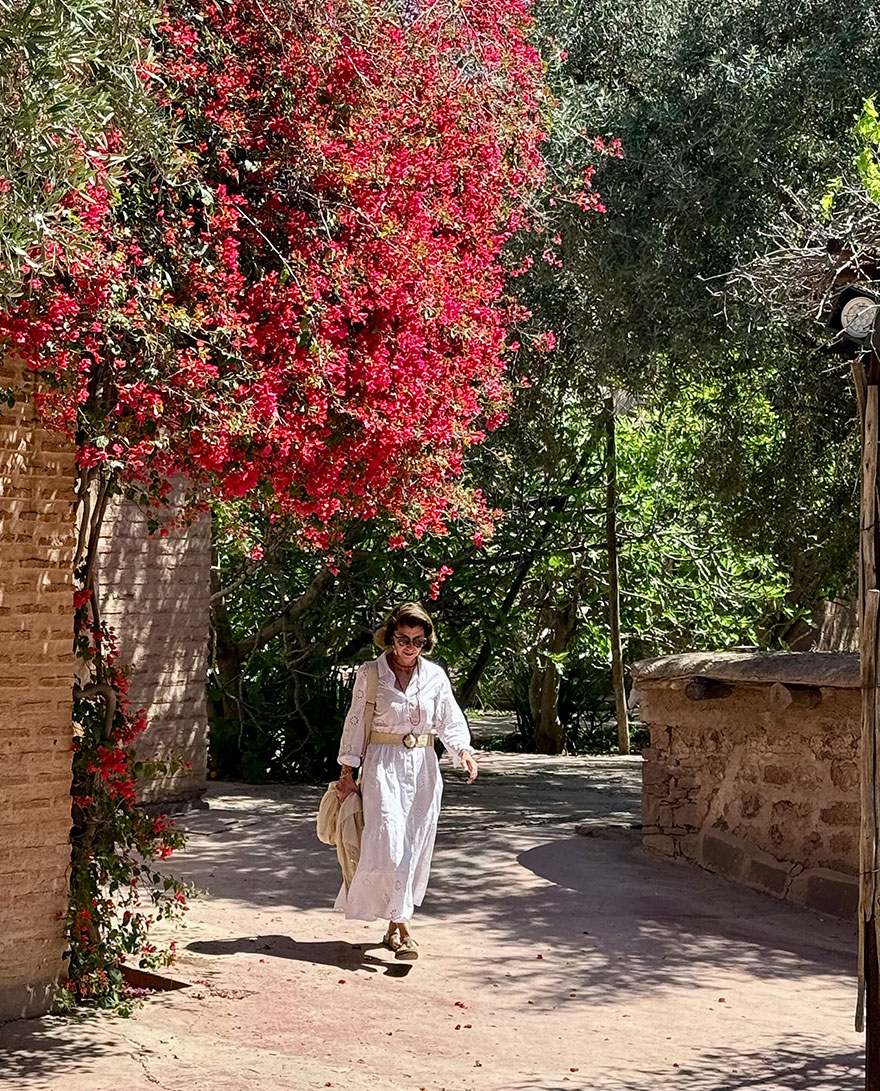
We went out to Beldi Country Club for lunch one day, to have a change of scene from the noise and crowds of the Medina. Lunch is served on a shaded terrace overlooking the pool. It’s a relaxed setup, with tables spread out and no sense of rush, so it’s easy to settle in for a long, easy meal with olive trees and the sound of water in the background. The food is simple and well done, with a mix of Moroccan and Mediterranean dishes including fresh salads, grilled meats and lighter plates.

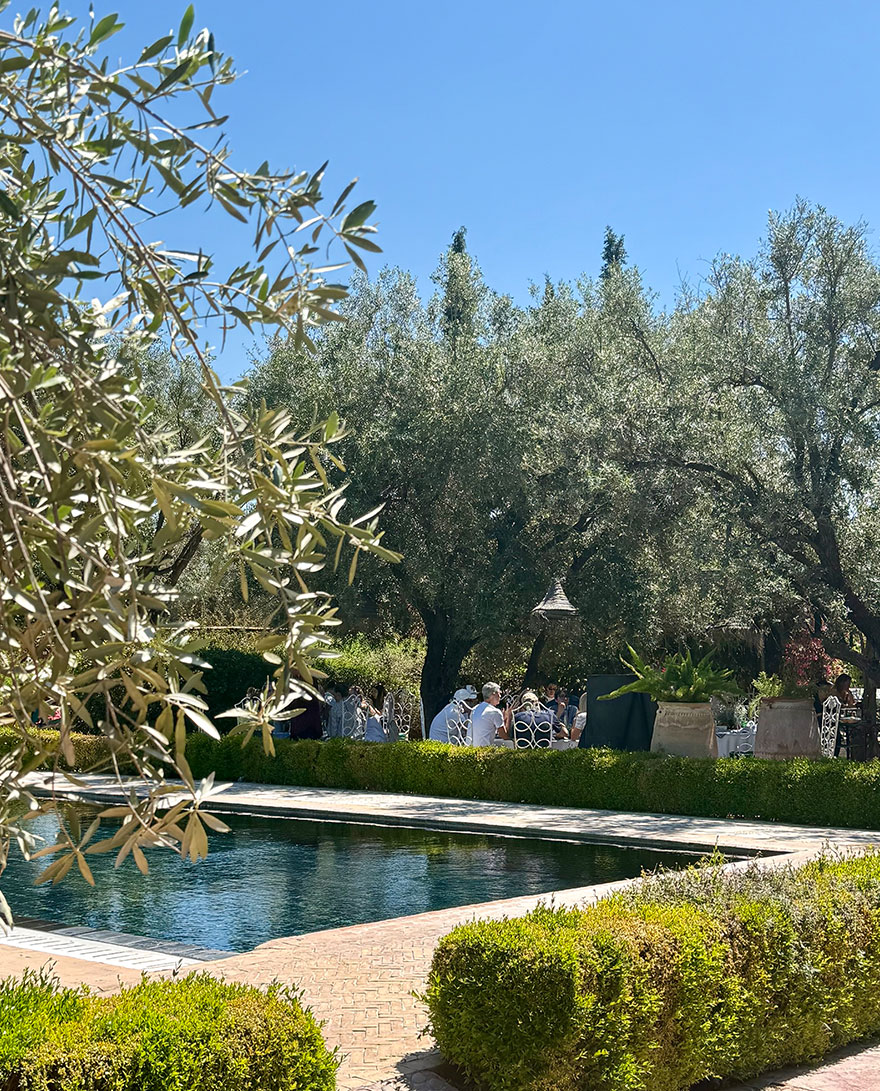
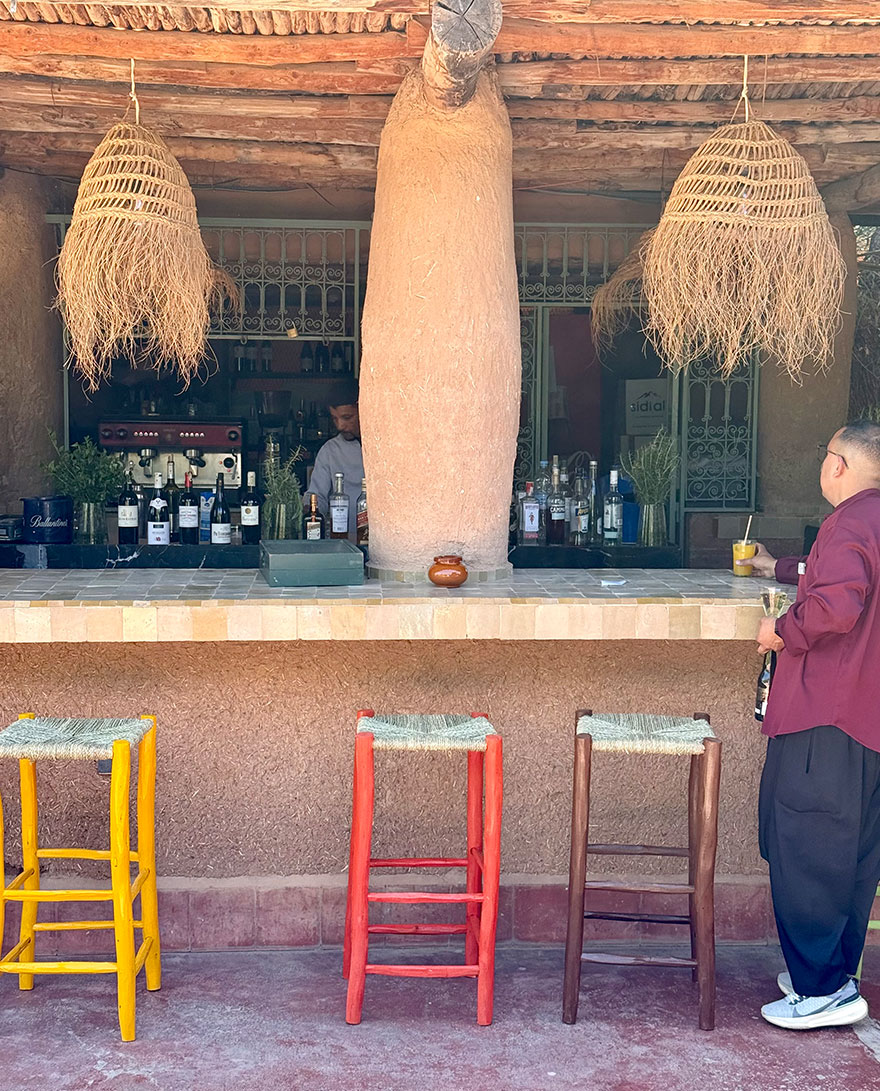
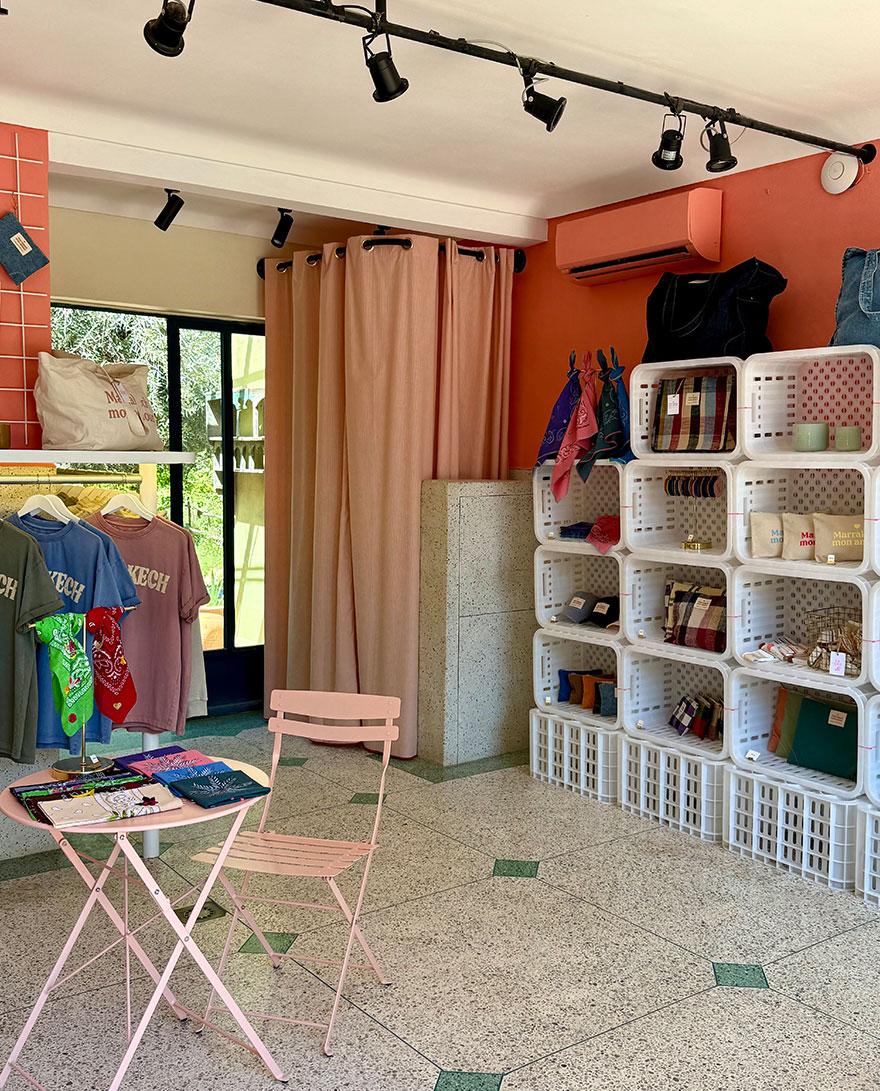
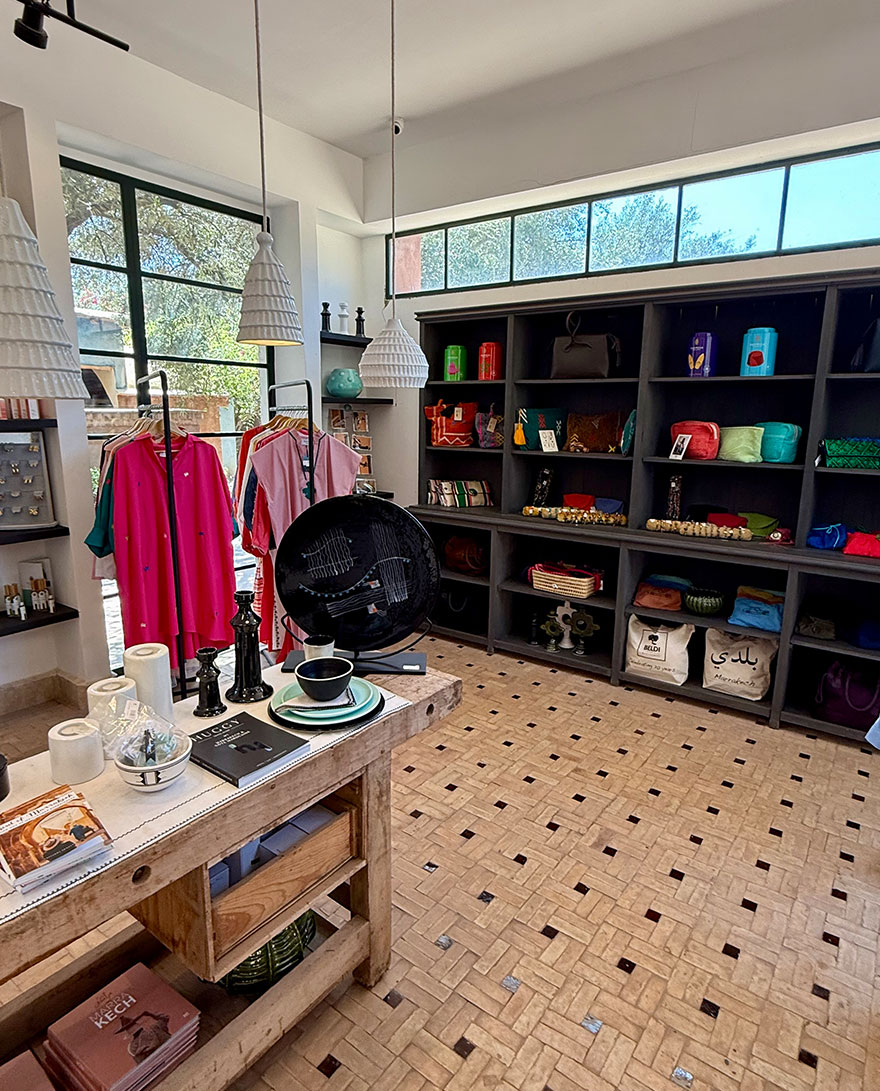
Afterwards, it is well worth wandering through the lovely little souk, which is set out like its own peaceful garden and filled with shops that are genuinely tempting to browse. There are carpets, embroidery, cushions and pottery, alongside blown glass, fashion pieces, jewellery, homeware and a handful of other boutiques.

Drink
ATAY CAFÉ
Atay Café is a good stop while exploring the medina, especially when you need a break from the pace. The rooftop terrace gives you space and a view back over the surrounding streets. The focus is on Moroccan tea, with a wide selection served properly, alongside simple food options if you want something light.
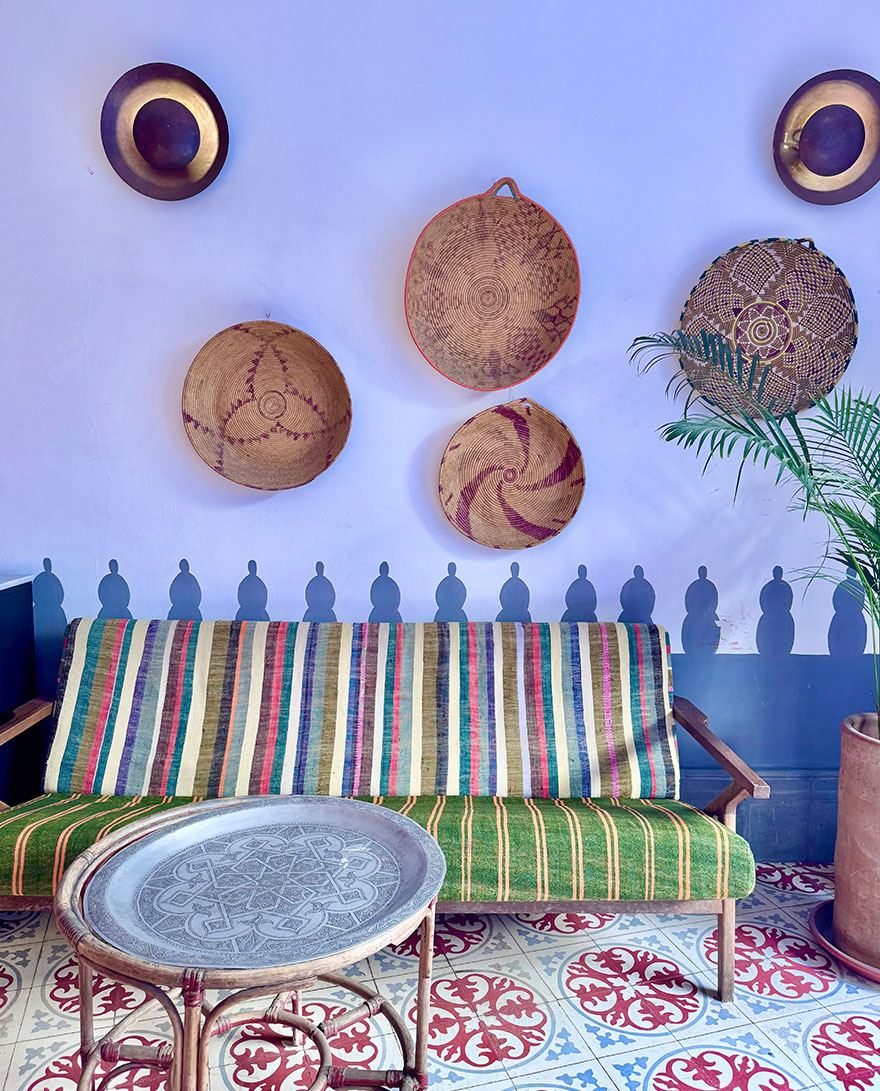
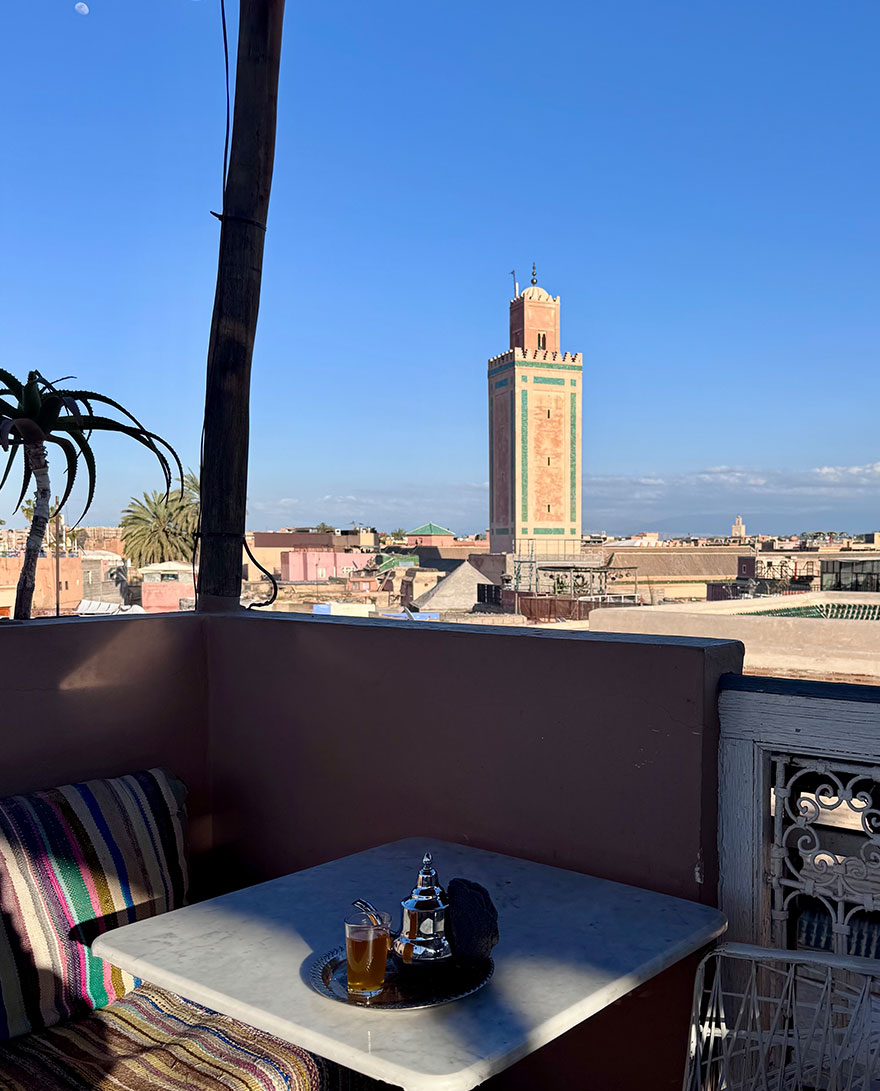
1112 MARRAKECH
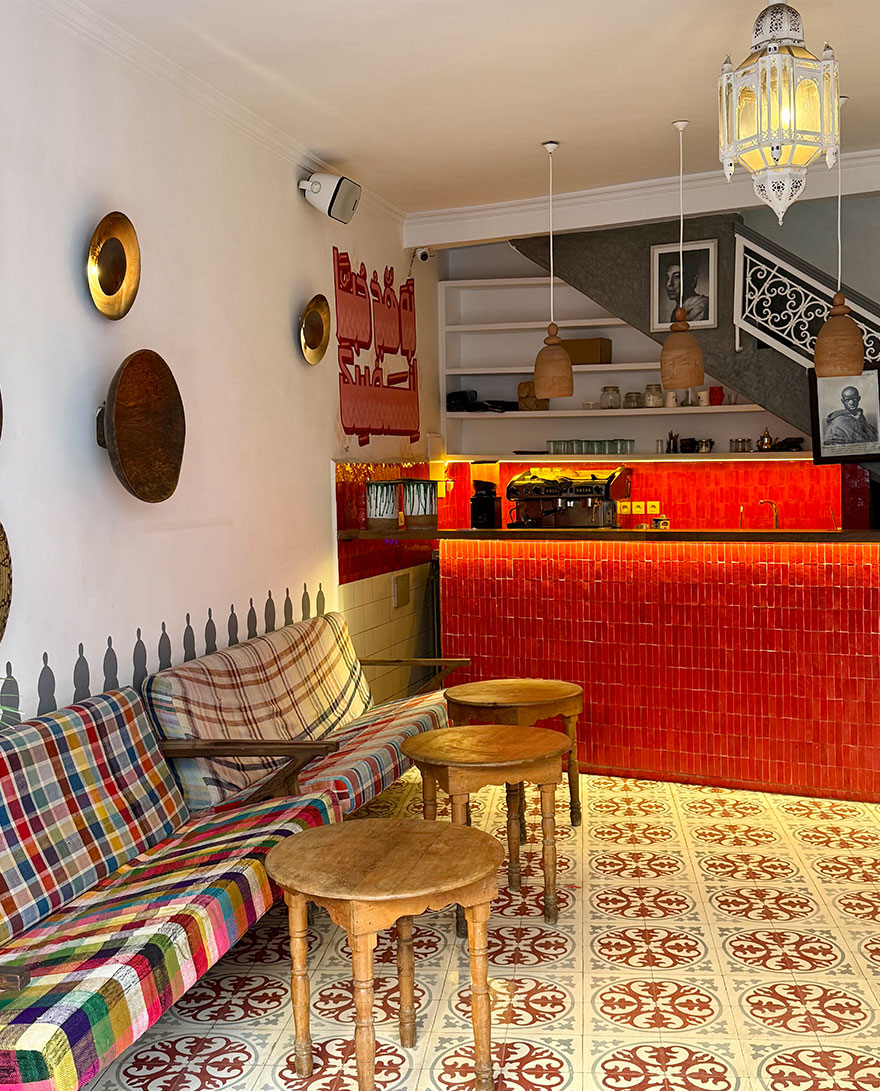
1112 Marrakech was a magical spot we found hidden in the medina. You step in from the busy streets into a calm courtyard, with soft colours, turquoise tiles and greenery creating a space that feels both peaceful and carefully put together. The riad itself is over 300 years old and has been carefully and tastefully restored.
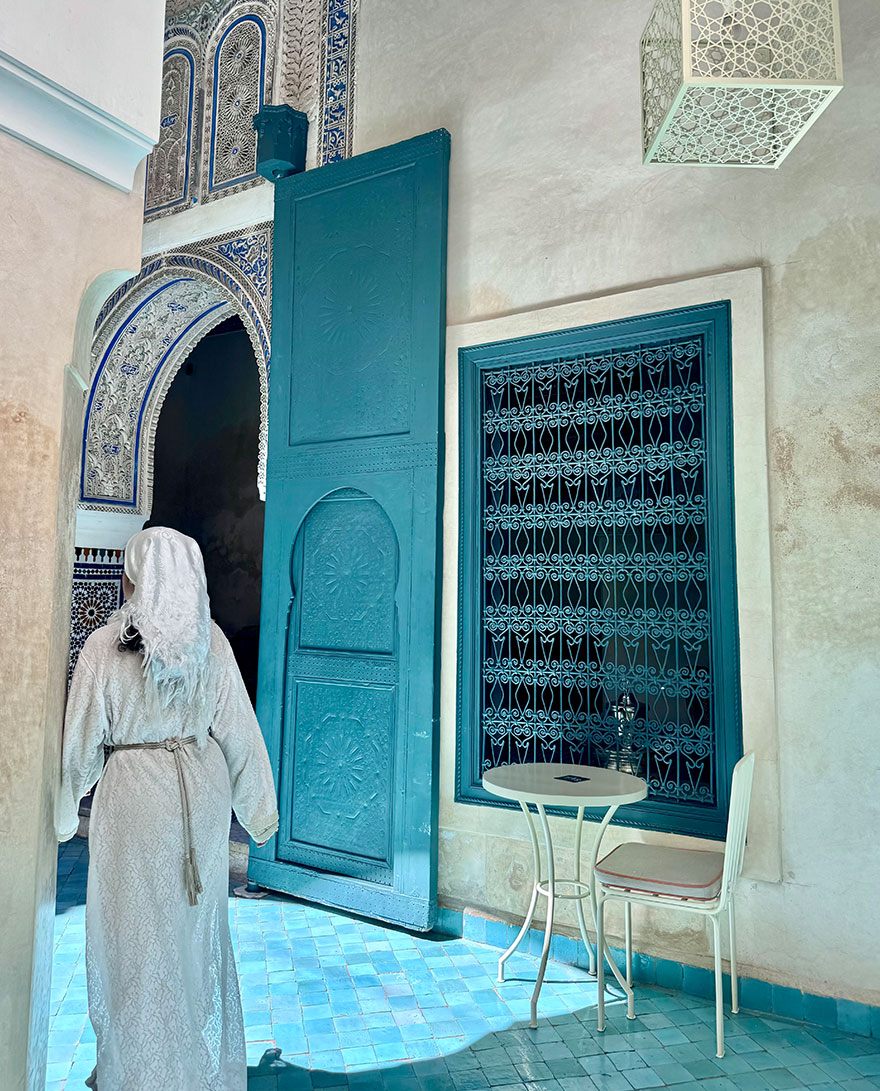
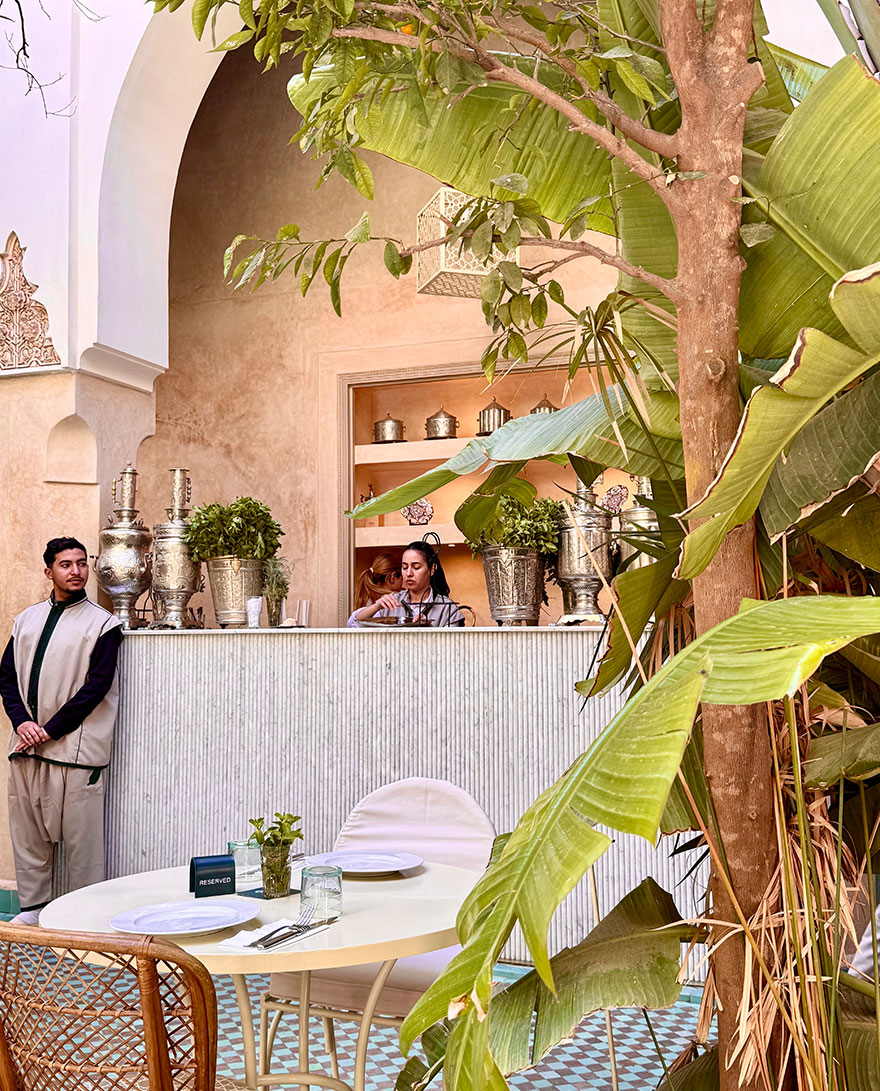
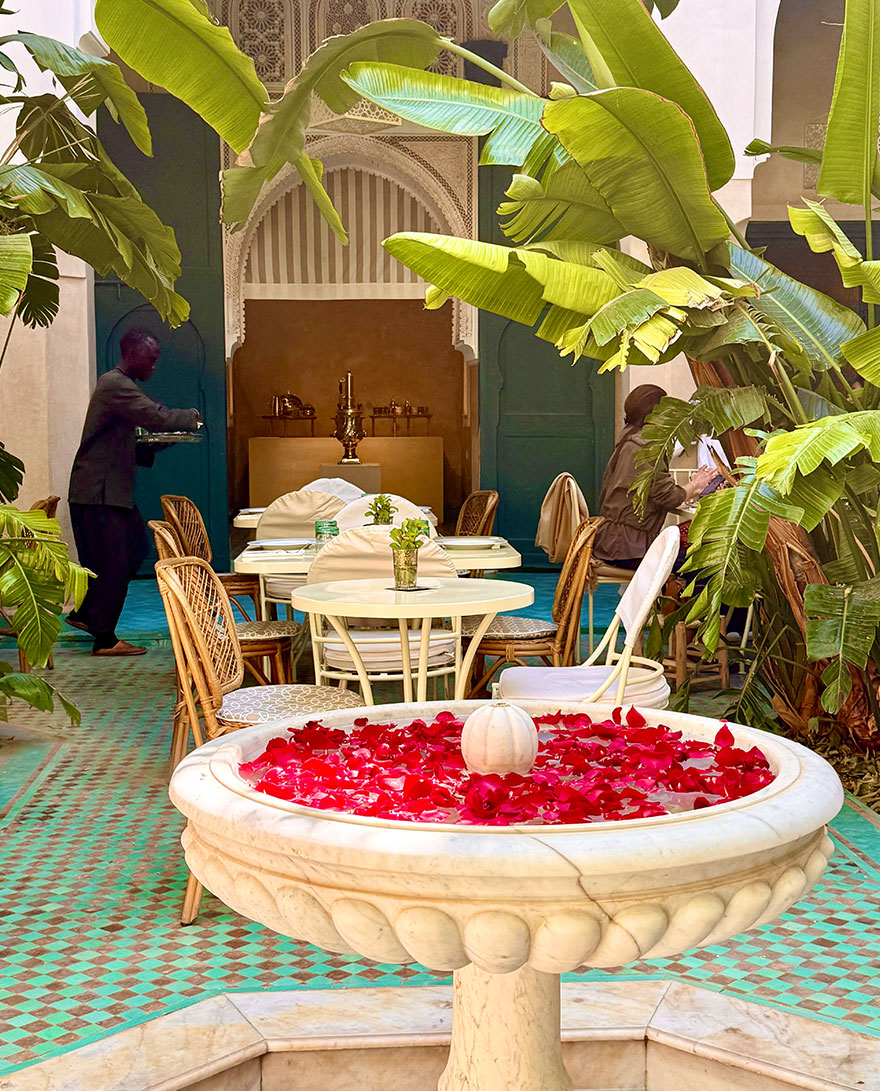

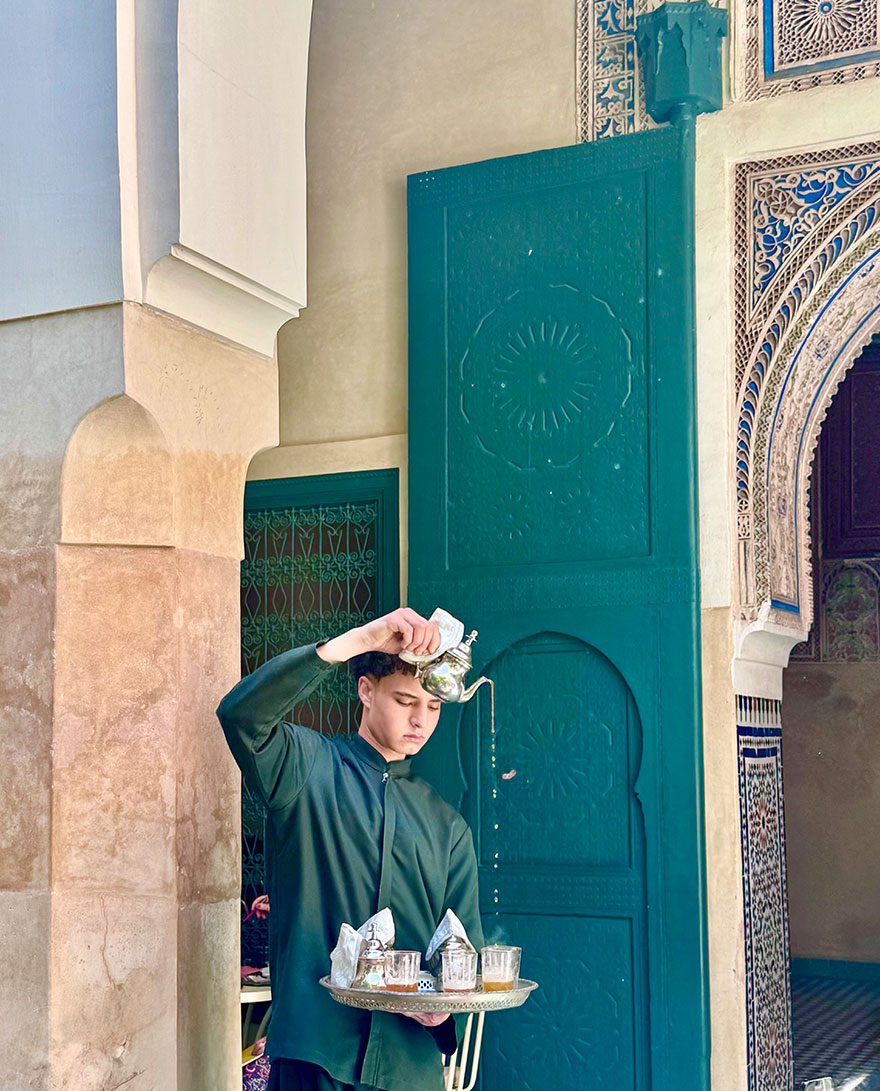
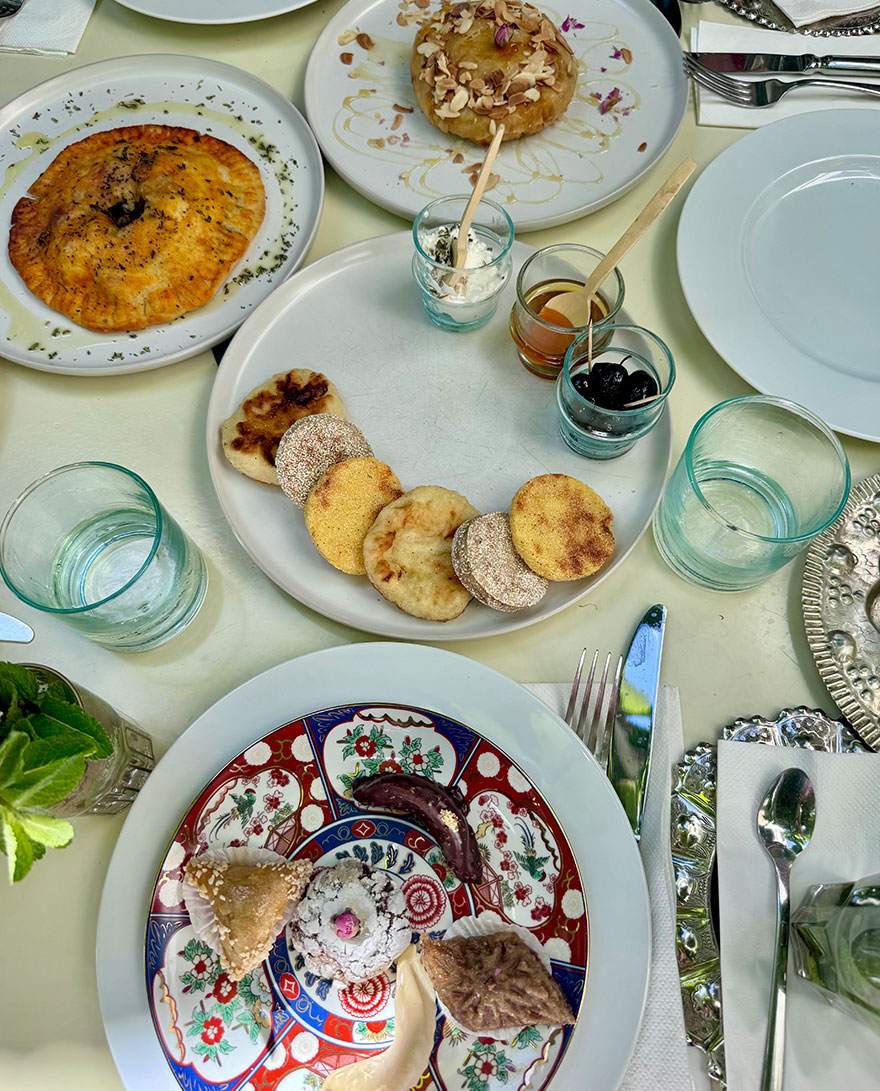
The tea menu is extensive, with a wide range of Moroccan blends. The ceremonial pouring adds to the experience. The pastries are also a highlight, presented beautifully and tasting as good as they look!
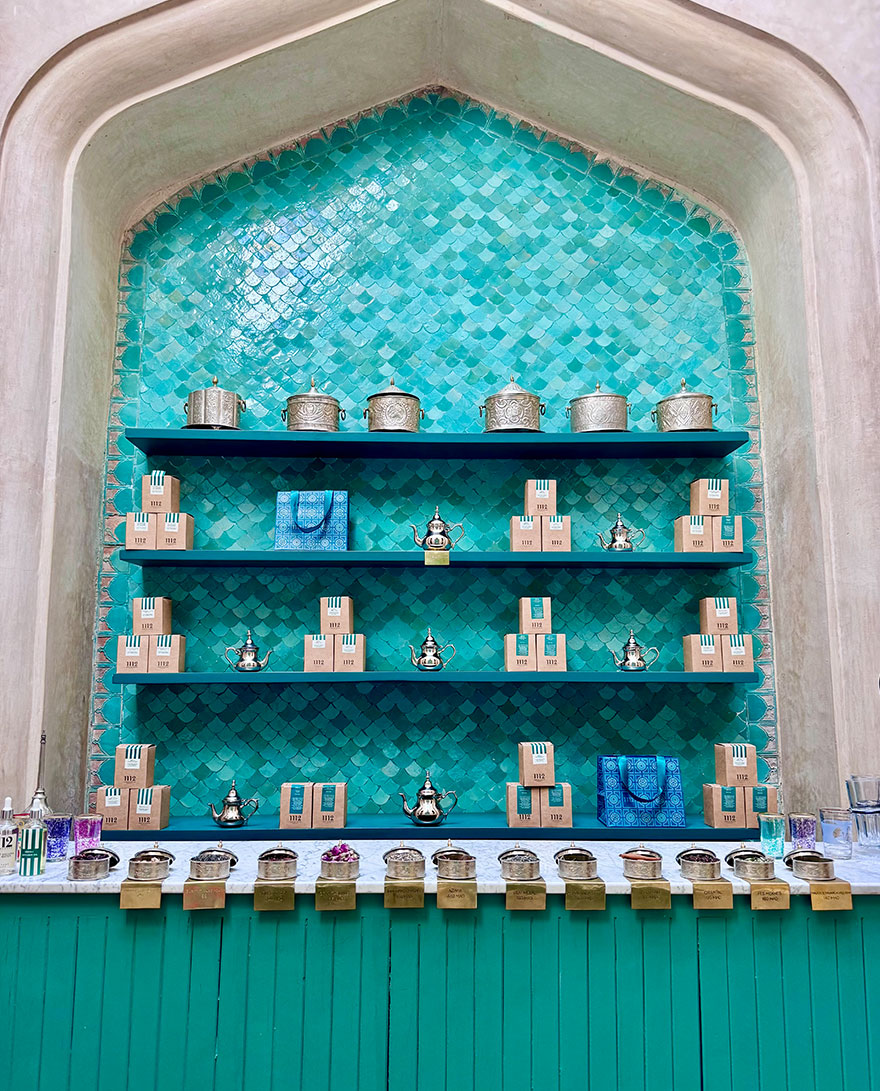
Before leaving, it’s worth spending time in the small boutique. It’s well curated, with a selection of pieces that reflect the same aesthetic as the space—simple, well-made and easy to take home without feeling overly touristy.
LA MAMOUNIA
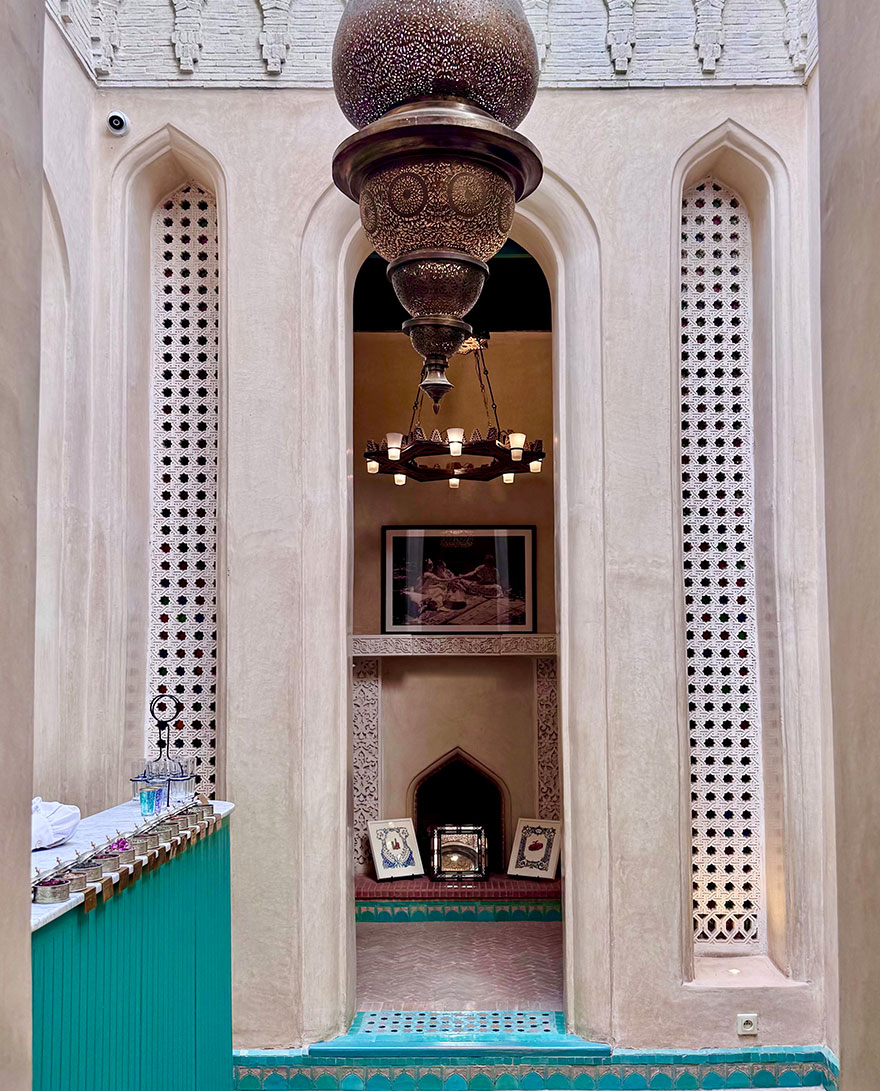
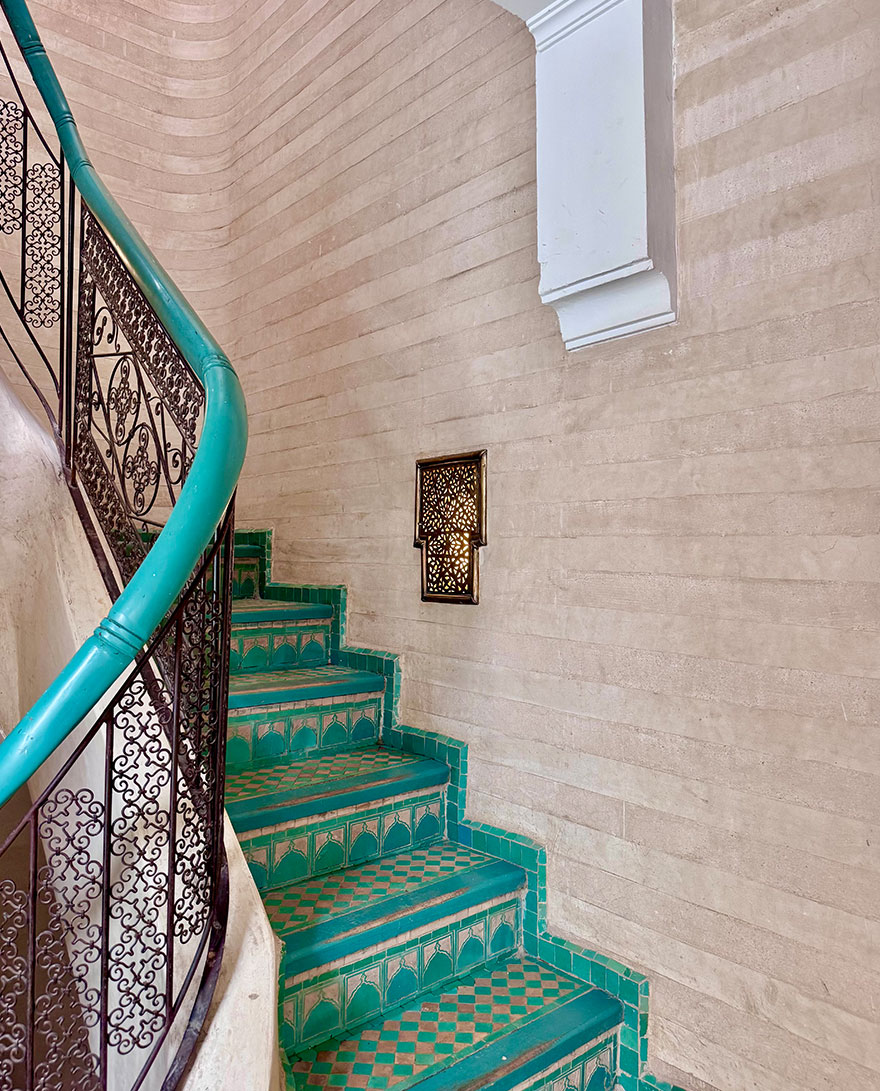
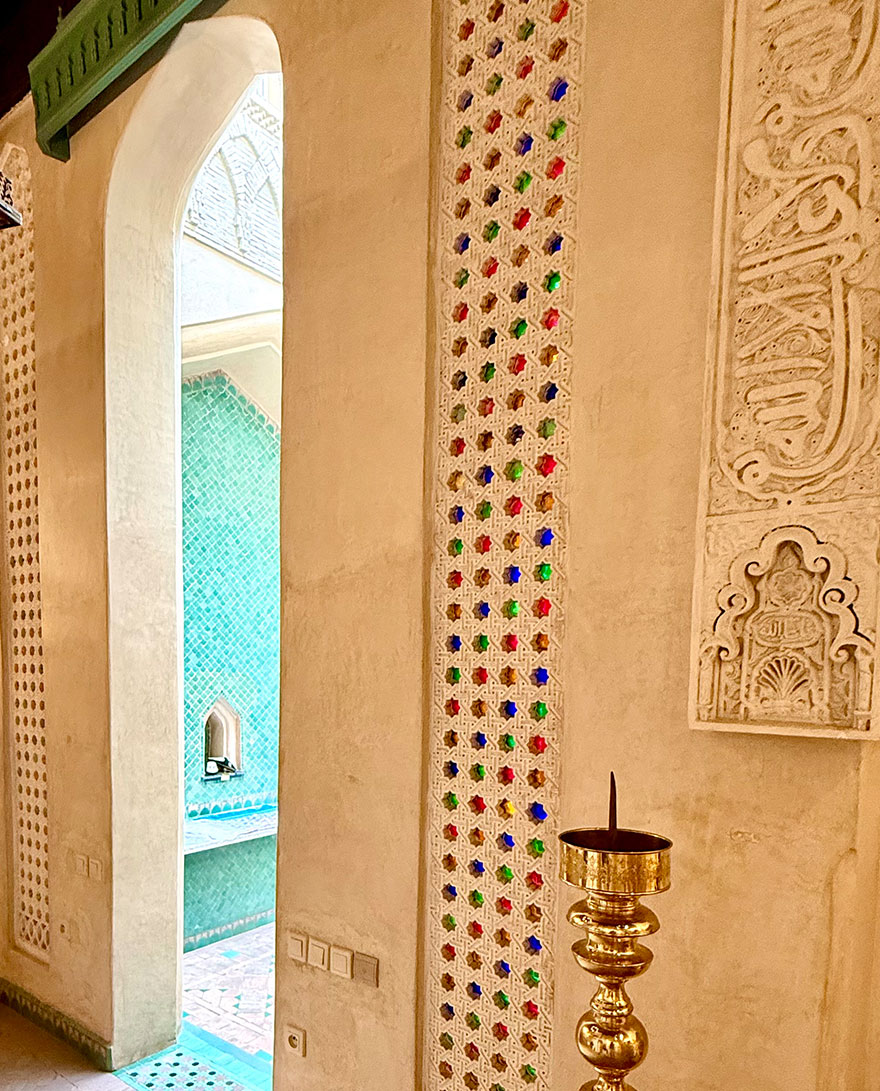
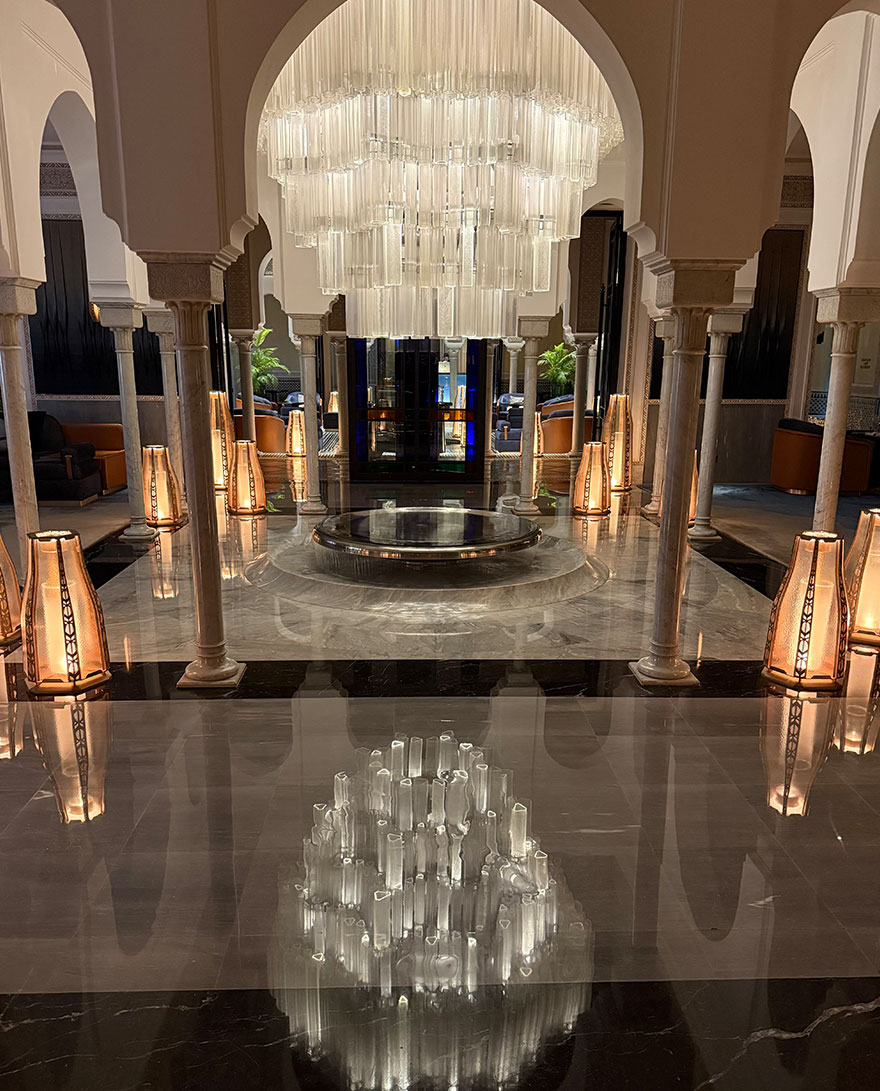
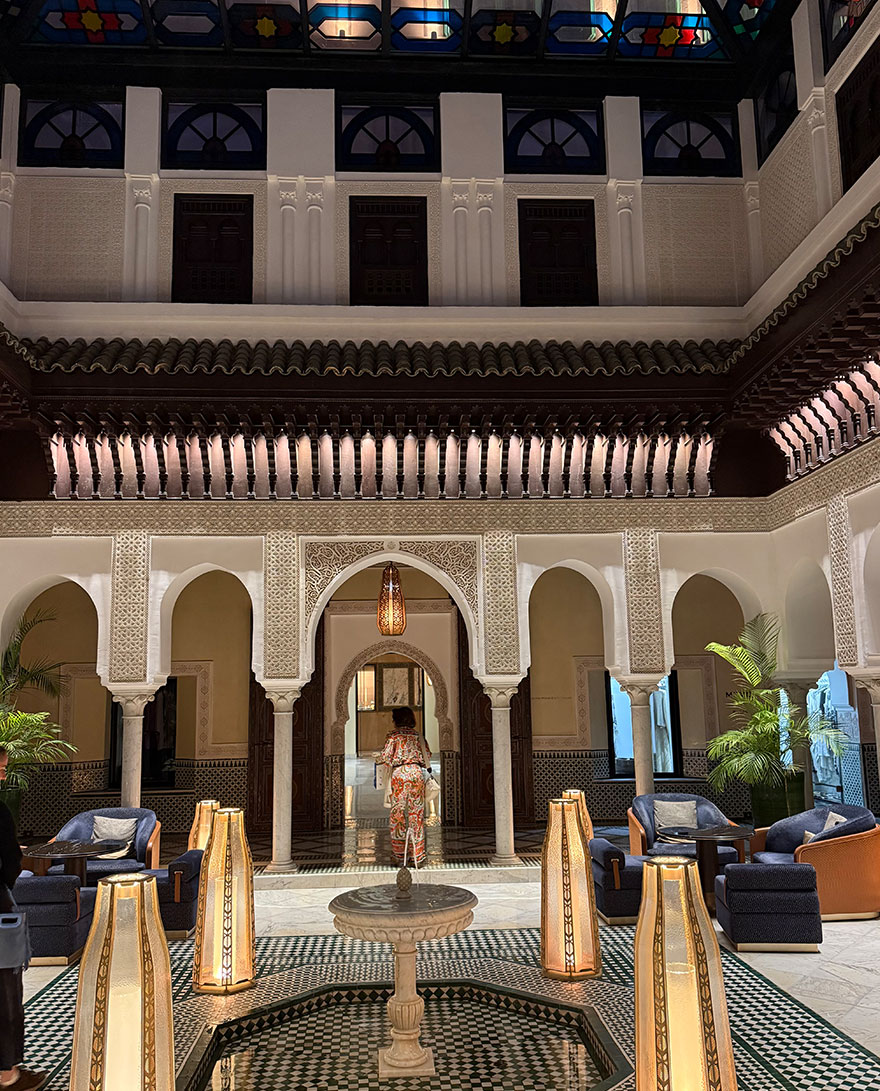
La Mamounia is one of Marrakech’s most famous addresses and is worth visiting whether you have a room key or not. Long associated with the city’s grander, more glamorous side. Following its multi-million revamp by Jacques Garcia, La Mamounia manages to feel both deeply rooted in Moroccan craft and unmistakably polished for the modern luxury traveller.
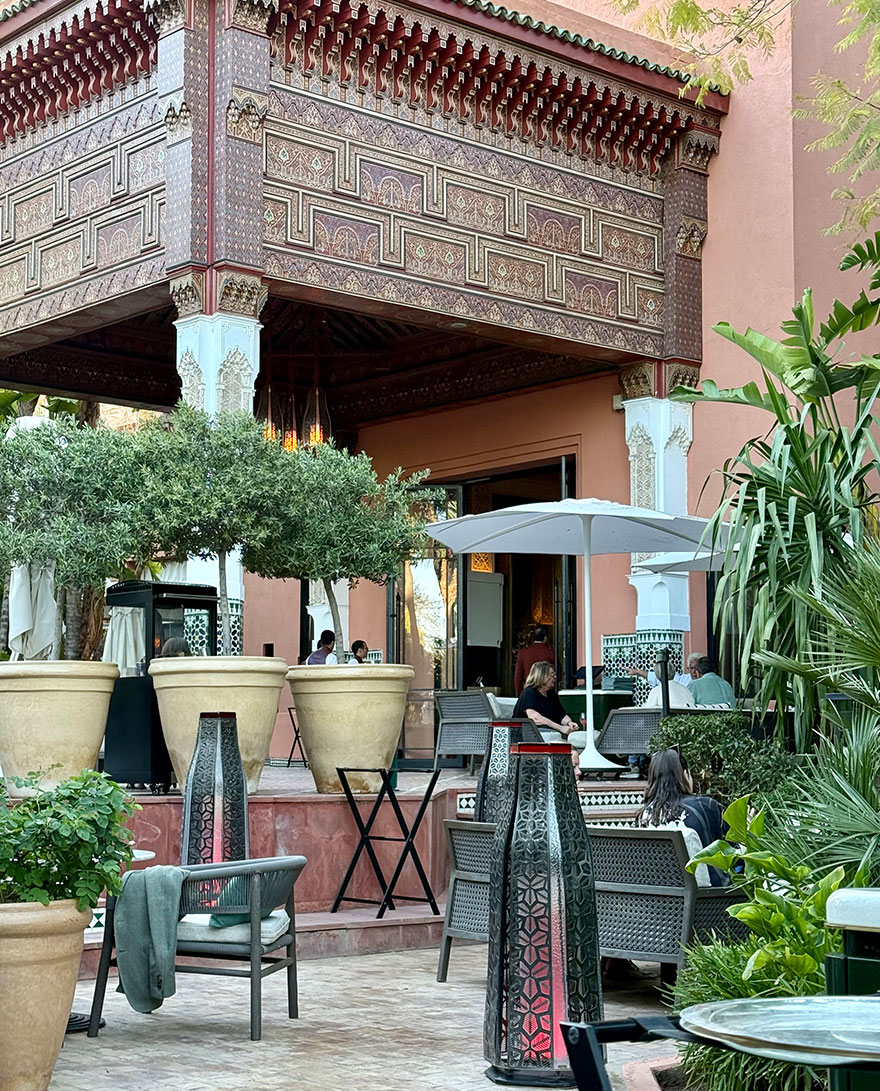
Le Bar Majorelle a good place for an upscale cocktail hour, sitting on the terrace surrounded by palms. Afterwards, take your time to wander through the extensive gardens with pathways, ancient olive trees and pockets of calm that make the hotel feel almost like its own private world. There is also a selection of high-end stores like Dior to browse and a beautiful hotel shop selling well-designed gifts.
Desert tour
We added a four-day desert tour to the end of our Marrakech stay, and it was one of the highlights of the trip. The route takes you from the city, over the Atlas Mountains and out towards the Sahara, passing through villages, valleys and changing landscapes along the way.
Day 1: Marrakech – Ait Ben Haddou – Dades Valley
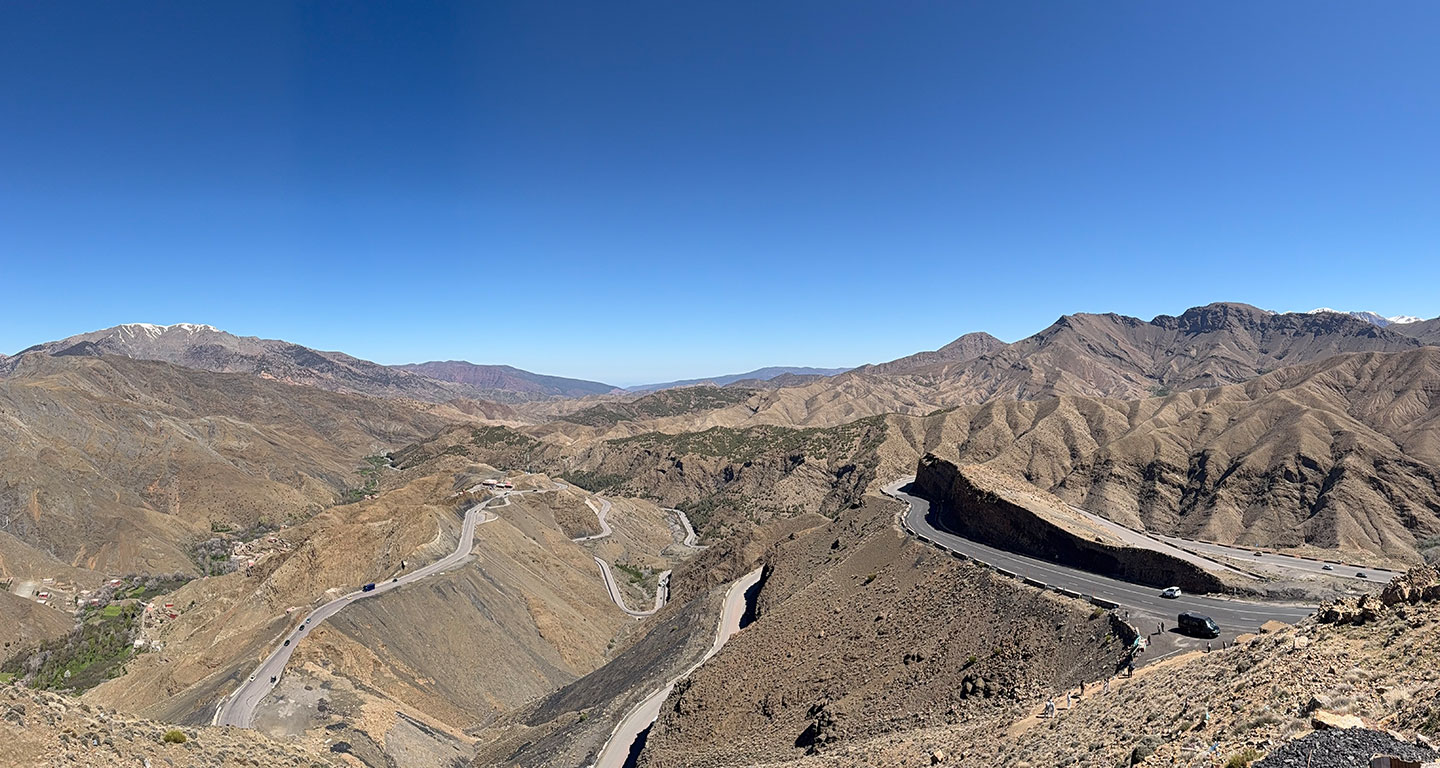
We left Marrakech and drove into the High Atlas Mountains, crossing the Tizi n’Tichka pass. The road winds through mountain villages and open landscapes, and the scenery changes quickly as you gain altitude. The tour was perfectly organised by Chic Morocco, including the driver, lunch stops and the hotels.
Ait Ben Haddou was the main stop—a fortified village and one of the best preserved examples of traditional Berber architecture. It’s been used in a number of films and series, including Game of Thrones.
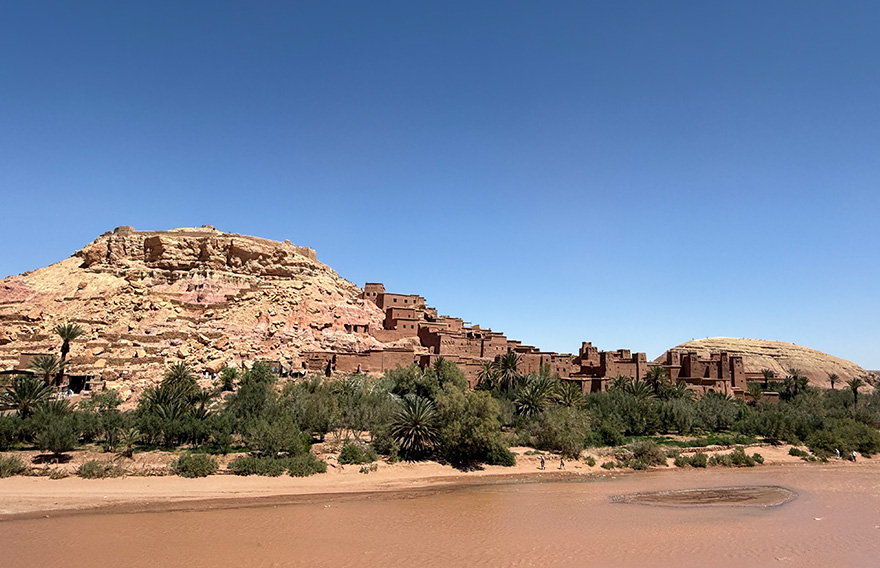
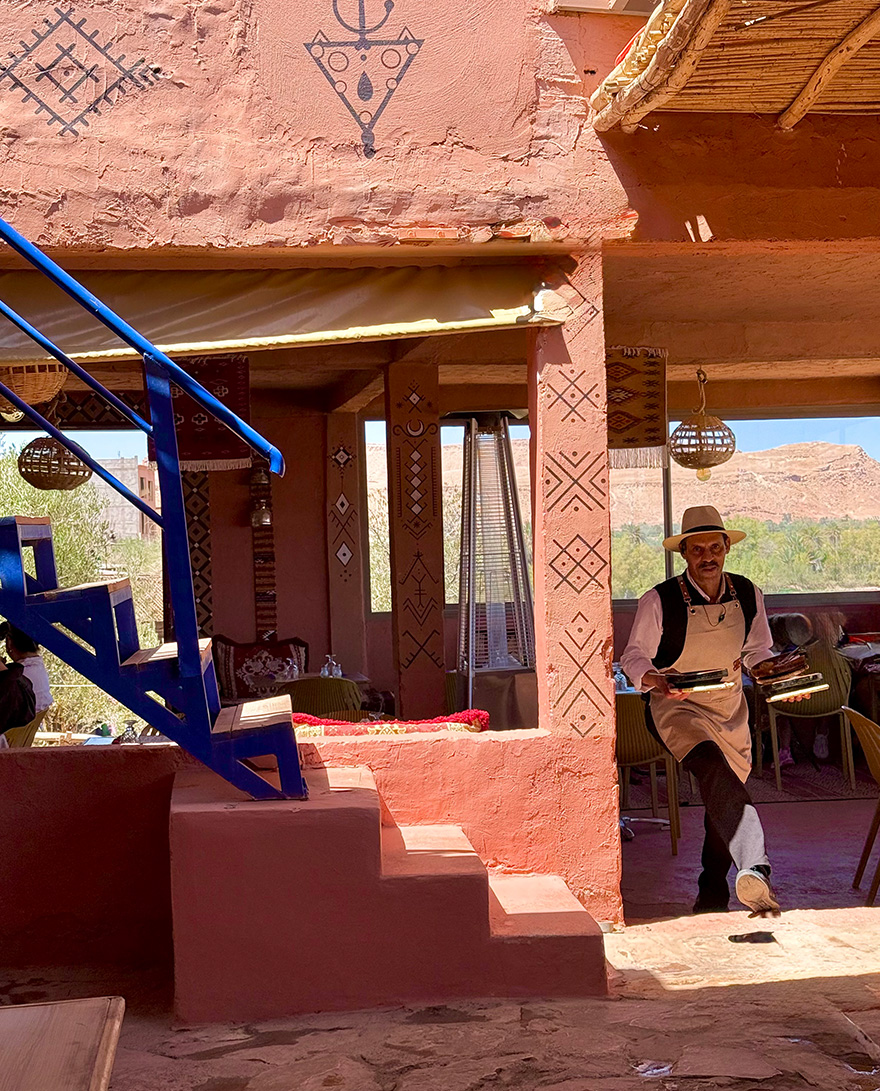
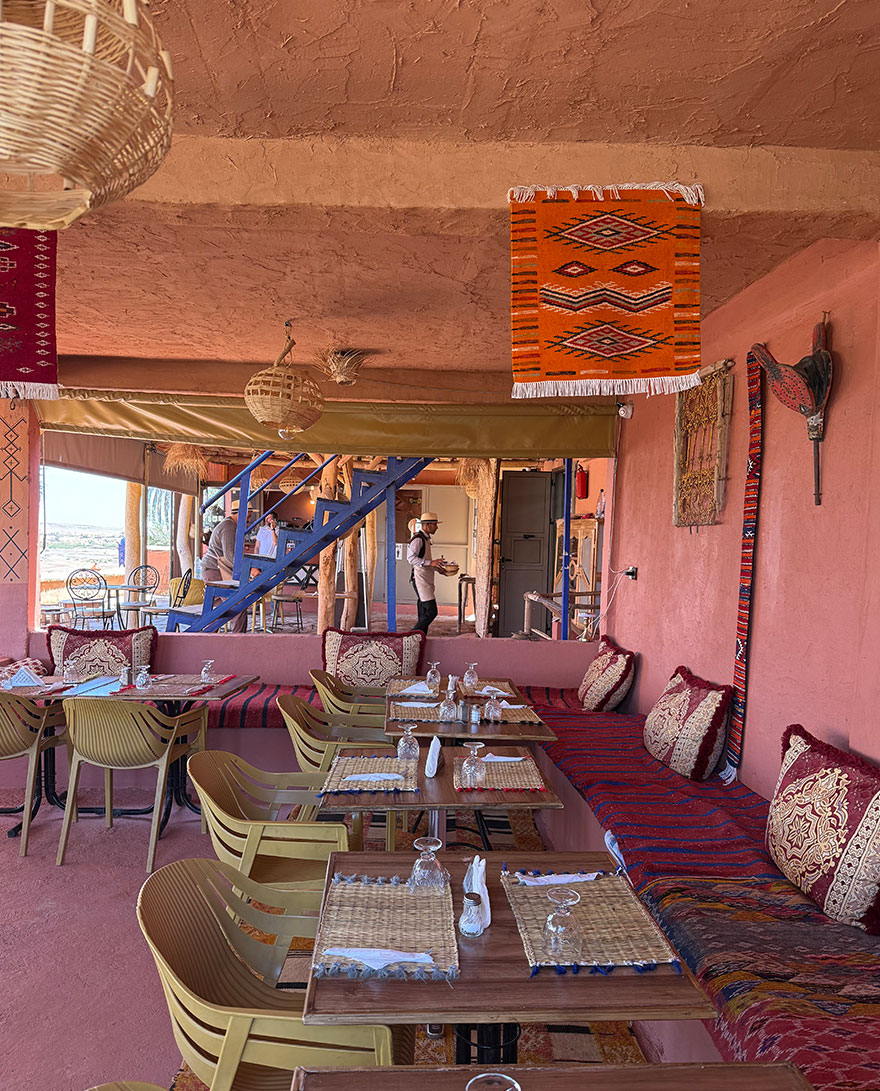
Café restaurant chez moussa is a great spot for lunch, with a prime position overlooking the village and good, hearty Moroccan fare.
We continued along the Road of a Thousand Kasbahs before reaching the Skoura Valley in the late afternoon.
Stay: L’Ma Lodge
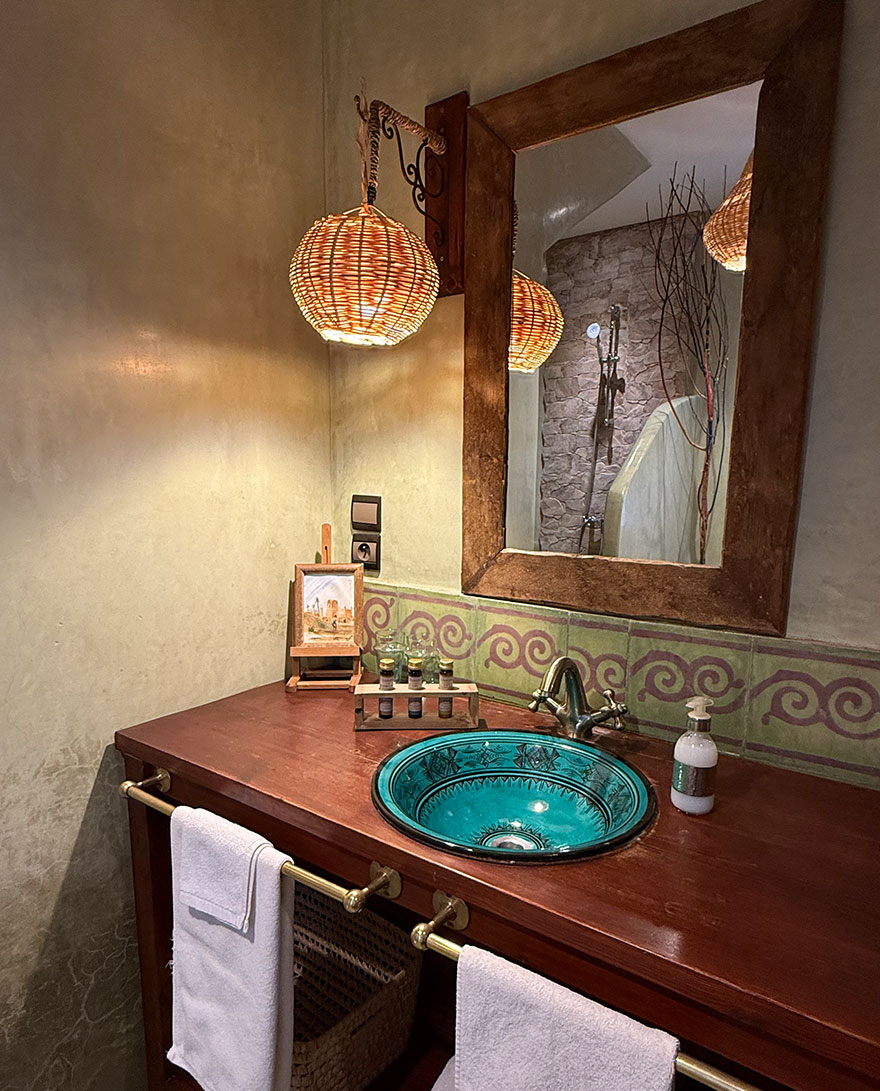
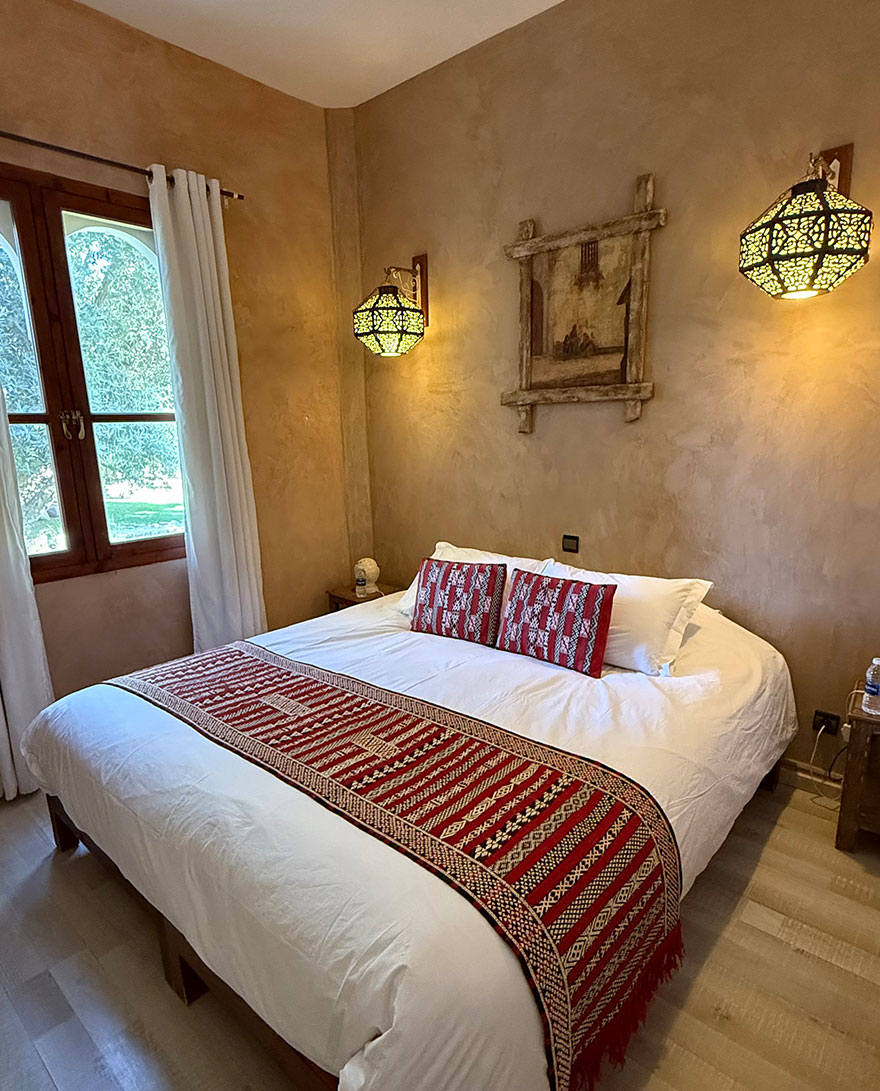
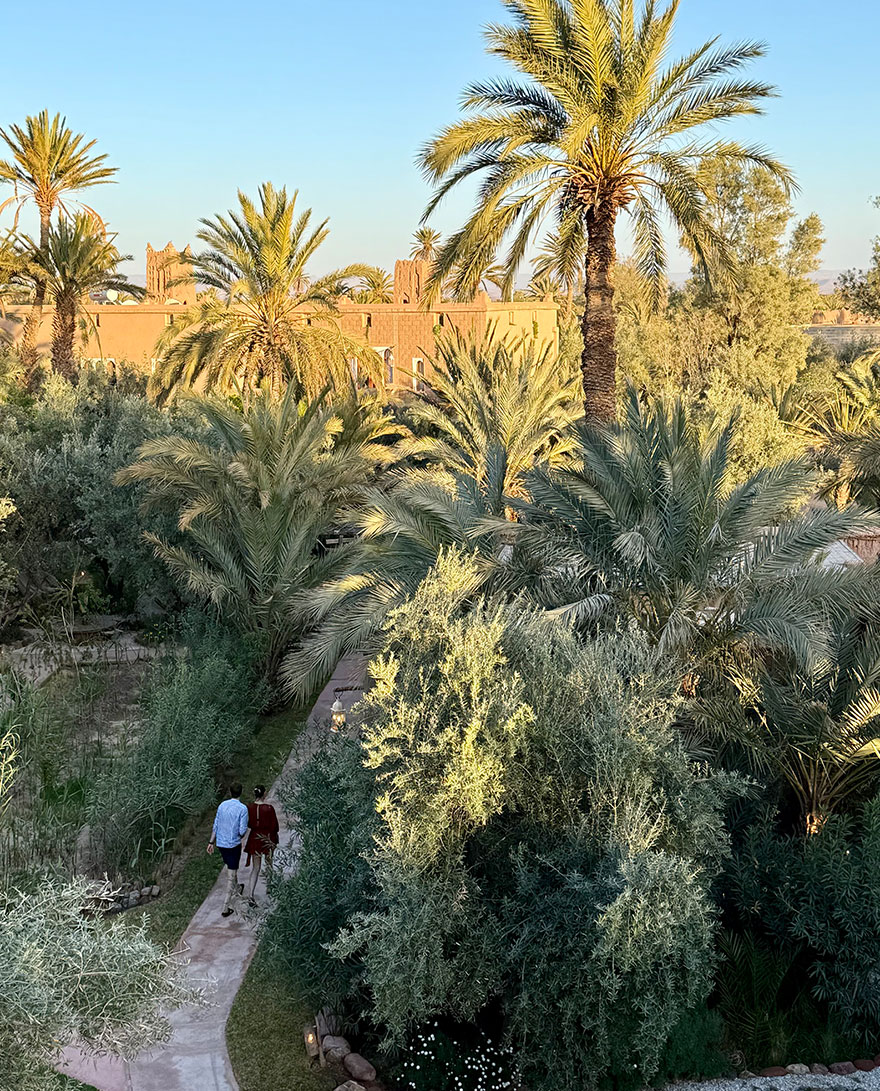
L’Ma Lodge is a boho chic boutique property set among the palm groves. It has only a handful of rooms, so feels much more personal than a bigger hotel. The design features earthy colours, natural textures and lots of handmade details that give it warmth, with woven pieces, rustic wood, linen and pottery.
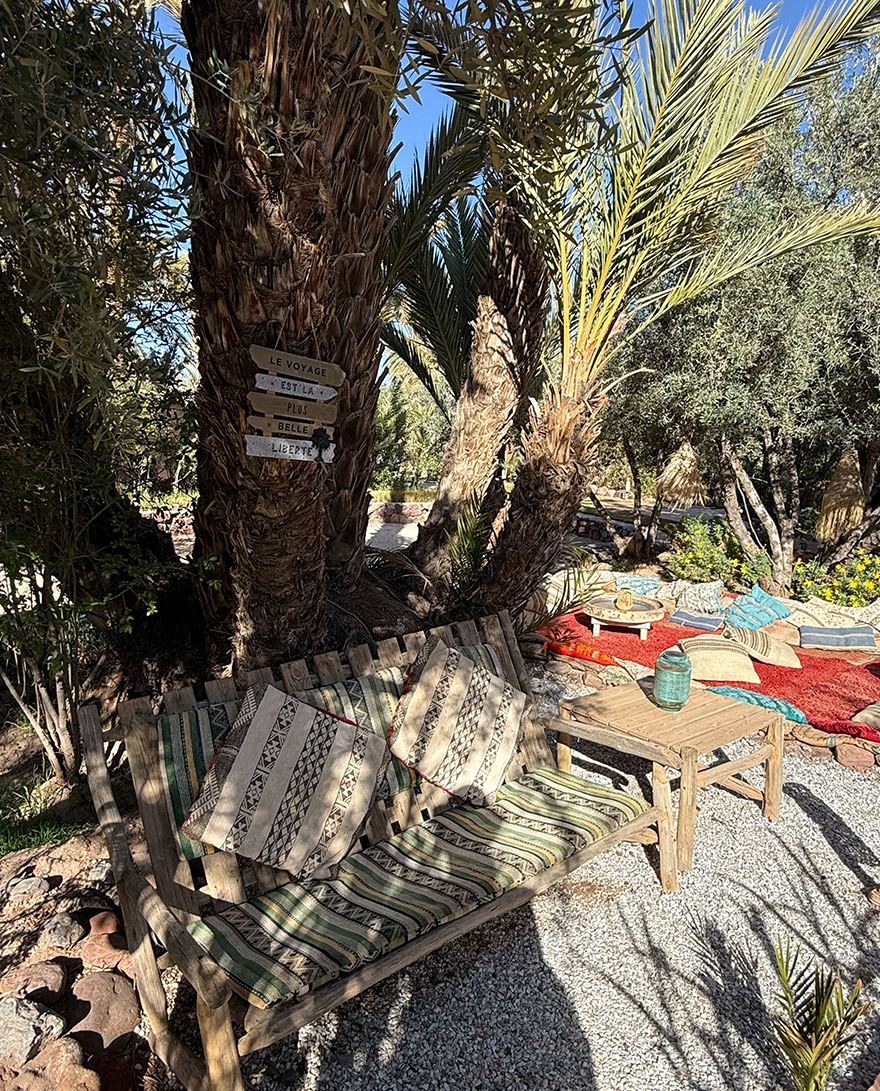
The gardens are impressive for such a small hotel. There are lots of chill-out areas with colourful cushions scattered on the ground. There is a lovely pool area that was ideal for some late afternoon chilling after a long drive. The rooftop is also a good spot to go later in the day for sunset.
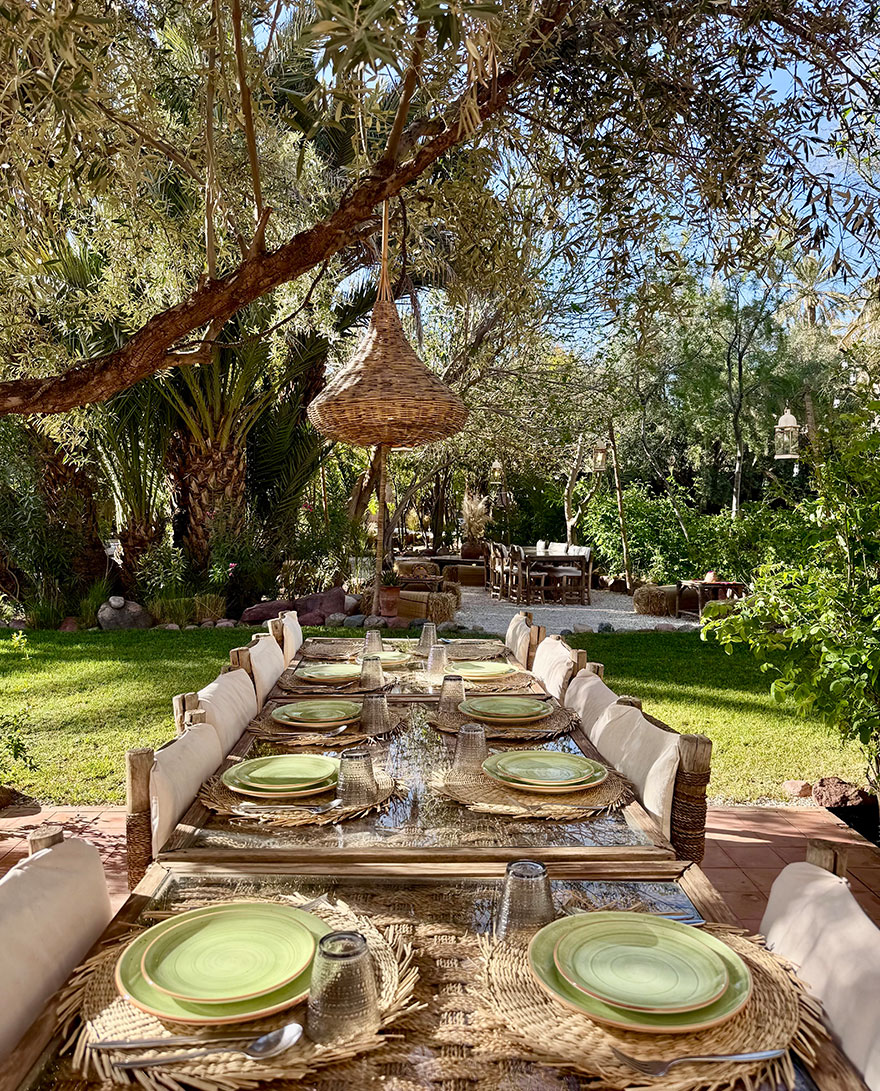
Dinner is in the same relaxed spirit and more like sitting down to generous Moroccan cooking in a stylish home rather than a hotel restaurant. The food feels comforting and abundant, and the whole atmosphere is easy and intimate.
Day 2: Dades Valley – Todra Gorges – Erg Chebbi Dunes
The drive continued through the valley, with more stunning views with villages in the distance.
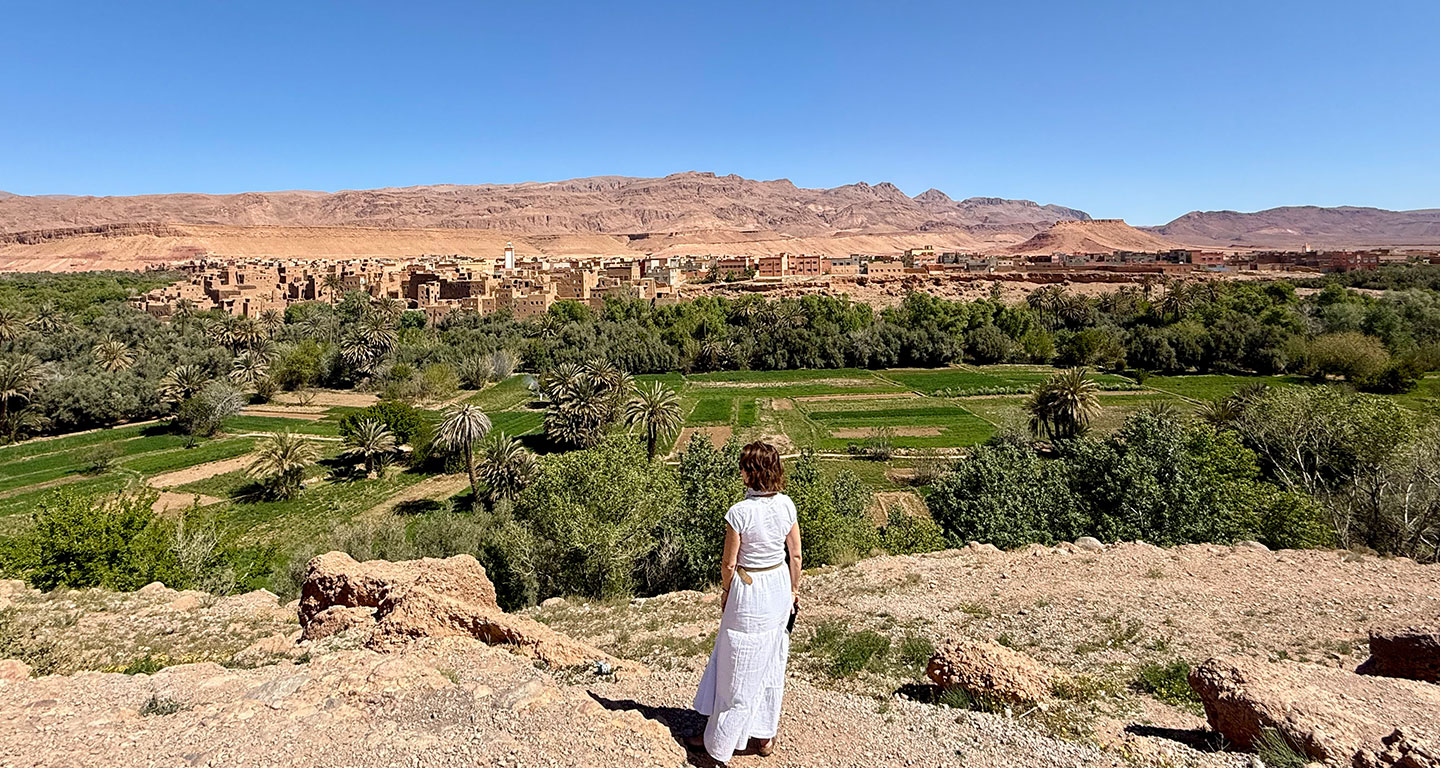
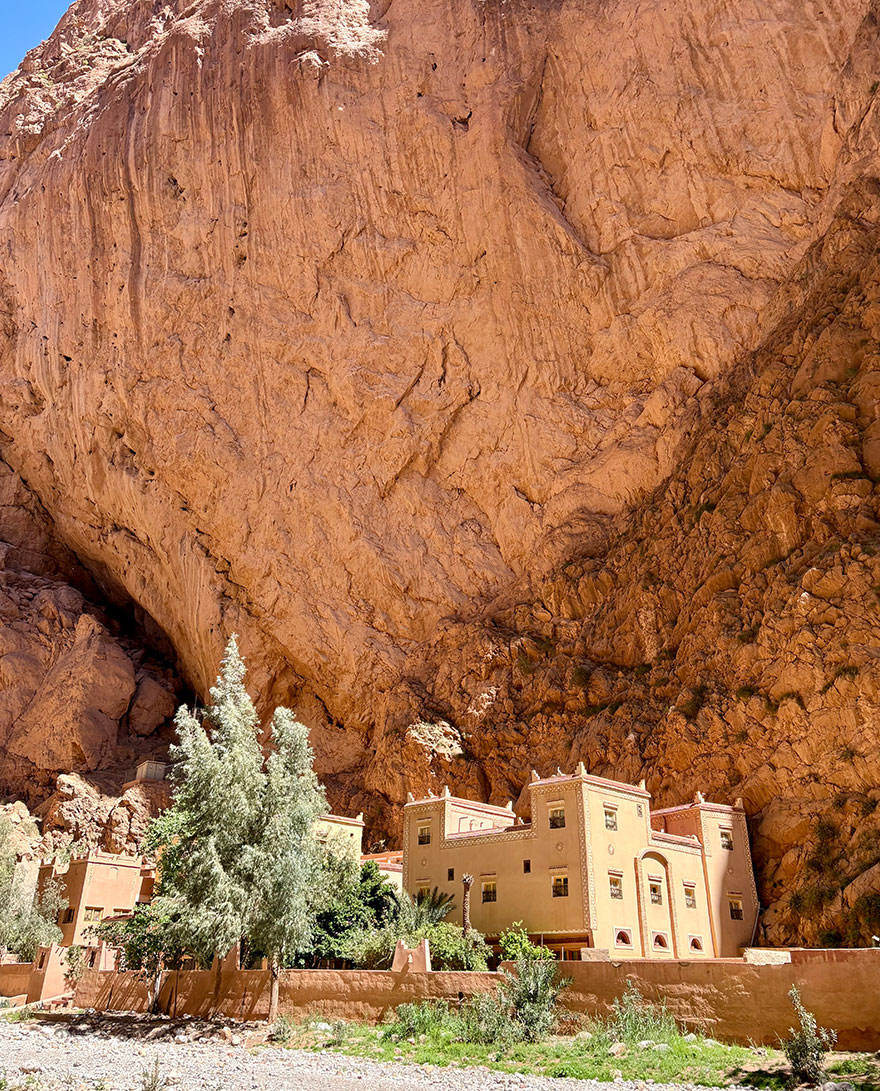
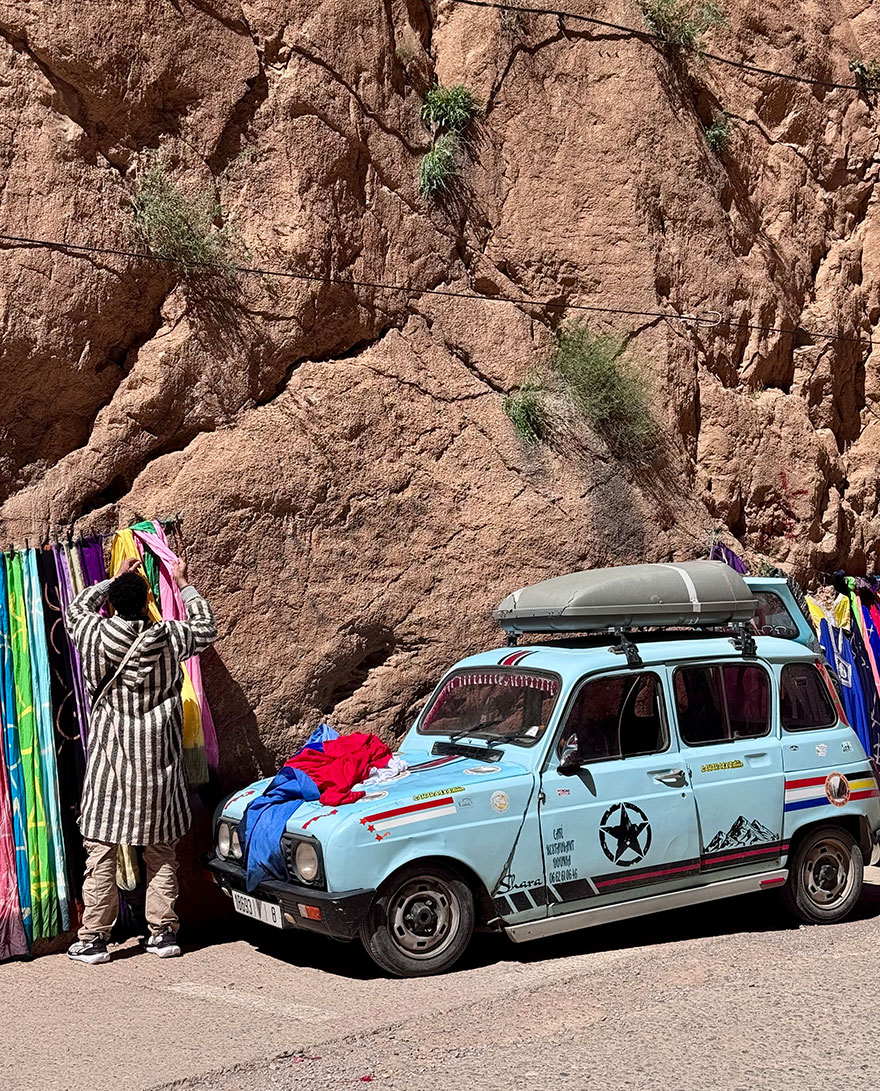
We then stopped at the Todra Gorge. The narrow canyon has high rock walls and a small river running through it. It’s a good place to walk and take in the scale of the landscape. From there, we drove to Merzouga and switched to camels for the final stretch into the desert.
Stay: Caravanserai Desert Camp
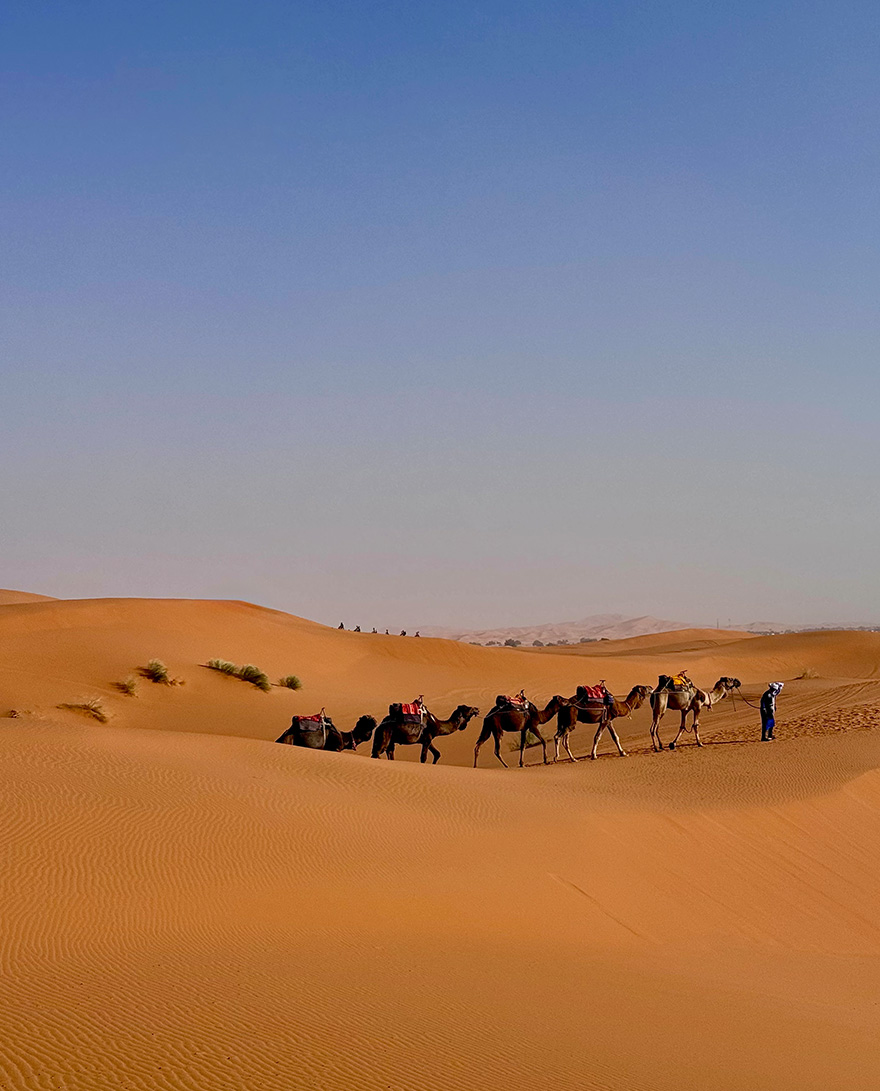
Riding into the Erg Chebbi dunes by camel in the late afternoon light was one of the standout moments of the trip, with tea waiting for us on arrival.
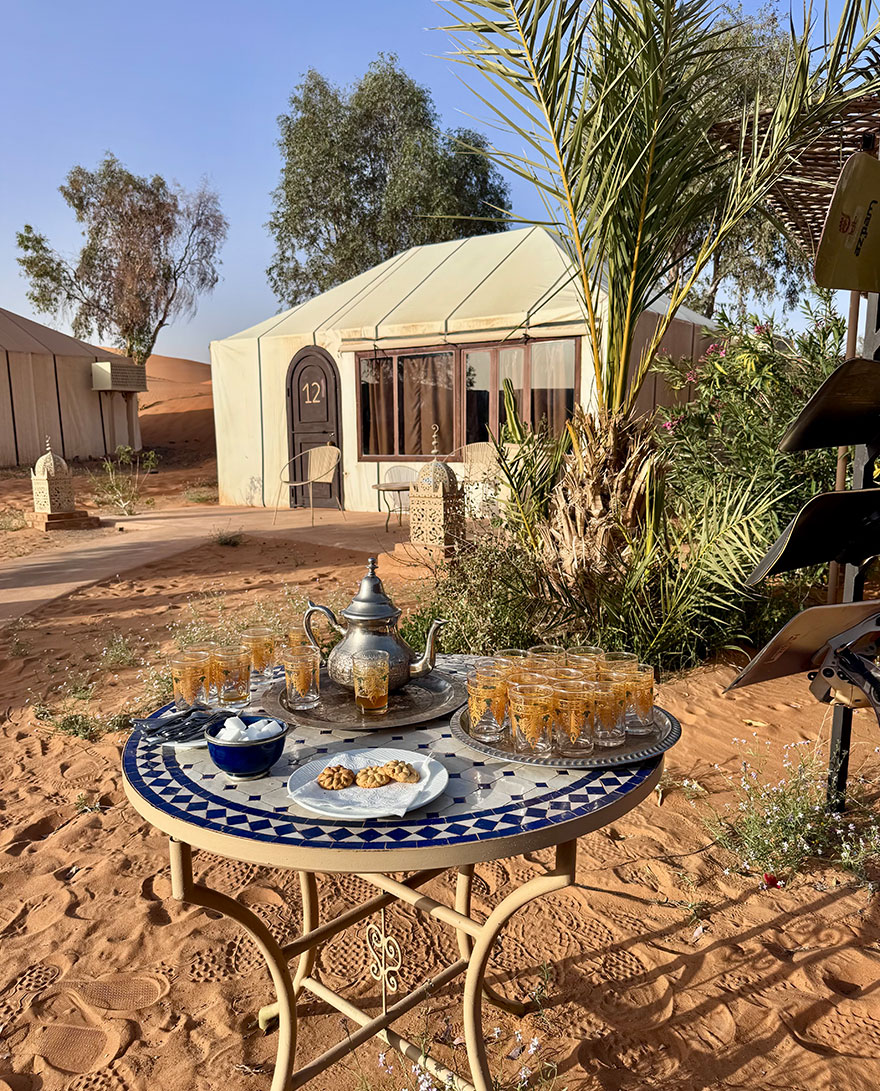
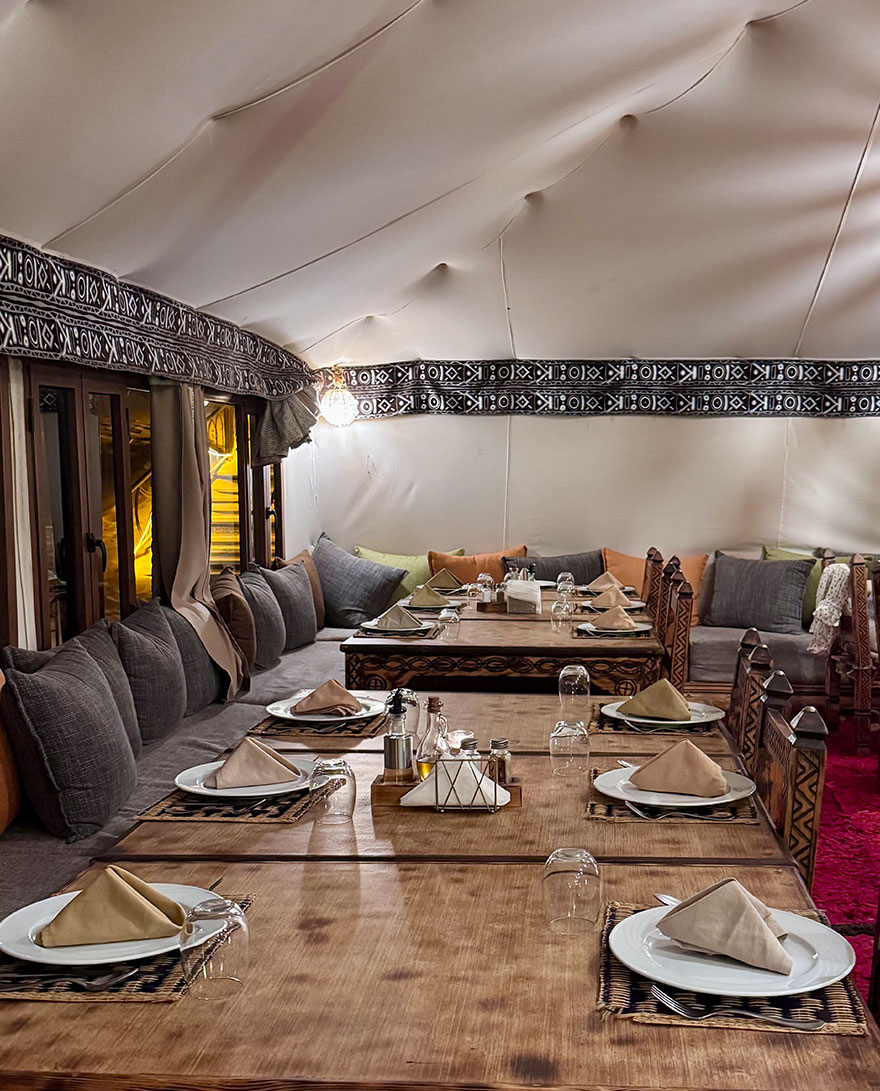
Caravanserai Desert Camp is camping but with a luxury approach! Each tent has a real bed, an ensuite bathroom and nice design touches that make it feel like a hotel room.
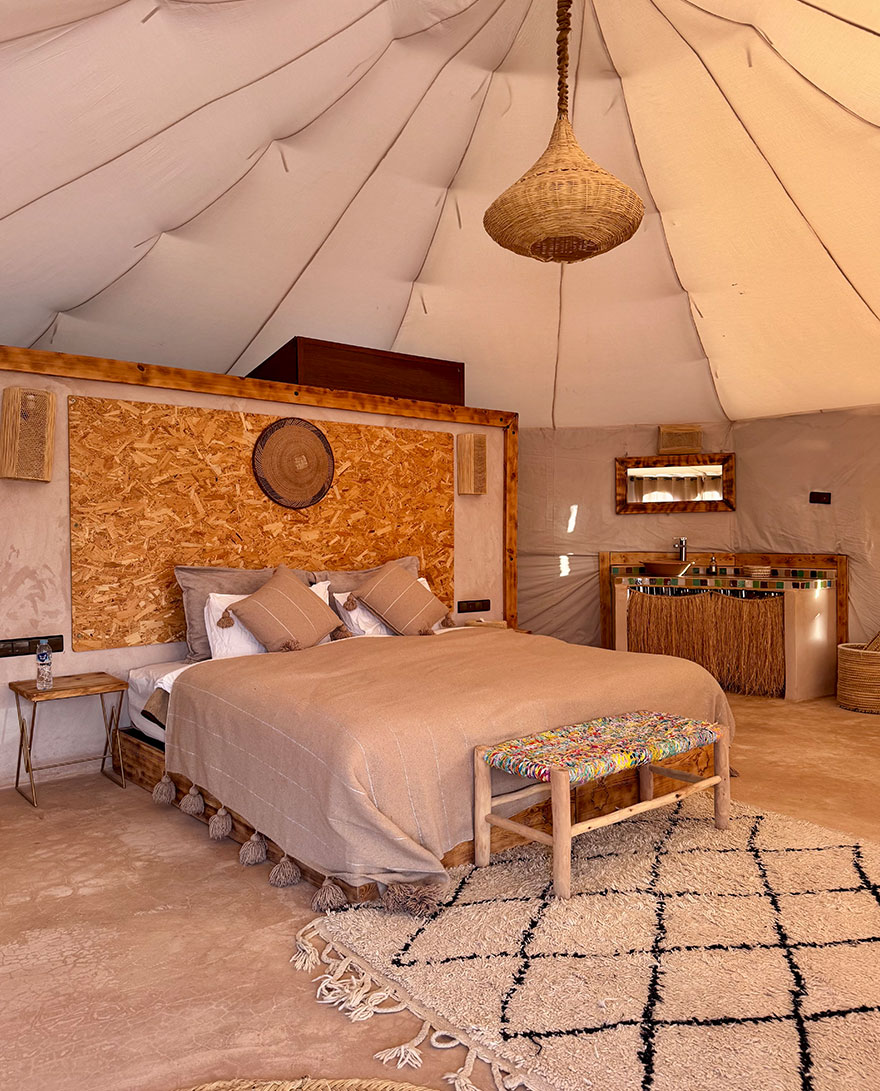
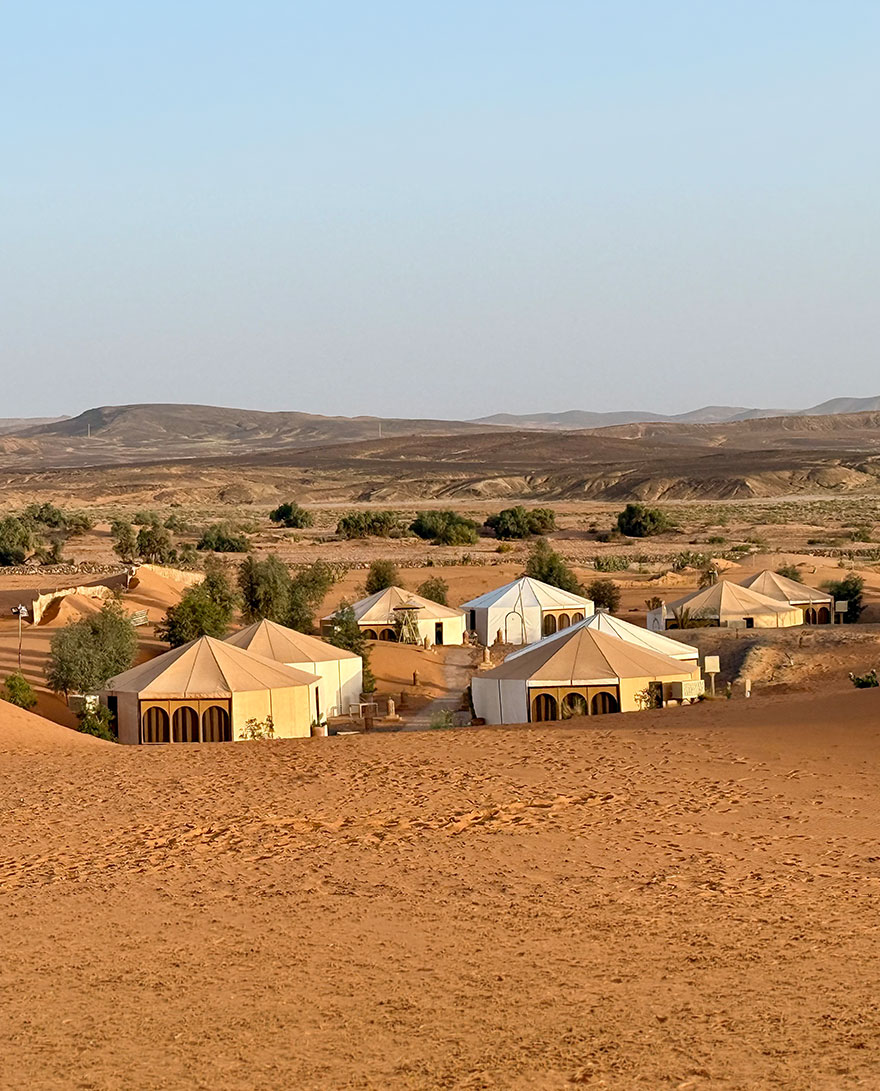
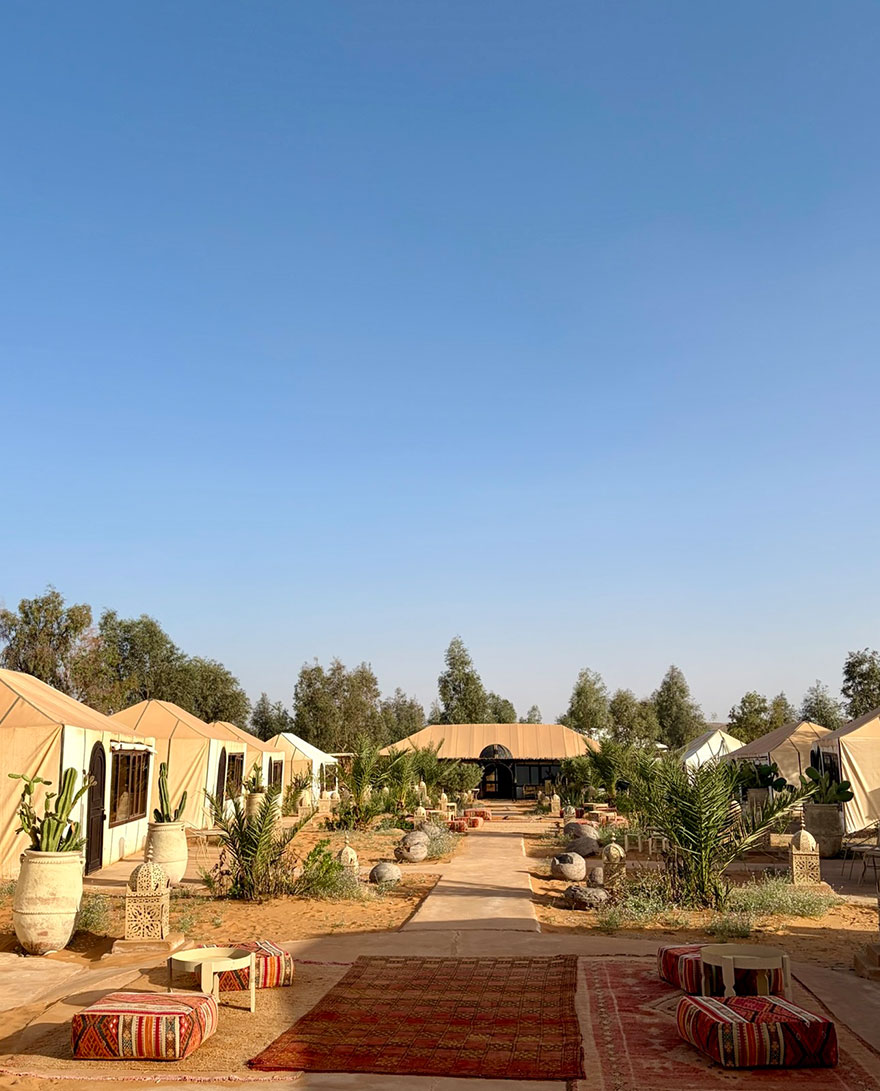
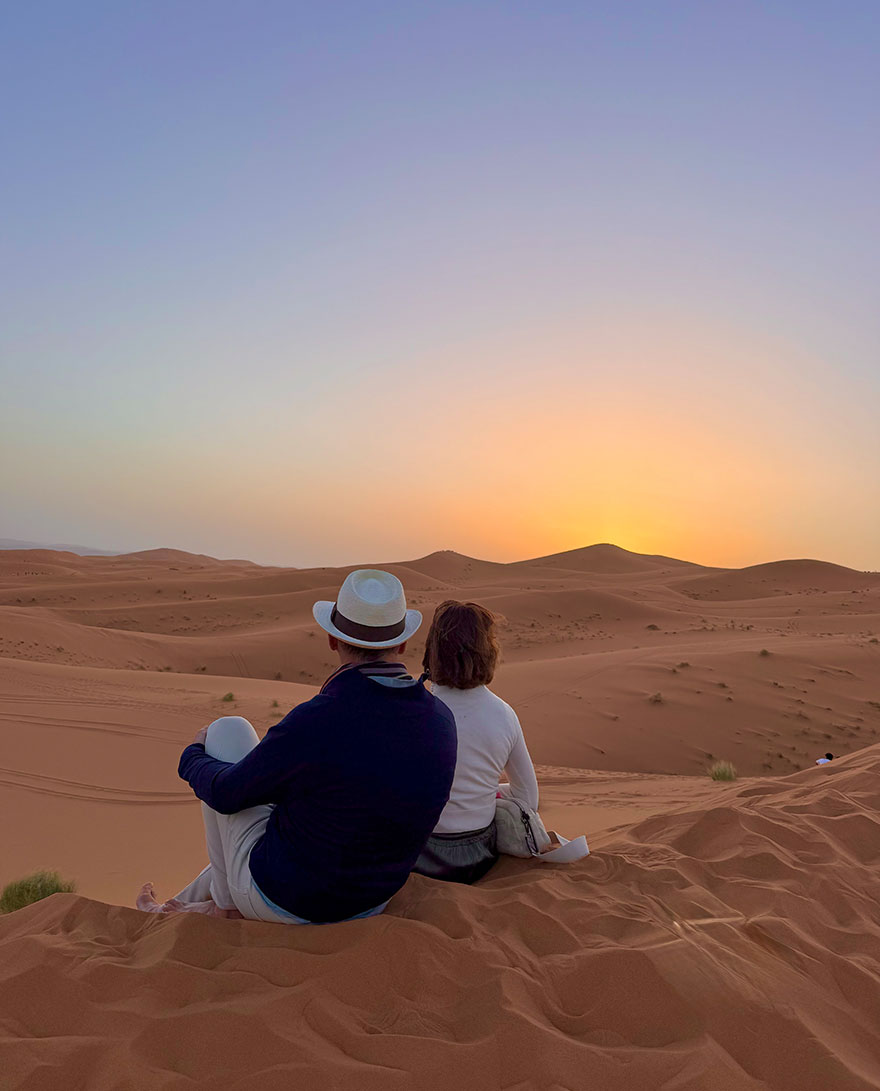
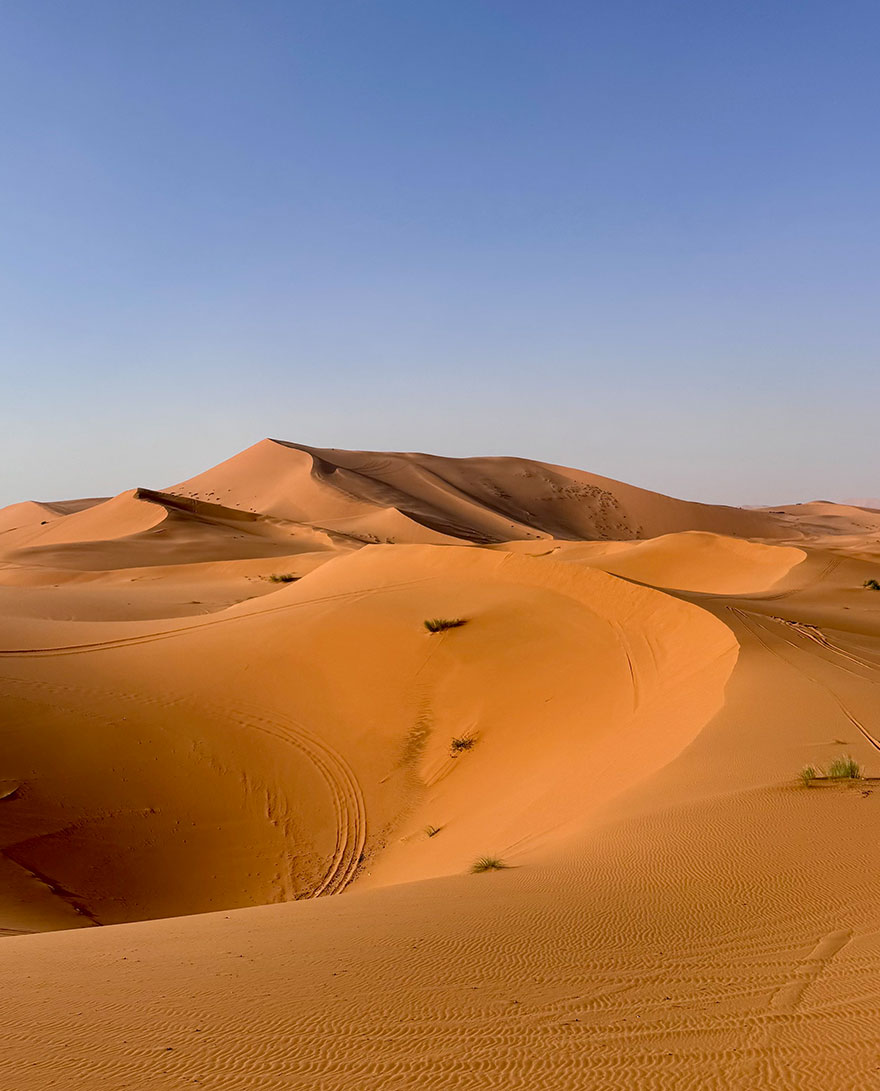
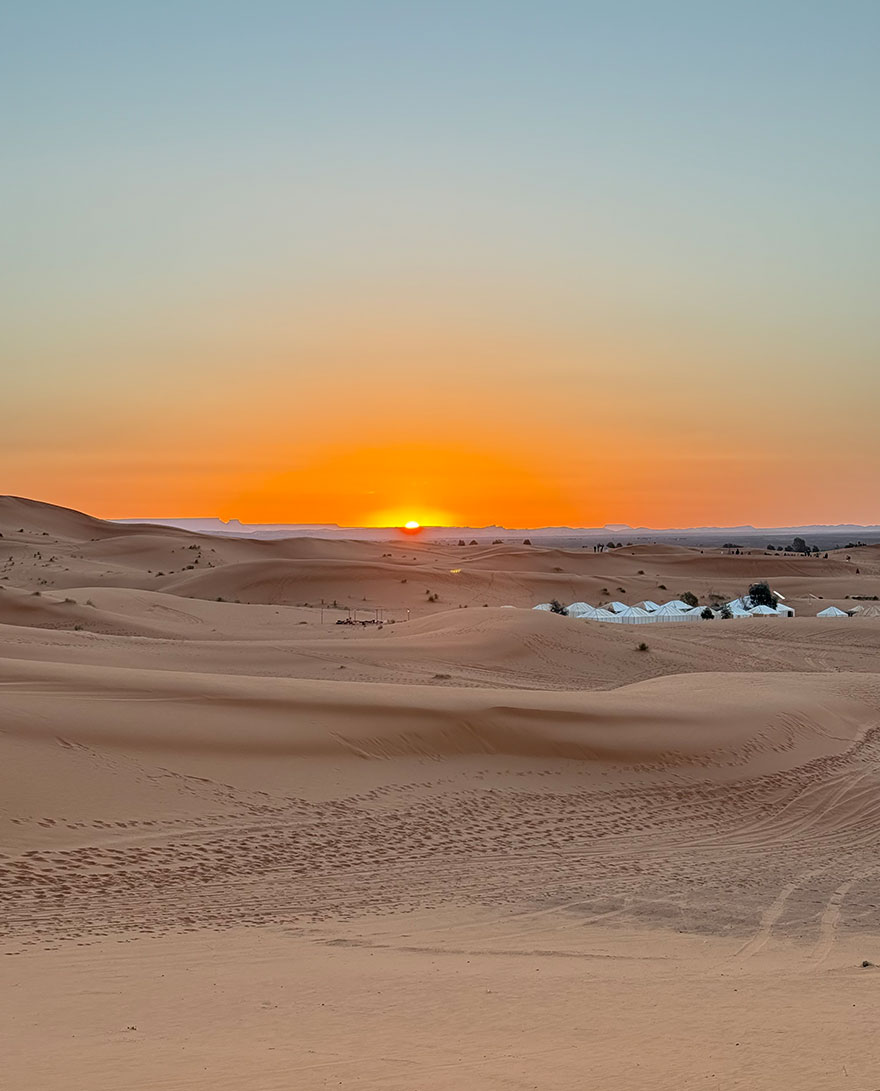
The dunes of the Sahara are only steps away. Sunset was a real highlight, with the colours shifting to pale gold and the shapes of the dunes seeming to change by the minute.
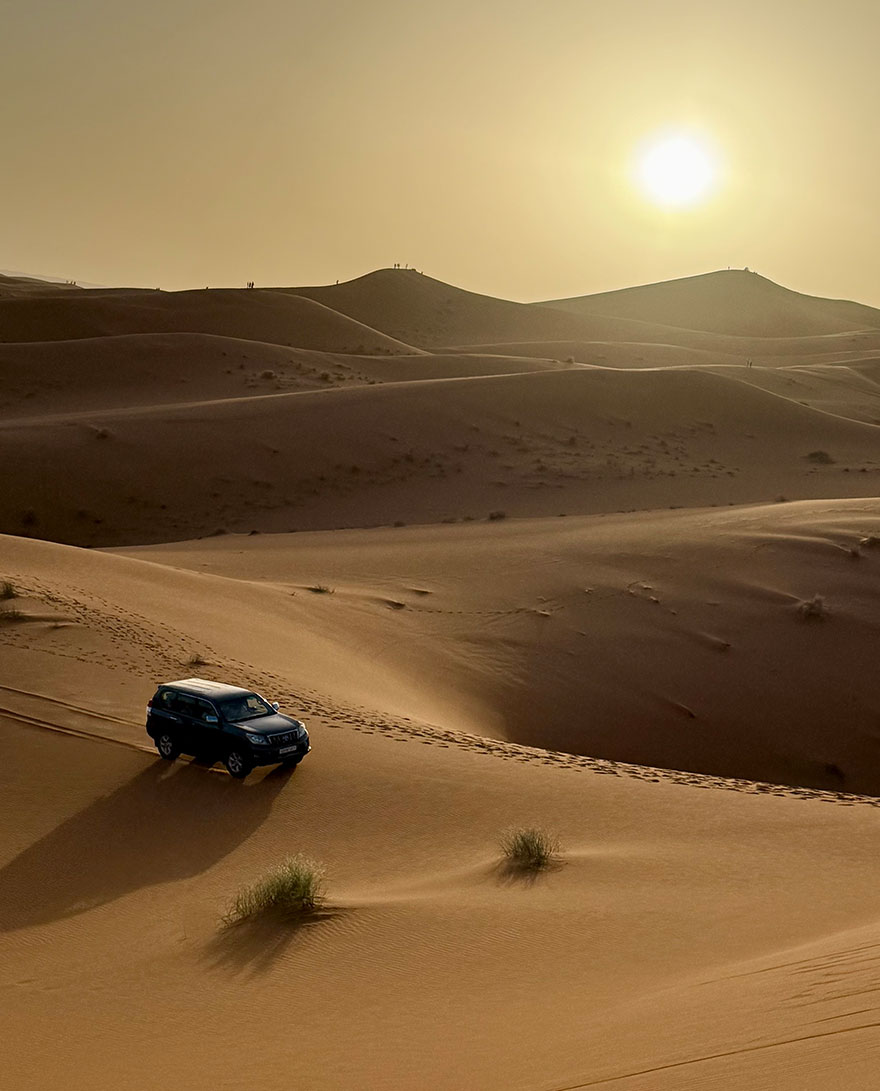

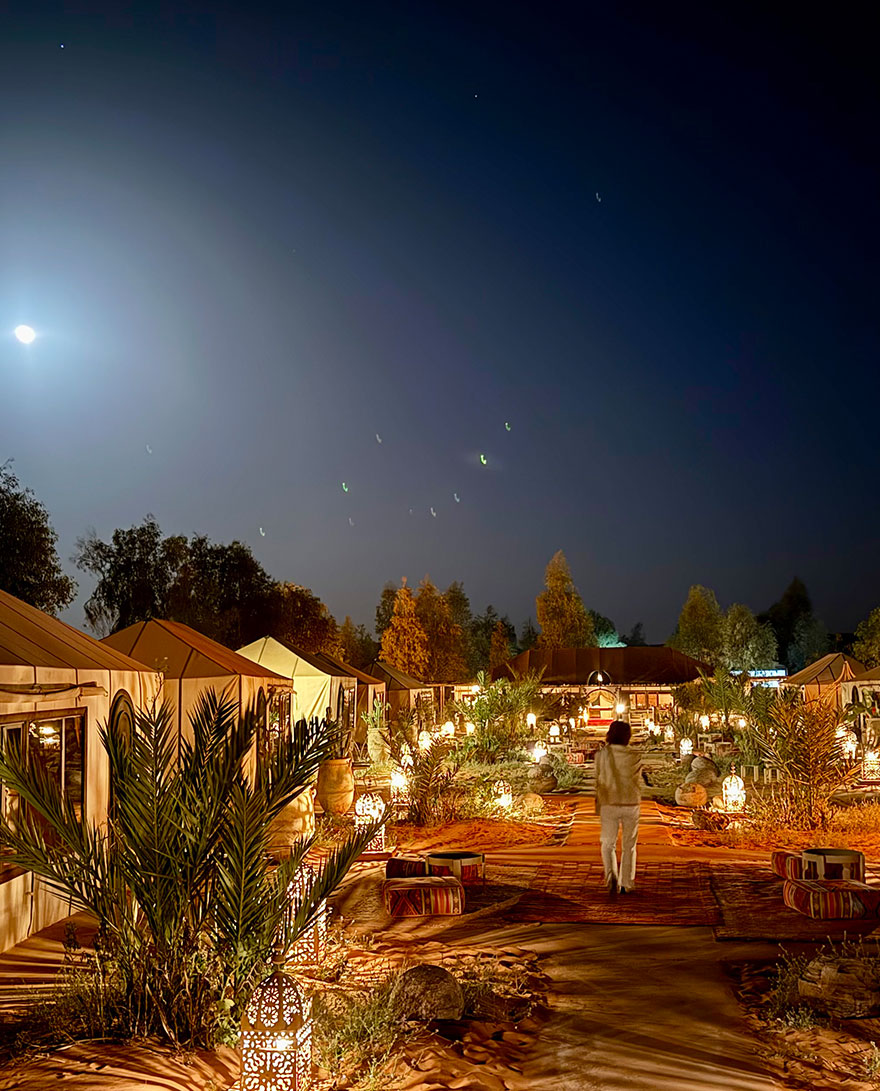
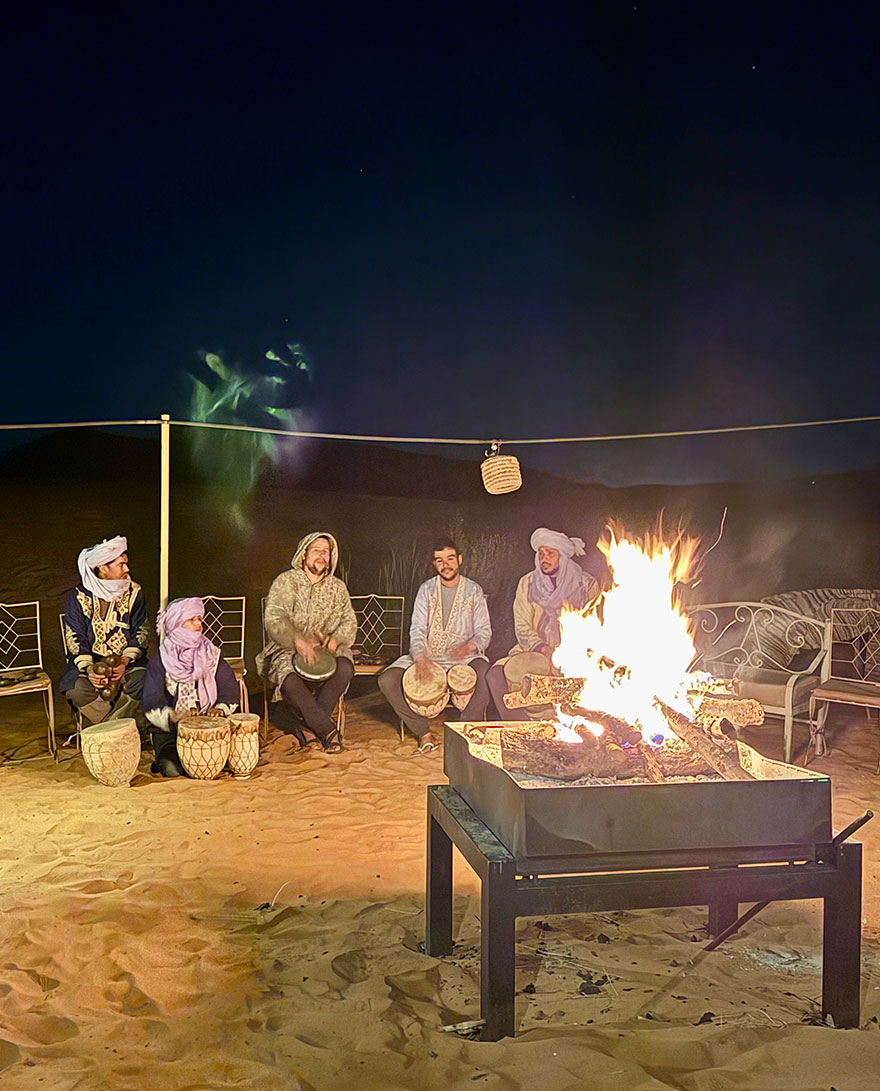
Dinner was generous Moroccan fare, served with warmth by the friendly camp team. There is no alcohol on site, so bring your own bottle if you want a drink with dinner! Afterwards, walking through the camp by candlelight to the campfire was a lovely moment. Everyone gathered for traditional music and dancing around the fire.
The next morning, getting up early to climb the dunes again for sunrise was absolutely worth it. The desert feels different first thing: quieter, cooler and just as beautiful.

Day 3: Erg Chebbi – Agdz – Ouarzazate
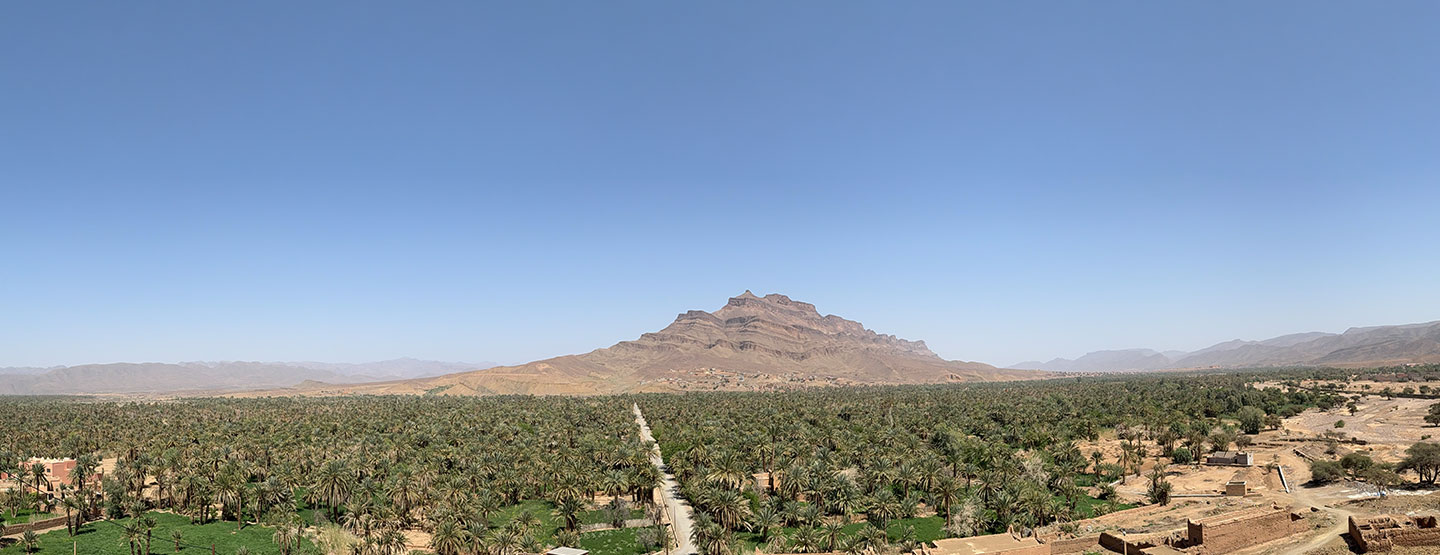
We left the desert and began the journey back, passing through Agdz, where vast palm groves stretch out along the valley, transforming the landscape into a ribbon of green before the road continued on through ever-changing scenery.
Stay: Kasbah Tamsna
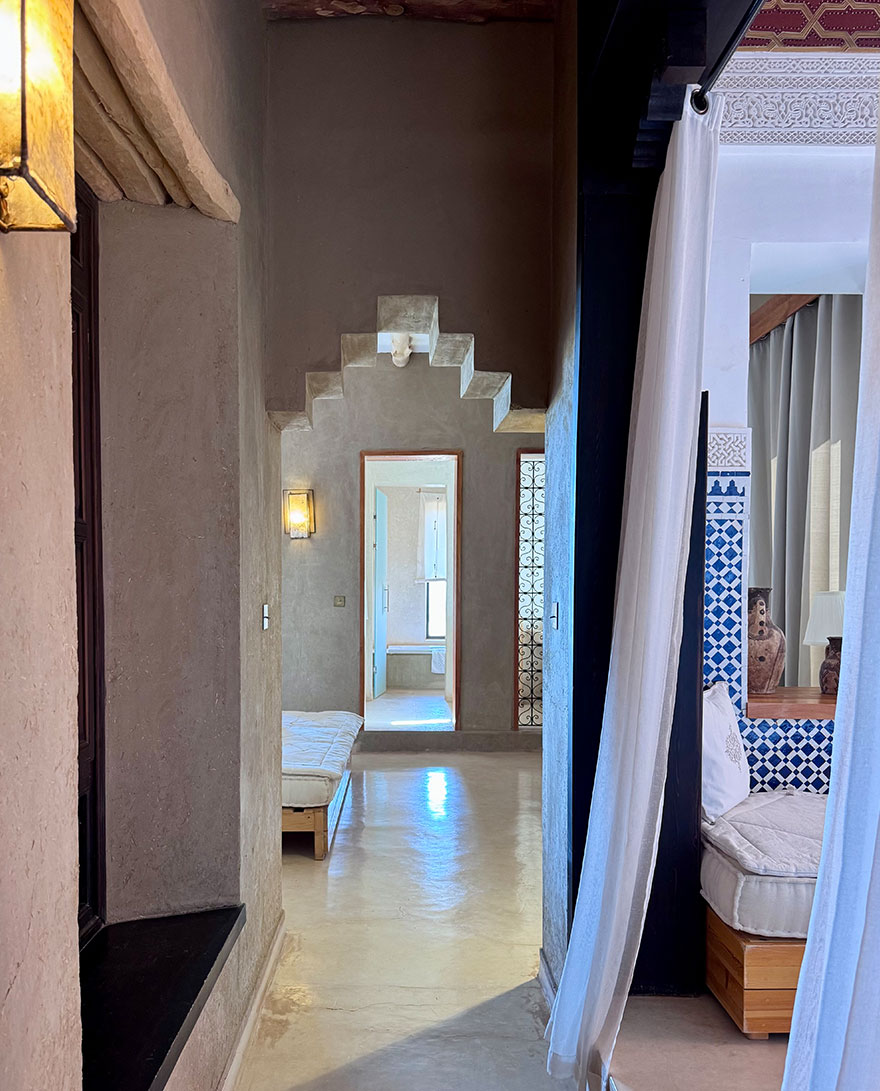
What makes Kasbah Tamsna stand out is the mix of influences. The architecture is unmistakably Moroccan, with all the warmth and texture that comes with that. But the interiors bring in a Japanese-inspired simplicity with a more pared-back design, giving a peaceful, uncluttered feel. There is a real sense of calm with clean lines, natural materials and subtle, stylish decoration
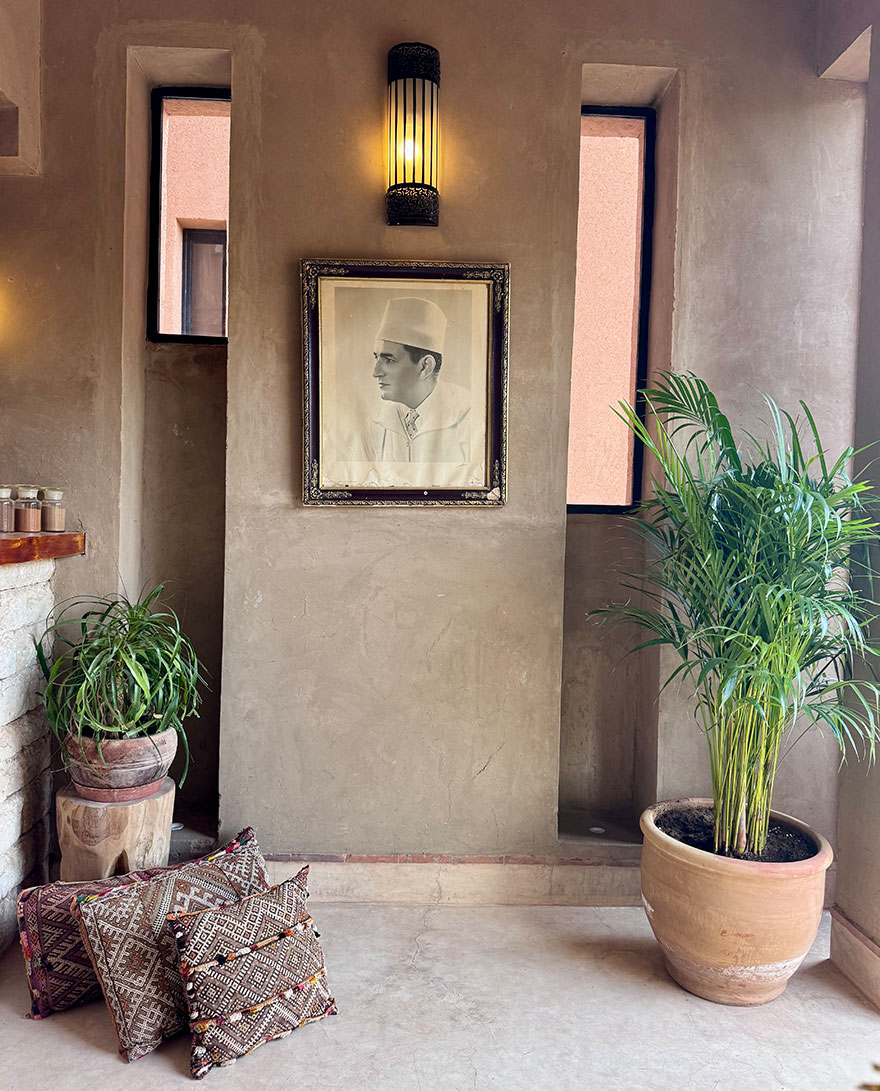
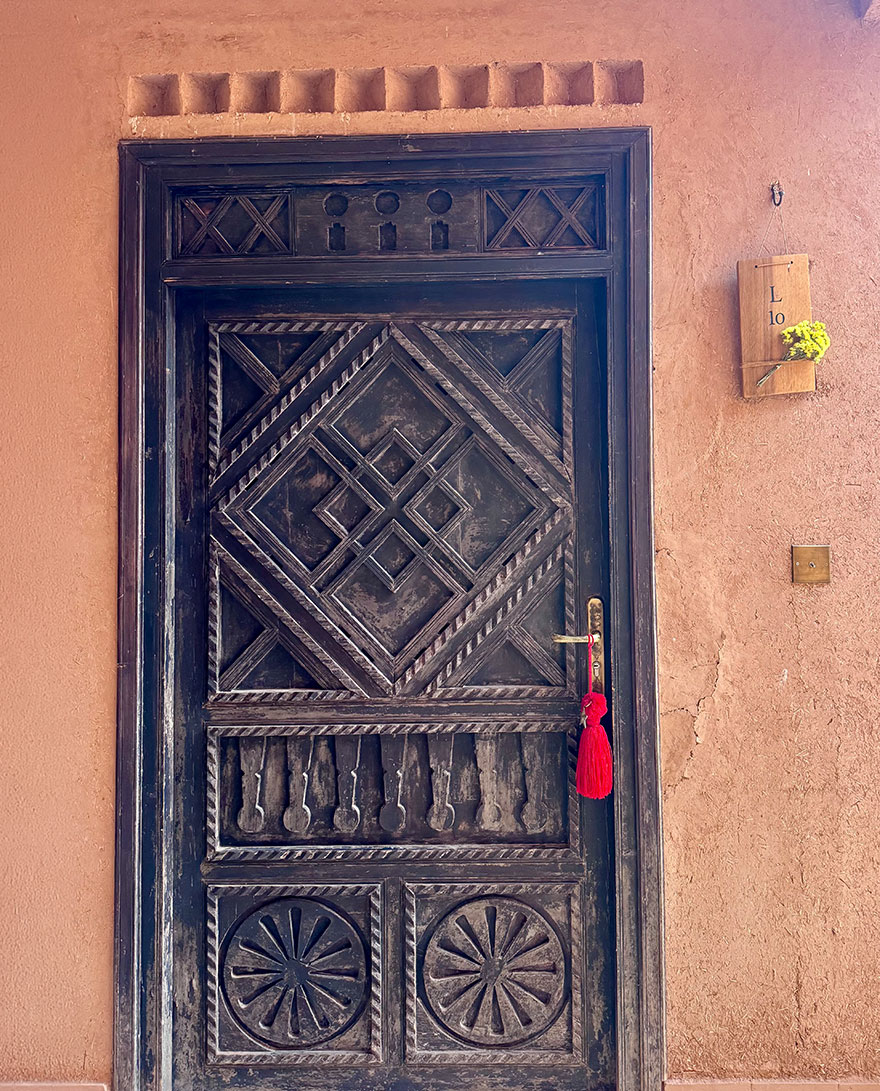
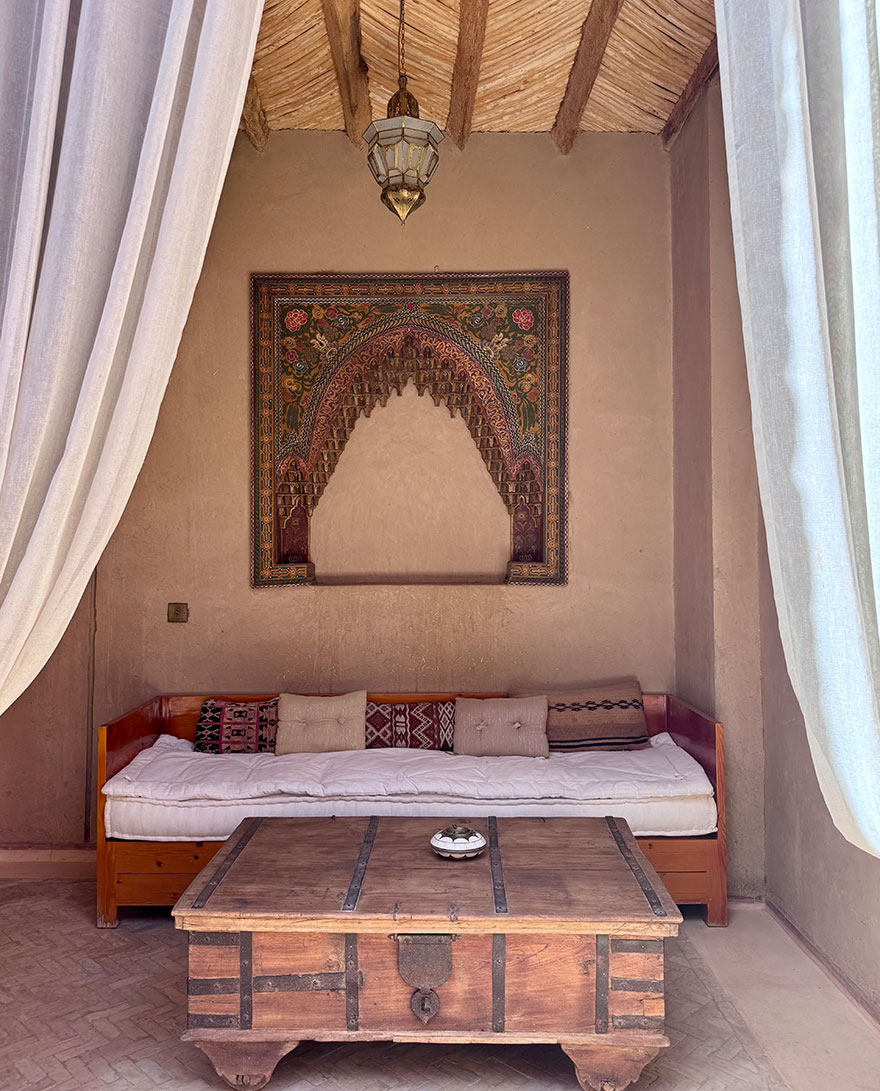
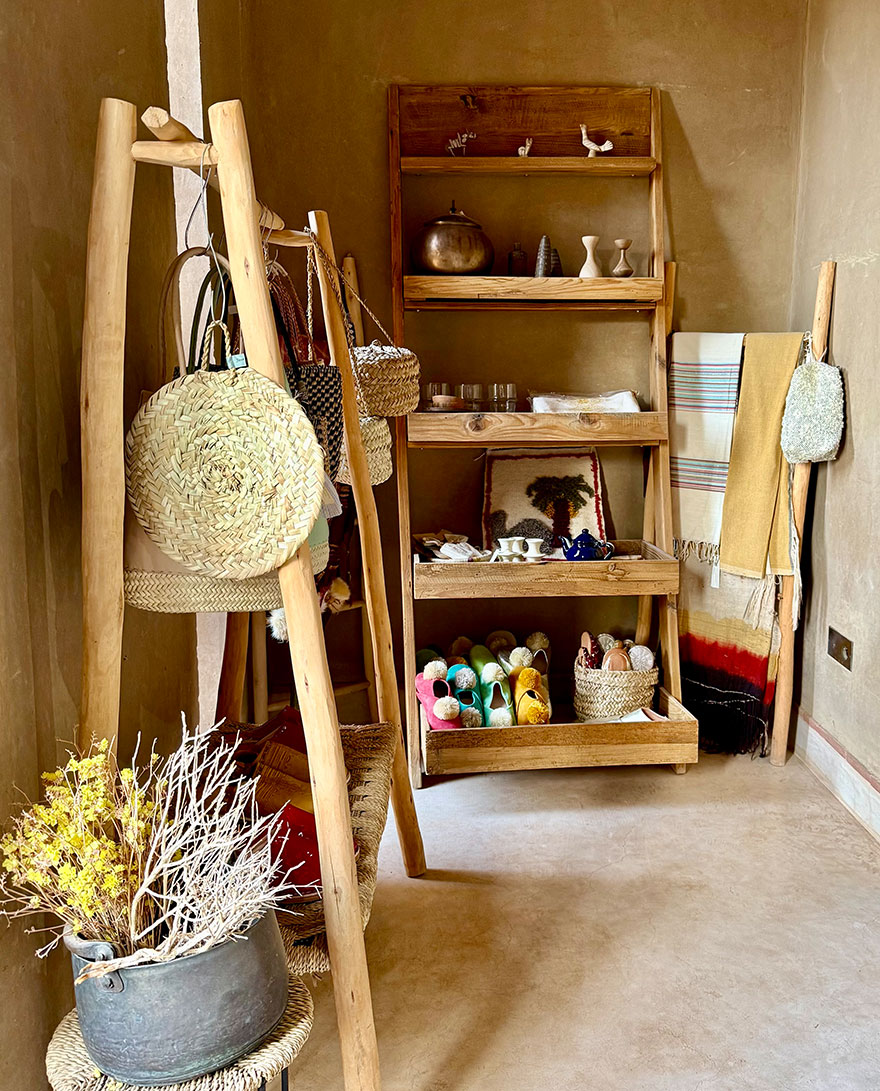
Suites are spacious, with big comfortable beds, well-appointed bathrooms and, in the superior rooms, terraces with views over the countryside.
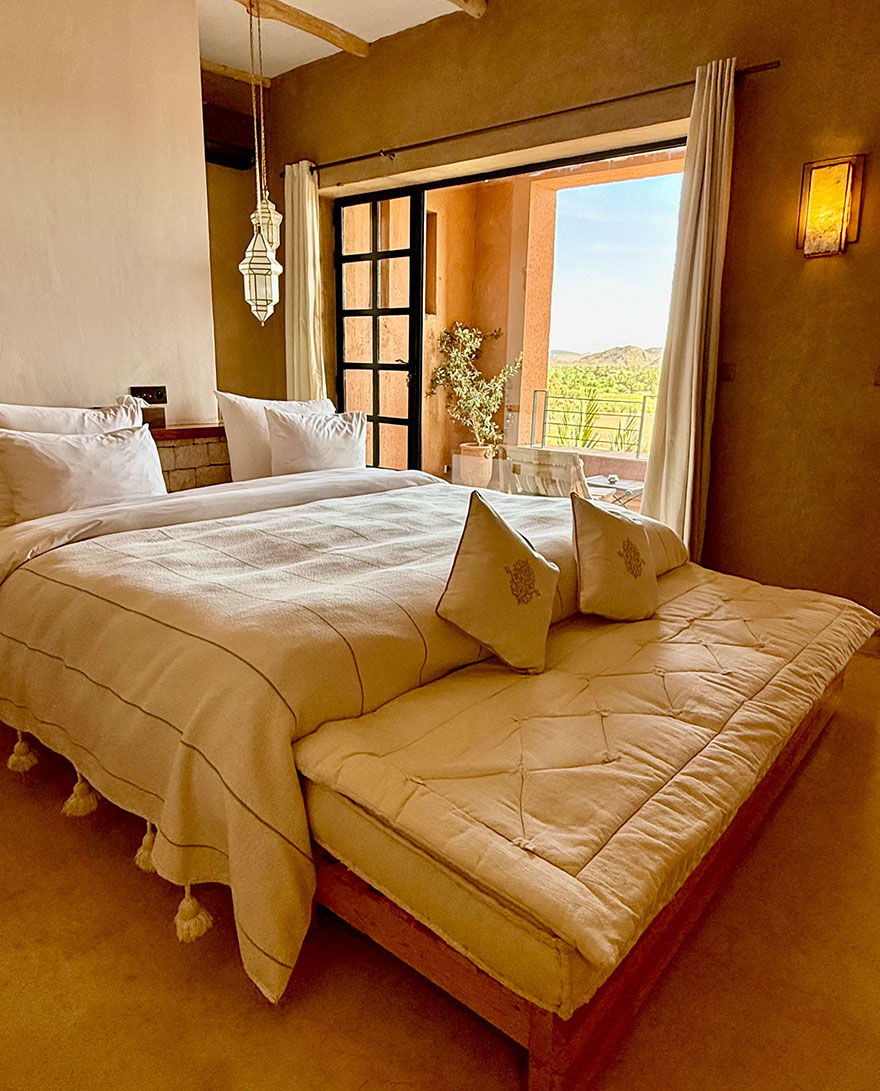
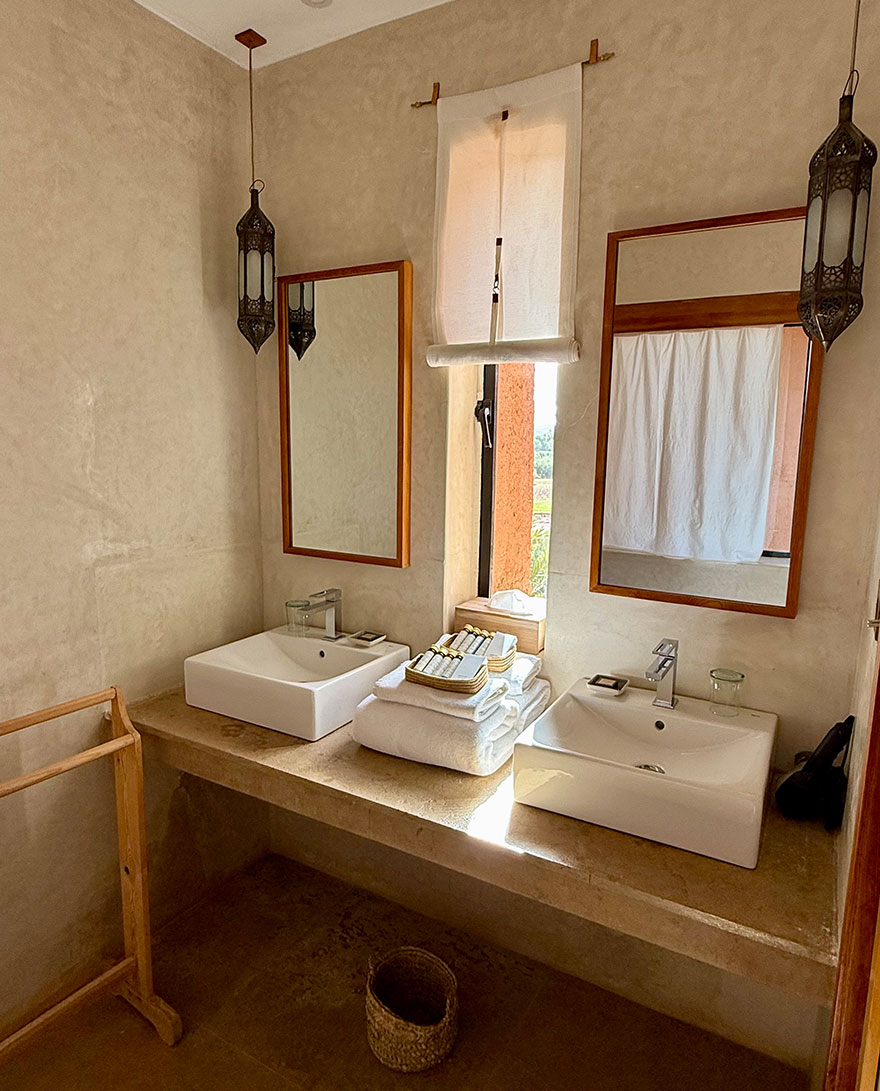
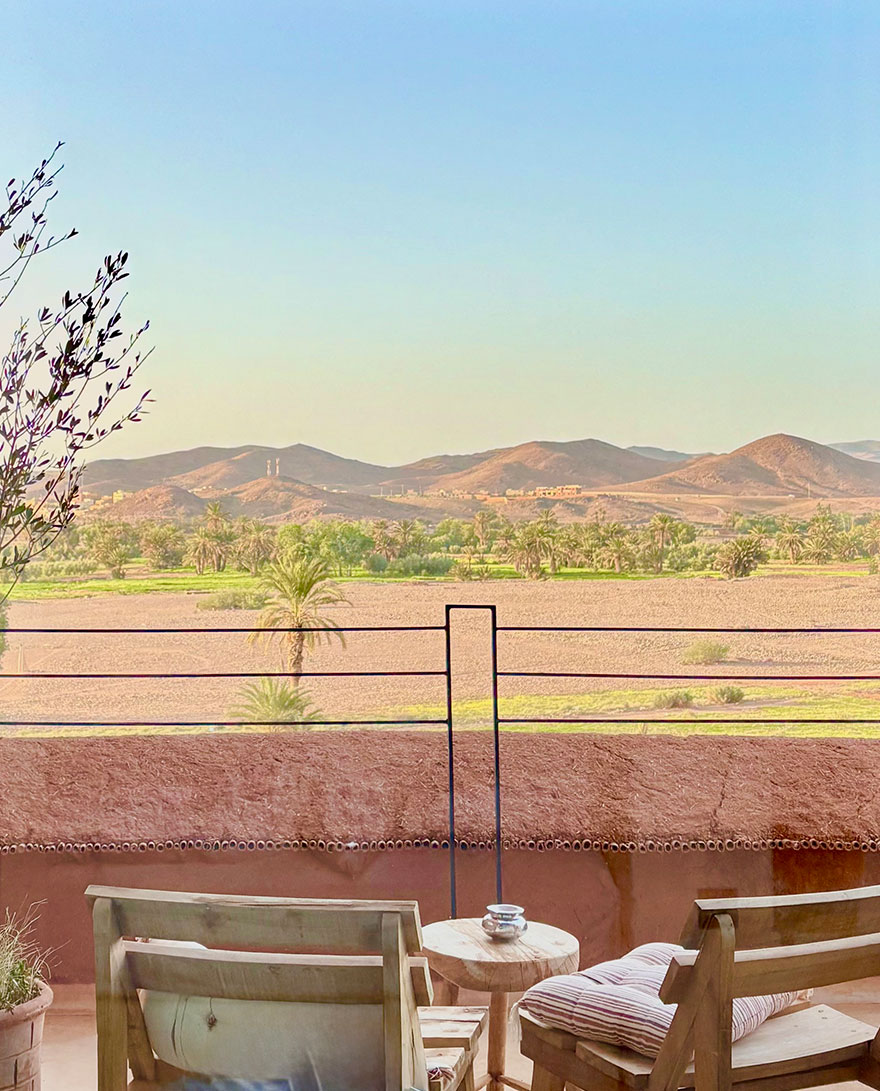
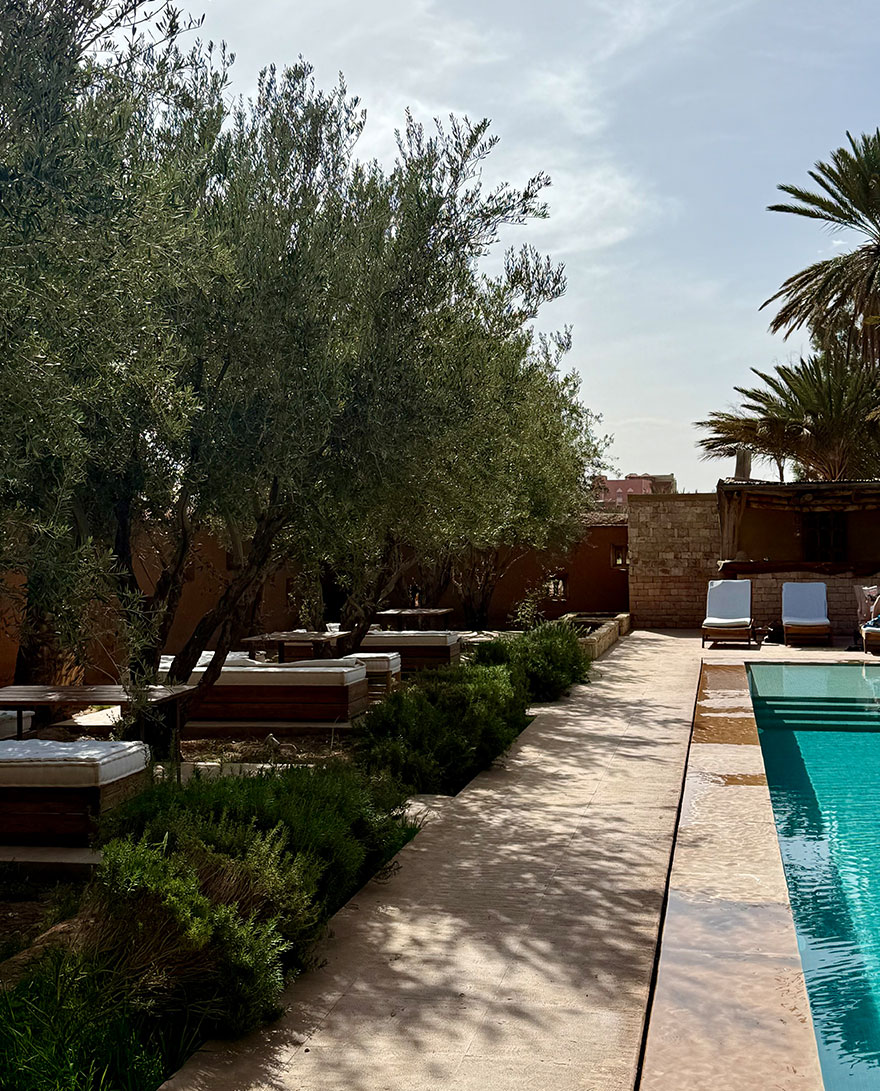
There is a spacious poolside area where we spent a whole afternoon chilling, with sunset cocktails brought to us on our sunbeds: heaven!
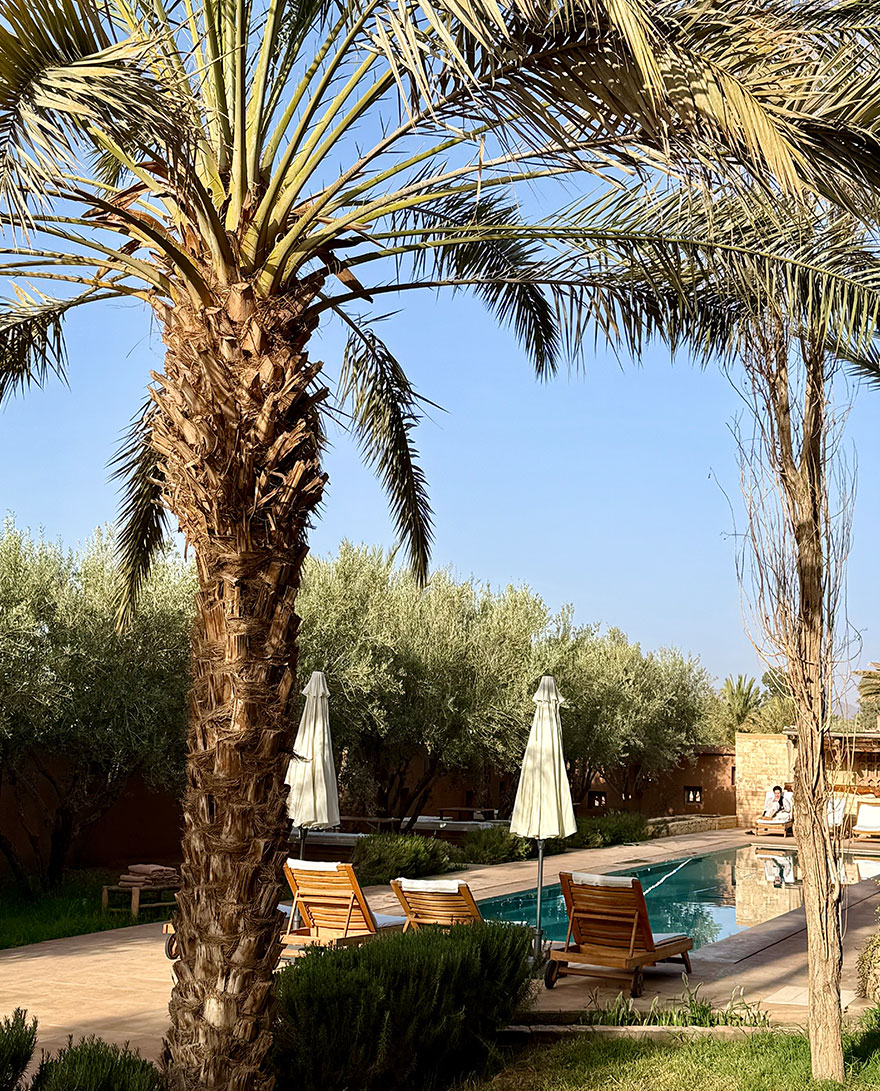
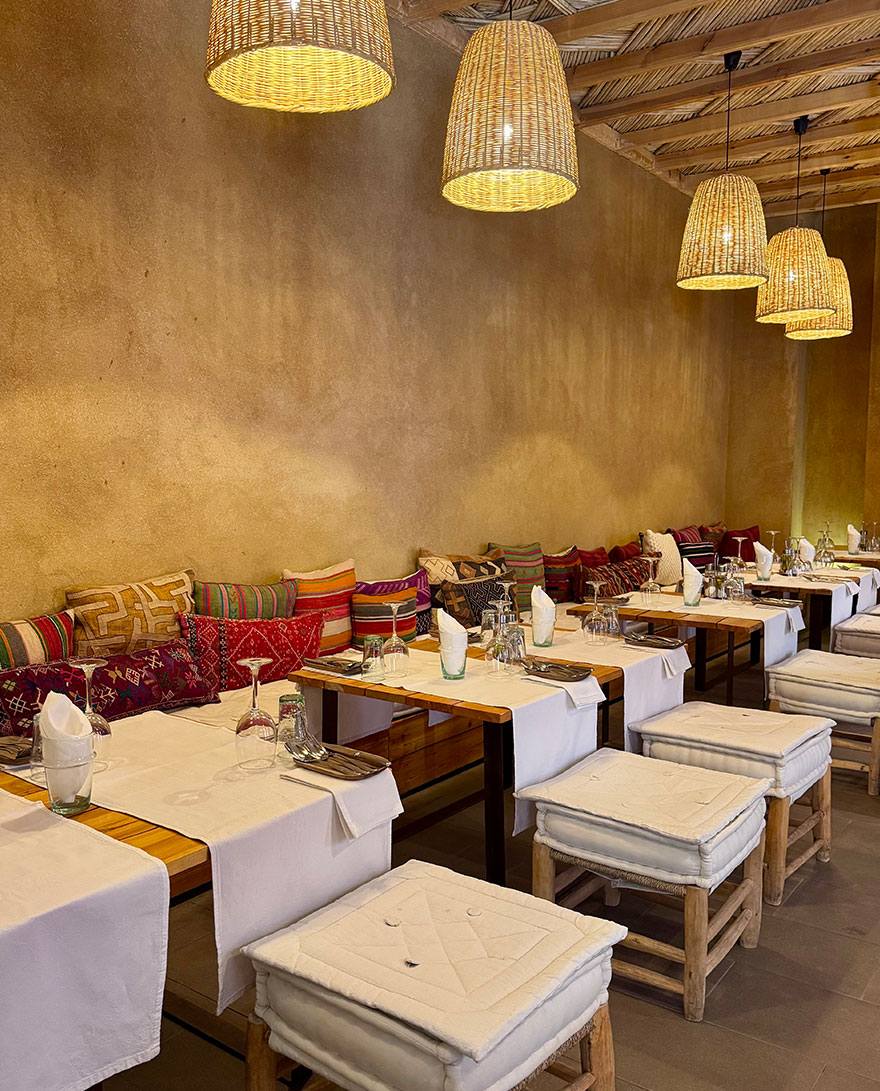
Breakfast and dinner in the intimate dining room features Moroccan cuisine with a contemporary twist and Japanese-style attention to detail.
Day 4: Ouarzazate – Marrakech
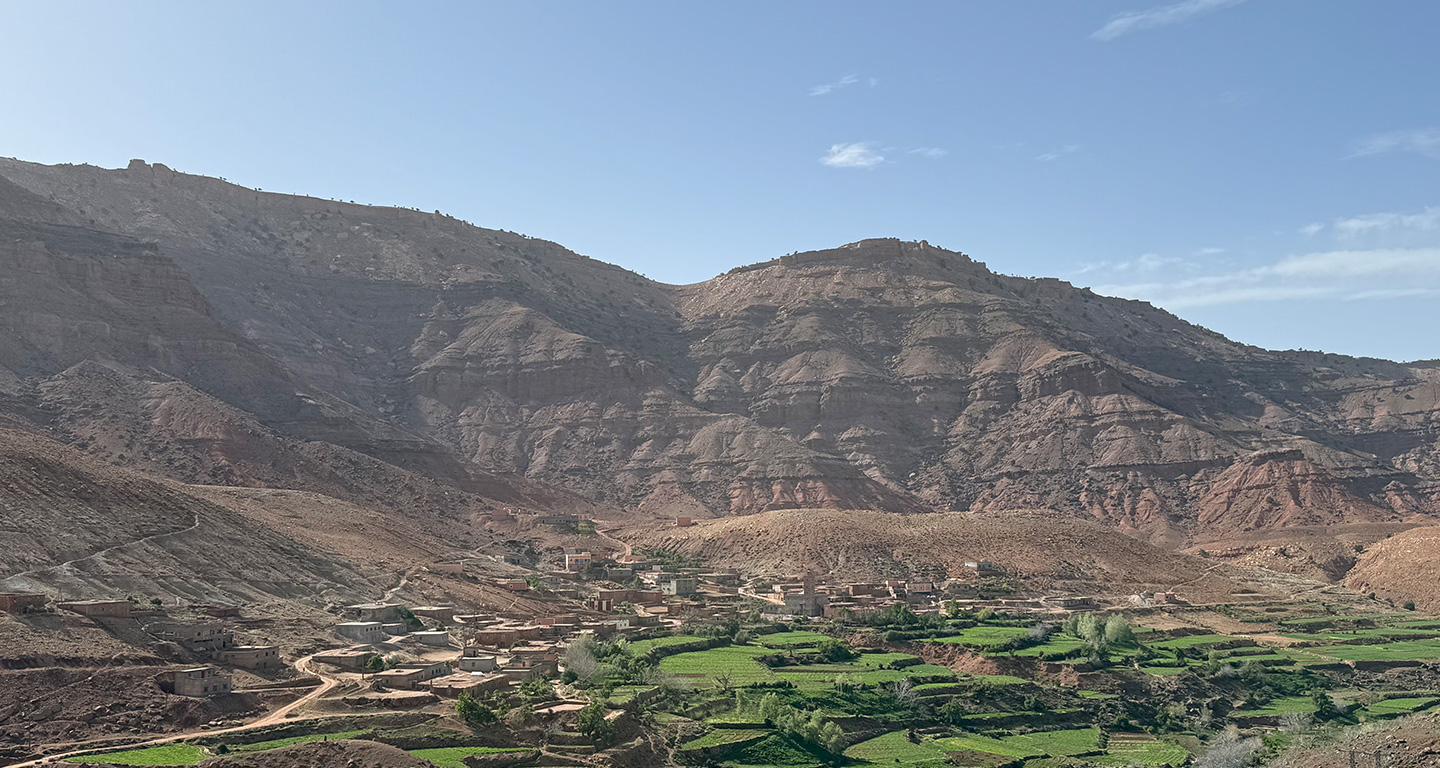
On the final day, we made our way back through the Atlas Mountains and returned to Marrakech.
Why visit Marrakech?
A trip to Marrakech is a real delight for the senses, which is within easy reach from London or other European cities. A long weekend can be packed full of multi-sensory experiences, with the organised mayhem of the Medina, the impressive cultural sights and countless places to dine and drink. If you have a few extra days, a road trip to the Sahara Desert adds a whole different dimension. You can enjoy scenic drives past kasbahs, countryside and canyons and stay right next to the dunes in a camp that can be as luxurious as you want!